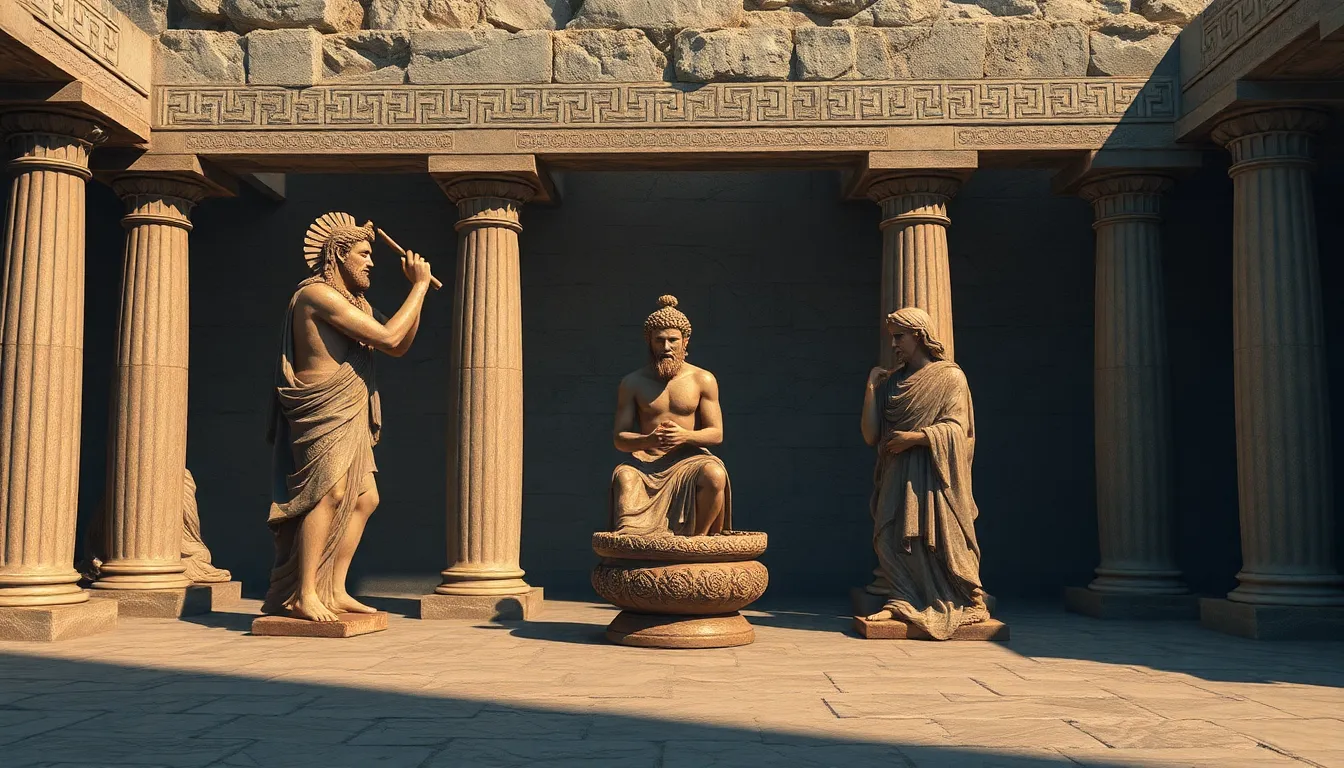
The Myths of Sacrifice: How Ancient Greeks Honored Their Ancestors
I. Introduction
The ancient Greeks had a complex relationship with the concept of sacrifice, which was deeply embedded in their cultural and religious practices. Sacrifice played a significant role in their society, serving as a means of honoring the gods and ancestors alike. This article will explore how the ancient Greeks used sacrifice as a way to honor their ancestors, examining various myths and rituals associated with these practices.
We will delve into the cultural importance of ancestors in Greek beliefs, the nature of sacrificial acts, and key mythological narratives that illustrate these themes. By understanding these elements, we can gain insights into the ways in which the ancient Greeks connected with their past and sought divine favor through their rituals.
II. The Role of Ancestors in Ancient Greek Beliefs
In ancient Greek society, ancestors were revered as vital components of family and community identity. The respect for one’s lineage was paramount, influencing social structures and personal relationships.
- Cultural Importance: Ancestors were seen as protectors and guides for the living. Their wisdom and experiences were thought to influence the fortunes of their descendants.
- Influence on Daily Life: Reverence for ancestors permeated daily life, manifesting in rituals, practices, and even names. Families would often honor their ancestors through various forms of commemoration.
- Connection to Divine Favor: The Greeks believed that honoring their ancestors could lead to favorable outcomes from the gods, forging a spiritual bond that transcended generations.
III. Understanding Sacrifice in Ancient Greek Religion
Sacrifice in ancient Greek religion was a multifaceted practice, encompassing a variety of forms and meanings. Understanding these intricacies is crucial to appreciating their significance.
- Definition and Types of Sacrifices: Sacrifices could be broadly categorized into:
- Animal Sacrifice: The most common form, involving the ritual killing of animals such as sheep, goats, and pigs.
- Libations: Pouring of liquid offerings (often wine or oil) as a tribute to the gods or ancestors.
- Offerings: Gifts of food, incense, or other valuables placed on altars.
- Symbolism Behind Sacrificial Acts: Each type of sacrifice held symbolic meaning, representing life, death, and the sustenance of the divine relationship.
- Connection Between the Living and the Dead: Sacrifices were viewed as a bridge between the world of the living and the realm of the dead, allowing communication and favor from ancestors.
IV. Mythological Narratives and Sacrificial Rituals
Many Greek myths encapsulate the theme of sacrifice, illustrating its significance in both personal and societal contexts. These stories often reflect the values and beliefs of ancient Greeks.
- Agamemnon and Iphigenia: One of the most poignant tales involves Agamemnon, who sacrificed his daughter Iphigenia to appease the goddess Artemis before the Trojan War. This myth underscores the conflict between duty to family and the demands of the divine.
- Prometheus: The titan Prometheus, who stole fire from the gods, was punished by Zeus through a horrific sacrifice, representing the consequences of defiance against divine order.
- Societal Reflections: These narratives often reveal societal values, such as the importance of honor, loyalty, and the tragic consequences of hubris.
In these myths, the interplay between ritual and narrative serves to reinforce the communal understanding of sacrifice as a means of securing favor from both the gods and one’s ancestors.
V. The Rituals of Ancestor Worship
Ancestor worship was a foundational aspect of Greek religious life, involving various rituals designed to honor deceased family members and ensure their continued protection over the living.
- Description of Specific Rituals: Common practices included:
- Annual commemorations during specific festivals.
- Offering food and drink at gravesites.
- Lighting candles or incense as a sign of respect and remembrance.
- Importance of Festivals: Festivals like the Anthesteria celebrated the dead and allowed families to connect with their ancestors through communal gatherings.
- Role of Priests and Families: Priests often led the rituals, but family members were deeply involved, emphasizing the personal connection to their ancestors.
VI. Misconceptions About Sacrifice in Ancient Greece
Modern interpretations of ancient Greek sacrifices often fall prey to misconceptions. It is essential to clarify these misunderstandings to appreciate the true nature of these practices.
- Common Myths: Many people believe that sacrifices were solely brutal acts of violence. While animal sacrifices were indeed part of the ritual, they were conducted with reverence and purpose.
- Pagan Sacrifices vs. Modern Interpretations: The term “pagan” often carries negative connotations today, but for the Greeks, sacrifices were integral to their spiritual life and community cohesion.
- Intentions Behind Rituals: Sacrifices were not about appeasing angry gods but rather about fostering relationships, seeking blessings, and maintaining harmony with the divine and ancestral spirits.
VII. The Legacy of Ancestor Worship in Modern Culture
The practices and beliefs surrounding ancestor worship in ancient Greece have left a lasting legacy that continues to influence modern culture.
- Contemporary Views on Ancestry: The value placed on family heritage and lineage today can be traced back to ancient practices that emphasized the importance of honoring one’s ancestors.
- Impact on Modern Western Culture: Many elements of Greek mythology and rituals have permeated literature, art, and philosophy, shaping Western thought and cultural narratives.
- Modern Interpretations: Contemporary spiritual practices often draw upon ancient ideas, adapting them into new forms of ancestor reverence and ritual.
VIII. Conclusion
In conclusion, the significance of sacrifice in ancient Greek culture serves as a powerful reminder of the ways in which humans honor their ancestors. Through myths and rituals, the Greeks established a profound connection to their lineage, seeking divine favor and guidance.
As we reflect on the myths and truths surrounding these practices, we can appreciate the depth of ancient Greek traditions and their relevance in understanding human connection to ancestry. The stories of sacrifice, honor, and reverence continue to resonate, reminding us of the importance of remembering and honoring those who have come before us.