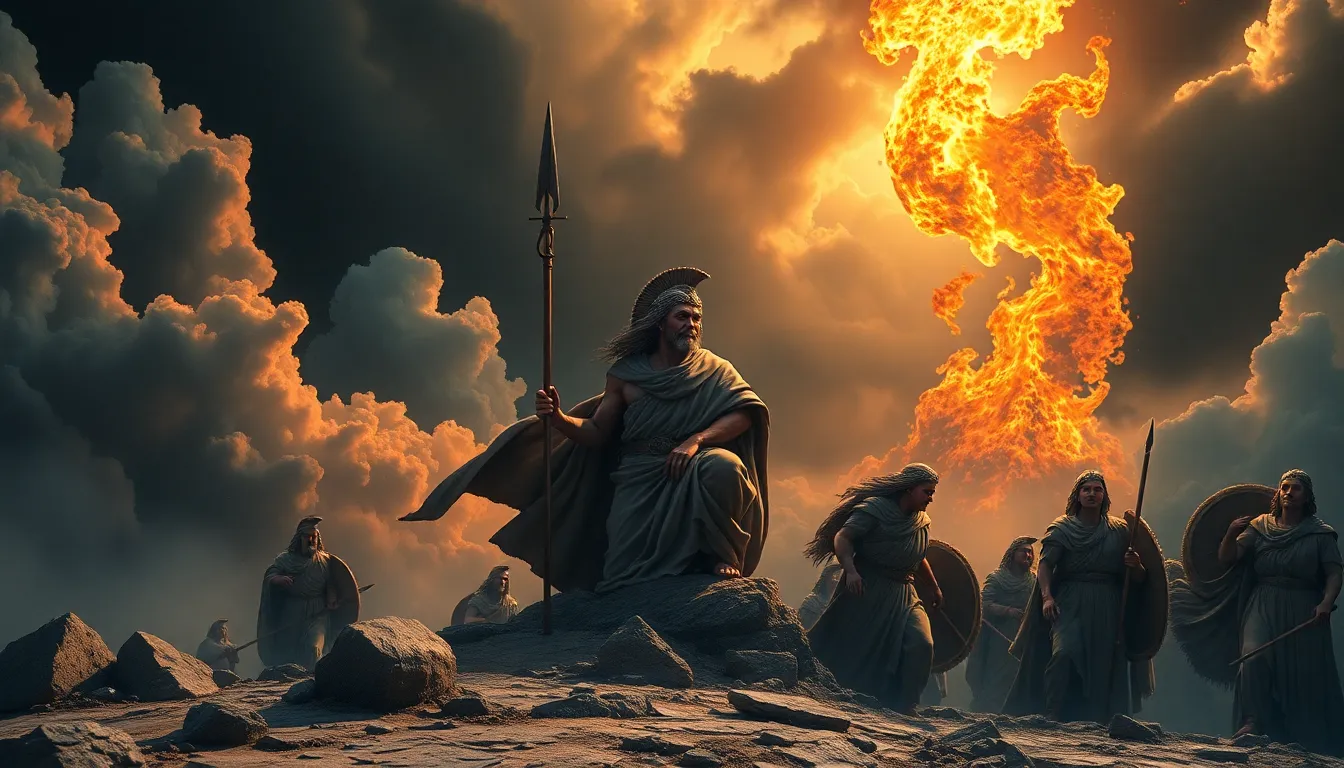
The Myths of Sacrifice: How Heroes Faced Their Fates
I. Introduction
In the rich tapestry of Greek mythology, sacrifice holds a pivotal role in the narratives of heroes. Sacrifice, in this context, can be defined as the act of giving up something valuable for the sake of a greater cause or for the benefit of others. The heroes of these myths often face dire choices that lead them to make profound sacrifices, shaping their destinies and those of their communities.
This article will explore how the intersection of sacrifice and heroism in mythology reveals deeper truths about human nature. By examining the sacrifices made by legendary figures, we will uncover the complexities of heroism that resonate through time and culture.
Thesis statement: Exploring the myths surrounding sacrifice reveals deeper truths about heroism and human nature.
II. The Concept of Sacrifice in Mythology
The historical context of sacrifice in various cultures demonstrates its significance across civilizations. In ancient Greece, sacrifices were often ritualistic, involving offerings to gods to seek favor or appease divine wrath. This practice reflects a broader understanding of the human condition, where individuals often find themselves in situations that demand personal or communal sacrifice.
There are several types of sacrifices represented in mythology:
- Personal Sacrifice: This involves an individual giving up their own desires, safety, or life for others. Examples include heroes who face mortality for the greater good.
- Communal Sacrifice: This type of sacrifice is made for the welfare of a community or society, often seen in collective rituals or battles.
- Divine Sacrifice: The offering of something of value to the gods, which often serves to illustrate the relationship between mortals and the divine.
The symbolic significance of sacrifice in hero narratives cannot be understated. It often represents the hero’s journey toward self-discovery and the acceptance of their fate, embodying the struggle between personal desires and the needs of others.
III. Archetypal Heroes and Their Sacrificial Journeys
Classic heroes in Greek mythology, such as Achilles and Odysseus, epitomize the sacrificial journey. Achilles, for instance, chose glory over a long life, leading to his ultimate demise on the battlefield. His story illustrates the tragic nature of heroism, where the pursuit of honor necessitates profound personal sacrifice.
Odysseus, on the other hand, faced numerous trials that required him to make sacrifices, not only for his own survival but also for the safety of his crew. His journey home was fraught with challenges that tested his resolve and forced him to weigh his choices carefully.
Modern interpretations of heroism have expanded to include figures such as superheroes in contemporary media. These characters often grapple with the moral implications of their sacrifices, reflecting society’s evolving understanding of what it means to be a hero.
The evolution of the hero archetype through the lens of sacrifice highlights the changing values of society. As we progress through time, the narratives of heroism increasingly embrace complexity, vulnerability, and the significance of personal sacrifice.

IV. The Psychological Impact of Sacrifice
The burden of sacrifice weighs heavily on heroes, often leading to feelings of guilt, trauma, and the quest for redemption. The psychological impact of sacrifice can manifest in various ways, affecting heroes’ mental states and their relationships with others.
For example, Achilles’ choice to withdraw from battle due to personal conflict highlights a psychological dilemma: the struggle between pride and responsibility. This internal conflict reflects a broader truth about the human experience—sacrifice often comes with emotional repercussions that can haunt individuals long after their choices are made.
Moreover, the role of sacrifice in personal growth and transformation cannot be overlooked. Many heroes emerge from their trials with newfound wisdom and understanding, illustrating how the act of sacrificing can lead to profound personal development.
Case studies of heroes who faced psychological dilemmas regarding sacrifice include:
- Hercules: His twelve labors were not just physical challenges but also psychological tests that forced him to confront his own limitations and guilt.
- Theseus: His journey to confront the Minotaur involved personal sacrifice, as he risked his life to save others, grappling with the weight of leadership.
V. Myths vs. Reality: The True Cost of Sacrifice
Common myths about heroism and sacrifice often glamorize the notion of selflessness. However, this glorification can obscure the complex realities faced by heroes. Many narratives depict sacrifice as a noble and straightforward choice, but the truth is often far more complicated.
The consequences of glorifying sacrifice in heroic narratives can lead to unrealistic expectations in real life. Individuals may feel pressured to emulate these ideals, overlooking their own needs and well-being in the process.
Understanding the real-life implications of sacrifice is crucial. It invites a deeper examination of the human experience, revealing that sacrifice is not only about loss but also about the potential for growth, healing, and connection.
VI. Cultural Representations of Sacrifice in Media
The portrayal of heroic sacrifice in literature, film, and art offers insight into societal views of heroism. From ancient texts to modern blockbusters, the theme of sacrifice resonates across cultures and time periods.
In literature, works like Homer’s “Iliad” and “Odyssey” lay the groundwork for understanding heroism through sacrifice. Modern films, such as “Braveheart” and “The Dark Knight,” continue this tradition, showcasing protagonists who grapple with the weight of their choices.
The impact of storytelling on societal views of sacrifice and heroism shapes how we perceive ourselves and our responsibilities. Narratives serve as mirrors reflecting our values and aspirations, often reinforcing the notion that true heroism requires sacrifice.
Furthermore, a comparison of cultural narratives surrounding sacrifice across different media reveals a rich tapestry of interpretations. While some cultures celebrate sacrifice as an honorable act, others may critique the expectations placed on individuals to sacrifice for the greater good, highlighting the complexities of heroism.
VII. Lessons Learned from the Myths of Sacrifice
The moral and ethical implications of sacrifice in heroism are profound. As we reflect on these myths, it becomes clear that the narratives of sacrifice offer valuable lessons about the nature of heroism and the human experience.
Modern society can benefit from understanding these myths by fostering a nuanced view of heroism that embraces vulnerability and humanity. Recognizing that heroes are often flawed individuals who make difficult choices allows us to appreciate the complexities of their journeys.
Encouraging discussions around sacrifice can lead to a deeper understanding of our own lives and the sacrifices we make for others. It invites us to consider how we can support one another in our struggles and celebrate the humanity behind acts of heroism.
VIII. Conclusion
In summary, the myths surrounding sacrifice in hero mythology reveal complex truths about heroism and human nature. From the historical context of sacrifice to the psychological burdens faced by heroes, these narratives invite reflection on the values we hold dear.
The enduring nature of sacrifice in hero mythology speaks to our collective desire to understand the human condition. As we re-evaluate our perceptions of heroes and their sacrifices, we can foster a greater appreciation for the vulnerability and strength inherent in these stories.
In conclusion, let us embrace the lessons learned from these myths and strive to cultivate a more compassionate and nuanced view of heroism in contemporary narratives.