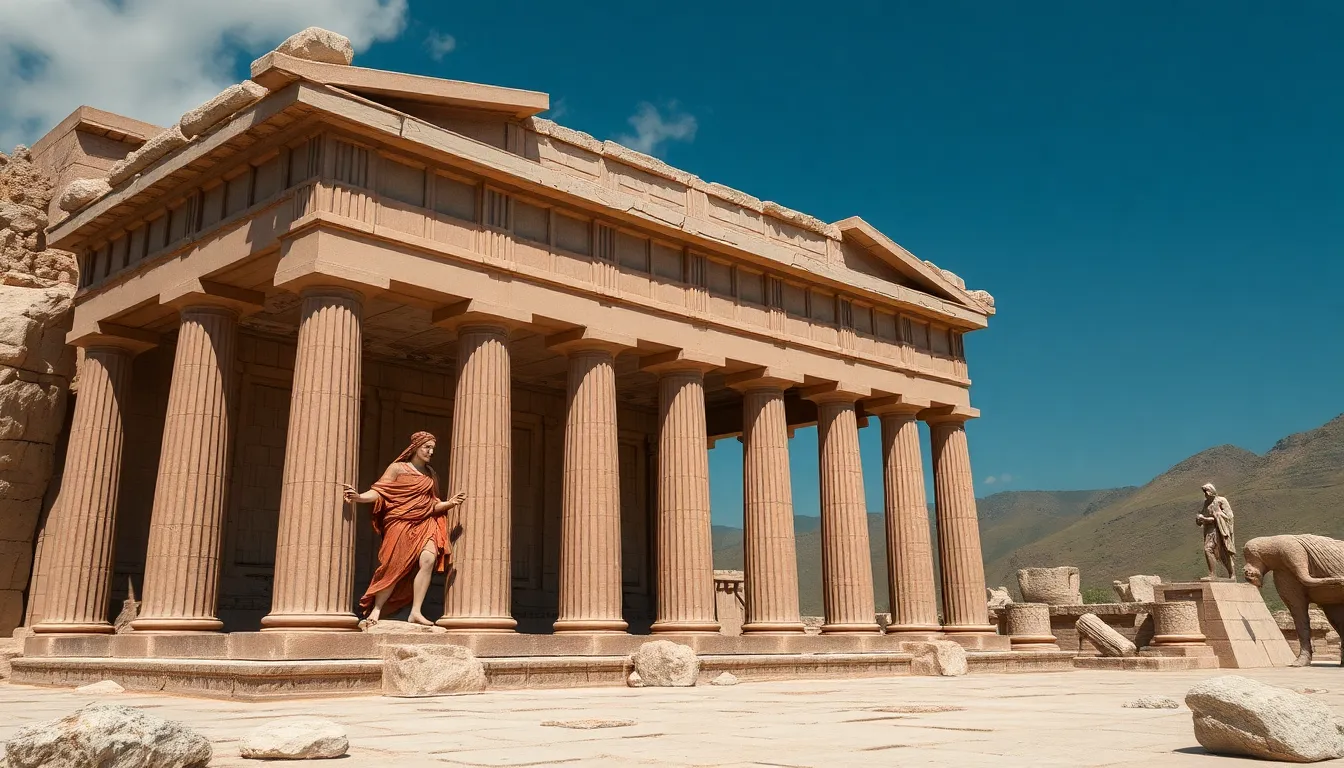
The Myths of Sacrifice: How Offerings Shaped the Greek Pantheon
I. Introduction
In ancient Greek culture, sacrifice held a profound significance, serving as a primary means of connection between mortals and the divine. Sacrifice, often defined as the act of offering something valuable to the gods, was integral to religious practices and cultural identity. Offerings could range from simple libations of wine to elaborate rituals involving the sacrifice of animals. This article aims to explore the myths surrounding sacrifice, debunk common misconceptions, and discuss its impact on the Greek pantheon.
II. Historical Context of Sacrifice in Ancient Greece
The origins of sacrificial practices in Greek religion can be traced back to prehistoric times, where evidence of offerings can be found in archaeological sites. Sacrifice developed as a vital component of worship, with variations across different city-states reflecting local traditions and deities. Major city-states like Athens and Sparta had distinct rituals tailored to their patron gods, showcasing the diversity of sacrificial practices.
- Athens: Known for its grand festivals like the Panathenaea, which honored Athena with sacrifices and offerings.
- Sparta: Emphasized military-related sacrifices, often to Ares, the god of war, reflecting their warrior culture.
- Cults and Local Deities: Many towns had unique cults with specific rituals, demonstrating the localized nature of Greek religion.
Key rituals included the hecatomb, which involved the sacrifice of a hundred oxen, typically performed during major festivals. These ceremonies were not merely acts of worship but community gatherings that reinforced social bonds and collective identity.
III. The Role of Sacrifice in Mythology
Many major myths in Greek mythology highlight the importance of offerings. The story of Prometheus, for instance, illustrates the consequences of failing to honor the gods through appropriate sacrifices. When Prometheus stole fire from the gods and gifted it to humanity, he faced severe punishment, which serves as a reminder of the importance of respect and reverence in sacrificial practices.
The Trojan War also underscores the relationship between sacrifice and divine favor. The Greeks believed that their success in battle depended on the gods’ approval, which was often sought through offerings. The sacrifice of Iphigenia by Agamemnon is a poignant example, where the act of sacrificing his daughter was meant to appease Artemis and ensure victory in war.
These myths reinforce cultural values around sacrifice, emphasizing themes of reciprocity, reverence, and the consequences of neglecting the gods. The relationship between mortals and deities was framed by the expectation of offerings, which were seen as essential for securing divine support.
IV. Sacrifice as a Means of Communication with the Divine
Understanding the purpose behind offerings reveals much about ancient Greek beliefs. Sacrifices were not simply acts of devotion; they were a means of communication with the divine. The Greeks believed in a reciprocal relationship with the gods, where offerings were expected in exchange for blessings, protection, and guidance.
The role of priests and priestesses was crucial in this dynamic. They acted as intermediaries between the mortal realm and the divine, conducting rituals, interpreting omens, and ensuring that offerings were made correctly. Their authority in sacrificial rites underscored the importance of proper practice in maintaining favor with the gods.
V. The Misconceptions Surrounding Sacrificial Practices
Despite the historical significance of sacrifices, many misconceptions persist about their nature and frequency. Some common myths include:
- Myth 1: Sacrifices were primarily brutal and excessive.
- Myth 2: All sacrifices involved animal slaughter.
- Myth 3: Sacrificial practices were uniform across all Greek city-states.
In reality, while some sacrifices did involve animal slaughter, many were symbolic, consisting of offerings of fruits, grains, and wine. The frequency of sacrifices varied widely depending on the community’s needs, calendar, and relationship with specific deities. Modern perspectives often misinterpret these ancient practices, failing to recognize their cultural and symbolic significance.
VI. The Impact of Sacrifice on the Development of the Greek Pantheon
Offerings significantly influenced how gods and goddesses were characterized within the Greek pantheon. The nature of the sacrifices dedicated to them shaped their attributes and relationships with mortals. For instance:
- Hades: Offerings to Hades often included food and drink, reflecting his association with the earth and the afterlife.
- Athena: As the goddess of wisdom and warfare, she received sacrifices that emphasized strategic prowess, such as the offerings made during the Panathenaea.
- Dionysus: Known for his association with wine and festivity, the rites in his honor often included libations and theatrical performances, merging sacrifice with cultural expression.
The evolution of divine hierarchies through sacrificial practices reveals how the Greeks viewed their gods as not just powerful beings, but as entities that required maintenance of their favor through ritual and devotion. The relationship between gods and mortals was reciprocal, necessitating continual offerings to sustain divine favor.
VII. Modern Interpretations of Ancient Sacrifice
The influence of Greek sacrificial traditions extends into contemporary religious practices and cultural discussions. Many modern religions incorporate elements of sacrifice, whether through the offering of prayers, goods, or other forms of devotion. Scholars continue to explore these ancient practices to understand their implications in broader cultural contexts.
Some key areas of interest include:
- Anthropological Studies: Examining how ancient sacrifices inform our understanding of human behavior and societal structure.
- Theological Perspectives: Investigating the moral implications of sacrifice in relation to contemporary ethics.
- Cultural Legacy: Analyzing how Greek sacrificial traditions have influenced modern rituals and celebrations.
The relevance of Greek sacrifice in modern discussions of ethics and morality continues to provoke thought, prompting comparisons between ancient beliefs and current practices in various religious and cultural contexts.
VIII. Conclusion
In summary, the myths of sacrifice in ancient Greece reveal a complex interplay between mortals and the divine, shaping not only the religious practices of the time but also the characterization of the Greek pantheon. Understanding these ancient beliefs is essential to appreciating their influence on contemporary culture and ethics.
The lasting legacy of sacrifice underscores its role in shaping religious and cultural identities, inviting reflection on how we view our own practices in today’s society. As we explore the depths of ancient sacrifice, we gain insight into the values and beliefs that defined a civilization and continue to resonate in modern discourse.