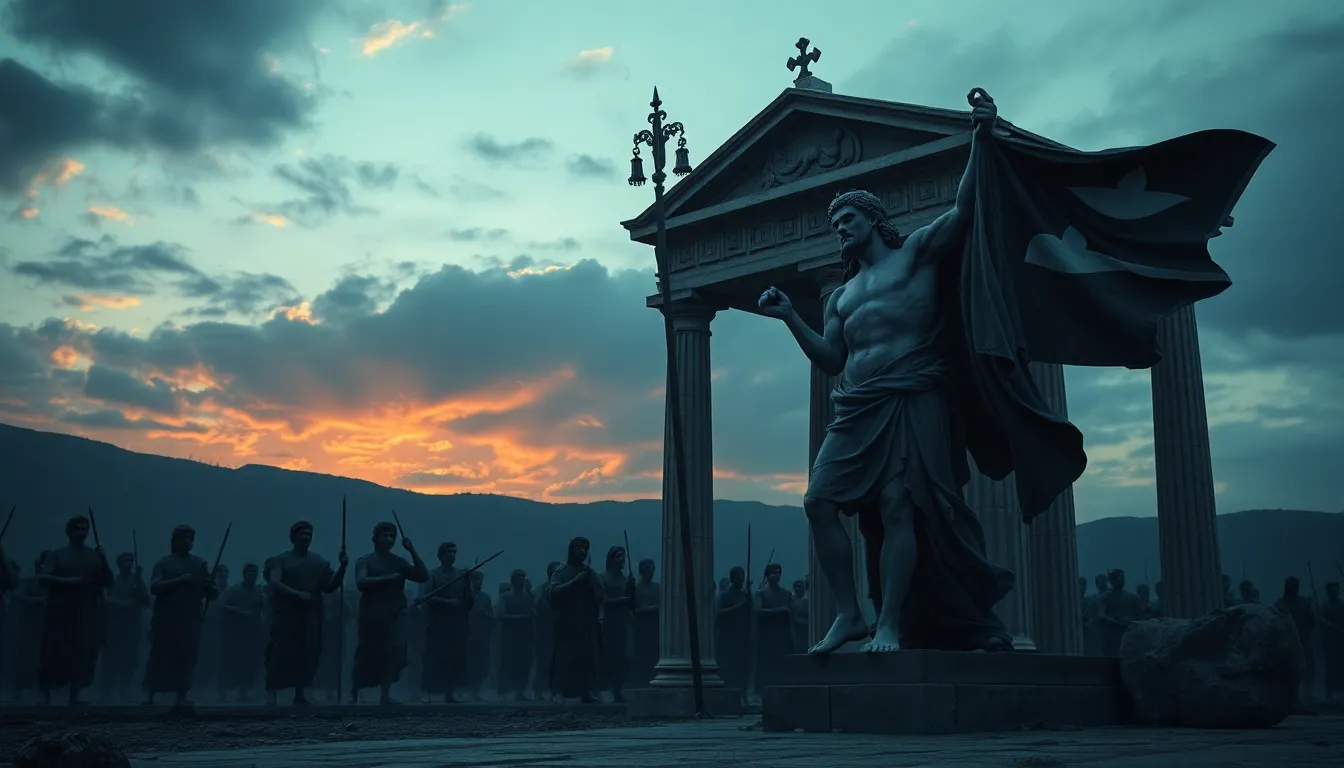
The Myths of Sacrifice: Understanding the Greek Concept of Honor
I. Introduction
In ancient Greek culture, sacrifice was a foundational concept that intertwined with various aspects of life, from religion to social structure. It was not merely an act of offering but a profound expression of devotion, loyalty, and respect. Sacrifice often involved ritualistic elements aimed at appeasing the gods, seeking favor, or fulfilling societal responsibilities.
Honor, on the other hand, stood as a central theme in Greek mythology and society. It was considered a vital attribute that defined an individual’s status and reputation. Honor could be gained through acts of bravery, wisdom, or sacrifice, and losing it could lead to a life of shame and social ostracism. Understanding these concepts is crucial for appreciating the complexities of Greek mythology and the cultural dynamics of ancient Greece.
This article aims to explore the intricate relationships between sacrifice and honor in Greek mythology, analyzing their historical contexts, mythological frameworks, and modern interpretations.
II. The Historical Context of Honor in Ancient Greece
Honor in ancient Greek society was not merely a personal attribute; it was a communal value that influenced social interactions, politics, and warfare. It dictated the behavior of individuals and served as a benchmark for evaluating one’s worth.
A. The Role of Honor in Greek Society and its Implications for Individuals
Honor was often associated with noble lineage, achievements in battle, and public service. Individuals were expected to act in ways that would enhance their honor and that of their family. The implications of honor were profound, affecting everything from marriage prospects to political power.
B. Key Historical Figures and Events that Shaped the Concept of Honor
Figures such as Achilles, whose wrath and sense of honor are famously depicted in Homer’s “Iliad,” exemplify the importance of honor in shaping individual destinies. Events like the Trojan War highlighted the consequences of honor and dishonor, leading to legendary tales of heroism and tragedy.
C. The Relationship Between Honor, Status, and Reputation
In ancient Greece, a person’s status was closely linked to their honor. Reputation was vital; a tarnished reputation could lead to social exclusion. Thus, individuals were compelled to maintain their honor through various means, including heroic deeds, sacrifices, and adherence to societal norms.
III. The Mythological Framework of Sacrifice
Greek mythology is rich with stories that illustrate the importance of sacrifice. These narratives often involve significant themes that reveal the societal values surrounding sacrifice and honor.
A. Common Themes of Sacrifice in Greek Myths
- Ritualistic offerings to the gods
- Personal sacrifices for family or community
- Heroic sacrifices in battle
- Consequences of failed sacrifices leading to calamities
B. Analysis of Prominent Myths Involving Sacrifice
Two prominent examples of sacrifice in Greek mythology include the stories of Iphigenia and Prometheus. Iphigenia, the daughter of Agamemnon, was sacrificed to appease the goddess Artemis, showcasing the often tragic nature of sacrifices made in the name of honor. Prometheus, on the other hand, sacrificed his freedom and endured eternal punishment for defying the gods by giving humanity the gift of fire, embodying the theme of selfless sacrifice for the greater good.
C. The Symbolic Meanings Behind These Sacrificial Acts
Such acts of sacrifice are laden with symbolic meanings. For instance, Iphigenia’s sacrifice represents the tension between personal desire and societal duty, while Prometheus symbolizes the eternal struggle for knowledge and enlightenment, often at great personal cost.
IV. The Dichotomy of Honor and Shame
Understanding the cultural dichotomy of honor and shame is critical to grasping the motivations behind sacrifices in Greek mythology.
A. Understanding the Honor-Shame Culture in Ancient Greece
The Greeks operated within a strict honor-shame culture where social standing was paramount. Honor was to be pursued relentlessly, often leading individuals to take extreme measures to uphold or restore it.
B. How Sacrifice Was Perceived as a Means to Attain or Restore Honor
In many myths, characters undertake sacrifices as a way to gain honor or rectify a loss of it. For example, warriors might sacrifice their lives in battle to achieve glory, while others might perform acts of devotion to restore their family’s honor.
C. The Consequences of Failing to Uphold Honor in Greek Society
Failure to maintain one’s honor could lead to severe repercussions, including dishonor, exile, or even death. Myths often illustrate these consequences, reinforcing the societal pressures surrounding honor.
V. Sacrifice as a Path to Heroism
In Greek mythology, the connection between sacrifice and heroism is profound. Many heroes are celebrated not just for their achievements but for the sacrifices they made in the pursuit of honor.
A. The Connection Between Sacrifice and Heroism in Greek Mythology
Heroic narratives often depict characters who face insurmountable odds and choose to sacrifice their own well-being for the sake of others. This selflessness elevates them to heroic status.
B. Examples of Heroes Who Sacrificed for Honor
- Achilles: His choice to withdraw from battle to avenge the dishonor of his fallen friend Patroclus ultimately leads to his own demise.
- Odysseus: His sacrifices on his long journey home, including the loss of companions, showcase his commitment to honor and loyalty.
C. The Implications of These Sacrifices on the Heroes’ Legacies
The sacrifices made by these heroes have lasting implications, cementing their legacies in the annals of mythology. Their stories serve as enduring lessons about the values of honor, courage, and sacrifice.
VI. The Role of the Gods in Sacrificial Honor
The gods played a crucial role in shaping the concepts of sacrifice and honor within Greek mythology. Their expectations influenced mortal actions and societal norms.
A. How Deities Influenced Concepts of Sacrifice and Honor
The gods were often depicted as demanding sacrifices for their favor. These offerings were seen as a way to maintain the balance between mortals and the divine, reinforcing the importance of honor in both realms.
B. The Expectations of Mortals in Relation to Divine Favor
Mortals were expected to adhere to certain standards of honor to gain favor from the gods. This included acts of devotion, bravery, and, at times, personal sacrifice.
C. Myths Showcasing Divine Intervention in Human Sacrifices
Many myths depict the gods intervening in human sacrifices, either to accept or reject them. Such interventions highlight the tenuous relationship between humans and the divine, often resulting in dramatic consequences.
VII. Modern Interpretations and Misconceptions
In contemporary society, the concepts of sacrifice and honor continue to resonate, albeit in different forms. However, many misconceptions persist regarding their meanings in ancient Greek culture.
A. How Contemporary Views of Sacrifice Differ from Ancient Perspectives
Today, sacrifice is often viewed through a lens of personal loss or martyrdom, while in ancient Greece, it was a communal act tied to honor and social expectation. The motivations behind sacrifices have evolved, reflecting changes in societal values.
B. Common Myths and Misunderstandings About Greek Honor
- The belief that honor was solely based on military prowess.
- Misinterpretations of honor as a purely individual trait rather than a communal value.
- Oversimplifications of sacrifices as acts of desperation rather than complex societal rituals.
C. The Relevance of Greek Concepts of Honor in Today’s Society
Despite the differences in context, the themes of honor and sacrifice remain relevant. Concepts of loyalty, integrity, and the pursuit of honor can still be seen in various facets of modern life, from personal relationships to global conflicts.
VIII. Conclusion
In summary, the exploration of sacrifice and honor in Greek mythology reveals a complex interplay of values that defined ancient Greek society. From the tragic sacrifices of Iphigenia to the heroic deeds of Achilles, these myths offer profound insights into the cultural fabric of the time.
The legacy of these concepts continues to influence modern culture, reminding us of the enduring importance of honor and the sacrifices made in its name.