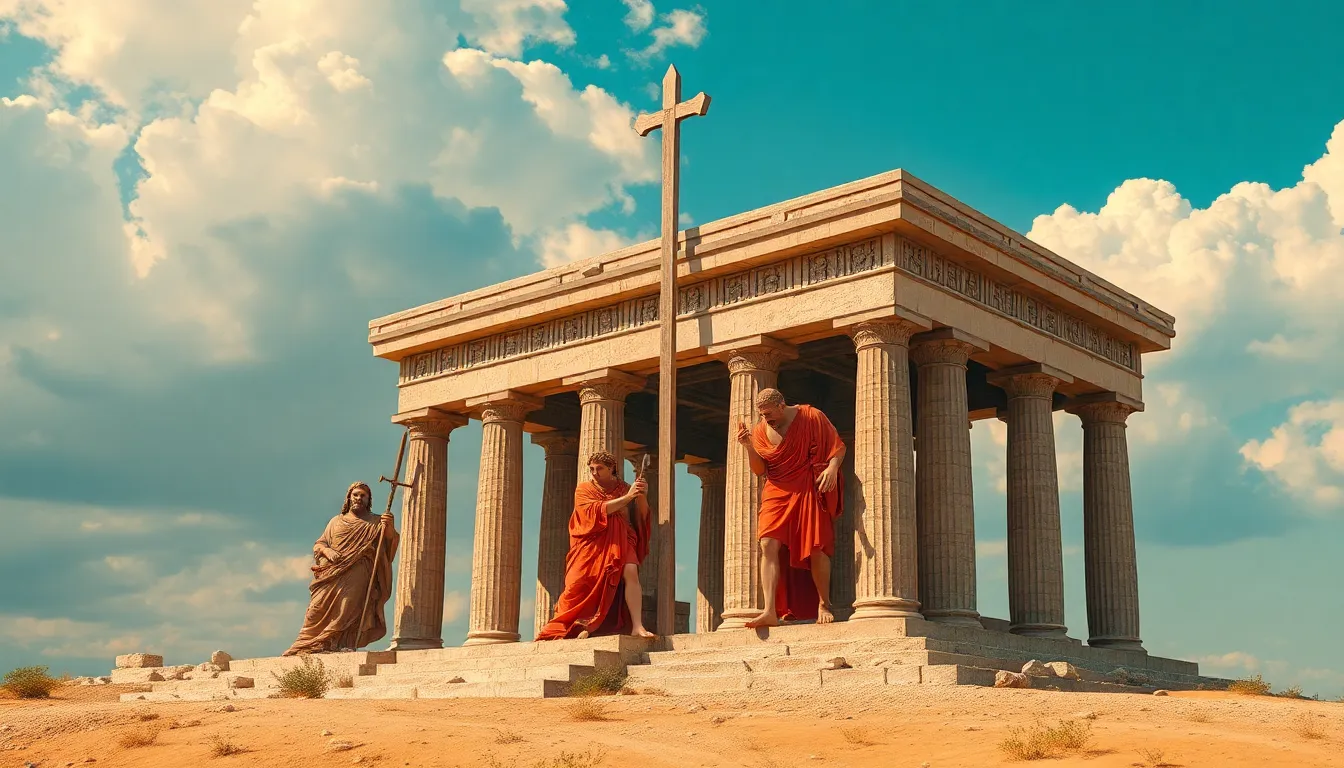
The Myths of Sacrifice: Understanding the Relationship Between Mortals and Gods
I. Introduction
Sacrifice, a concept deeply rooted in various cultures, signifies the act of giving up something valuable for the sake of a greater purpose or in exchange for favor. In many societies, this practice forms a crucial part of religious expression and ritual, reflecting the intricate relationship between mortals and gods.
In Greek mythology, the bond between humans and deities is often depicted through narratives involving sacrifice, illustrating a complex interplay of power, reverence, and reciprocity. This article aims to debunk common myths surrounding sacrifice while exploring the truths that define this ancient practice.
II. Historical Perspectives on Sacrifice
Throughout history, ancient civilizations have engaged in various sacrificial practices, each reflecting their unique cultural and spiritual beliefs.
A. Ancient civilizations and their sacrificial practices
From the Aztecs’ blood rituals to the Greeks’ offerings at altars, sacrifice has appeared in myriad forms. For instance:
- The Greeks: Regular offerings of food, wine, and animals to deities like Zeus and Athena.
- The Romans: Rituals that included animal sacrifice, often accompanied by prayers and hymns.
- The Egyptians: Offerings to gods such as Osiris, which included food, incense, and symbolic items.
B. Evolution of sacrifice through time in different cultures
Over time, the nature of sacrifice has evolved. While early practices often involved bloodshed, many cultures transitioned to more symbolic forms of sacrifice, reflecting changing beliefs and societal norms.
C. The role of sacrifice in mythological narratives
In mythological narratives, sacrifice serves as a pivotal theme, often highlighting the relationship between gods and mortals. Stories of heroes who sacrifice themselves or offerings made to appease angry gods illustrate the significance of this theme.
III. Myth 1: Sacrifice is Always about Bloodshed
One prevalent myth is that all sacrifices are centered around bloodshed. While this may have been true in some ancient practices, it fails to encompass the broader spectrum of sacrificial offerings.
A. Examination of non-bloody sacrifices
Numerous cultures also engaged in non-bloody sacrifices such as:
- Food offerings (e.g., fruits, grains)
- Flowers and other natural elements
- Acts of devotion or service
B. The symbolic meaning behind different types of sacrifices
Non-bloody sacrifices often carry rich symbolic meanings, representing gratitude, reverence, and the desire for harmony with the divine.
C. Case studies from various mythologies
In Greek mythology, for example, the ritual of offering honey and cakes to the gods symbolizes sweetness and abundance, while in Hinduism, the offering of milk and honey is seen as nurturing and life-giving.
IV. Myth 2: Sacrifice is a One-Way Transaction
Another common misconception is that sacrifice is a one-way transaction, where mortals give to gods without any expectation of return. This view oversimplifies the dynamic nature of these relationships.
A. The reciprocal nature of mortal-god relationships
In many mythologies, sacrifices are part of a reciprocal relationship where mortals expect blessings in return for their offerings.
B. Examples of divine blessings following mortal sacrifices
For instance:
- The Greeks believed that successful harvests were a direct result of offerings made to Demeter.
- The story of Prometheus, who sacrificed to bring fire to humanity, reflects the notion of divine favor following sacrifice.
C. The concept of mutual obligation in mythology
This mutual obligation underscores the belief that gods are not only recipients of sacrifices but also active participants in the lives of mortals, guiding and protecting them in return for their devotion.
V. Myth 3: All Sacrifices are Pleasing to the Gods
The idea that all sacrifices are inherently pleasing to the gods is another misconception. In reality, the acceptability of sacrifices varies widely across cultures and contexts.
A. Analysis of the criteria for acceptable sacrifices
Criteria for what constitutes a pleasing sacrifice often include:
- The quality of the offering (e.g., choosing the best livestock or produce)
- The ritualistic correctness of the act (following prescribed methods)
- The sincerity of the worshipper’s intention
B. The consequences of improper sacrifices in myths
Myths often depict dire consequences for improper sacrifices. For example, in Greek mythology, the story of Agamemnon and Iphigenia illustrates the tragic outcomes of incorrect offerings to the gods.
C. The role of intention and sincerity in sacrificial offerings
The intention behind a sacrifice plays a crucial role in determining its acceptability. A heartfelt offering is often deemed more valuable than one made out of obligation or fear.
VI. Modern Interpretations of Sacrifice
While ancient sacrificial practices may seem distant, their relevance persists in contemporary society, manifesting in various forms.
A. The relevance of ancient sacrificial practices in contemporary society
Many modern rituals echo ancient sacrificial traditions, emphasizing the continued importance of sacrifice as a means of connecting with the divine or expressing communal identity.
B. Modern rituals and their connection to mythological sacrifices
Celebrations such as Thanksgiving in the United States, where gratitude is expressed through communal meals, reflect the sacrificial spirit of ancient offerings.
C. How myths of sacrifice influence current cultural beliefs
The narratives surrounding sacrifice continue to shape cultural beliefs, influencing how societies view the concepts of altruism, generosity, and duty.
VII. The Psychological and Social Dimensions of Sacrifice
The act of sacrifice extends beyond the spiritual realm, impacting both community and individual identity.
A. The impact of sacrifice on community and identity
Participating in sacrificial acts can foster a sense of belonging and identity within a community, reinforcing social bonds and shared values.
B. Psychological motivations behind sacrificial acts
Sacrificial acts may stem from various psychological motivations, including:
- A desire for connection with the divine
- The pursuit of moral superiority
- A means of coping with guilt or fear
C. The role of sacrifice in shaping moral and ethical frameworks
Sacrifice often serves as a foundation for moral and ethical guidelines within societies, shaping what is considered virtuous or honorable behavior.
VIII. Conclusion
The myths surrounding sacrifice reveal a rich tapestry of beliefs and practices that highlight the intricate relationship between mortals and gods. Understanding these myths not only debunks misconceptions but also allows for a deeper appreciation of cultural narratives that have shaped human experience throughout history.
The enduring legacy of these themes continues to resonate in modern culture, reminding us of the significance of sacrifice in our lives. By exploring these myths, we gain insights into the values and beliefs that guide our contemporary understanding of morality, community, and the divine.