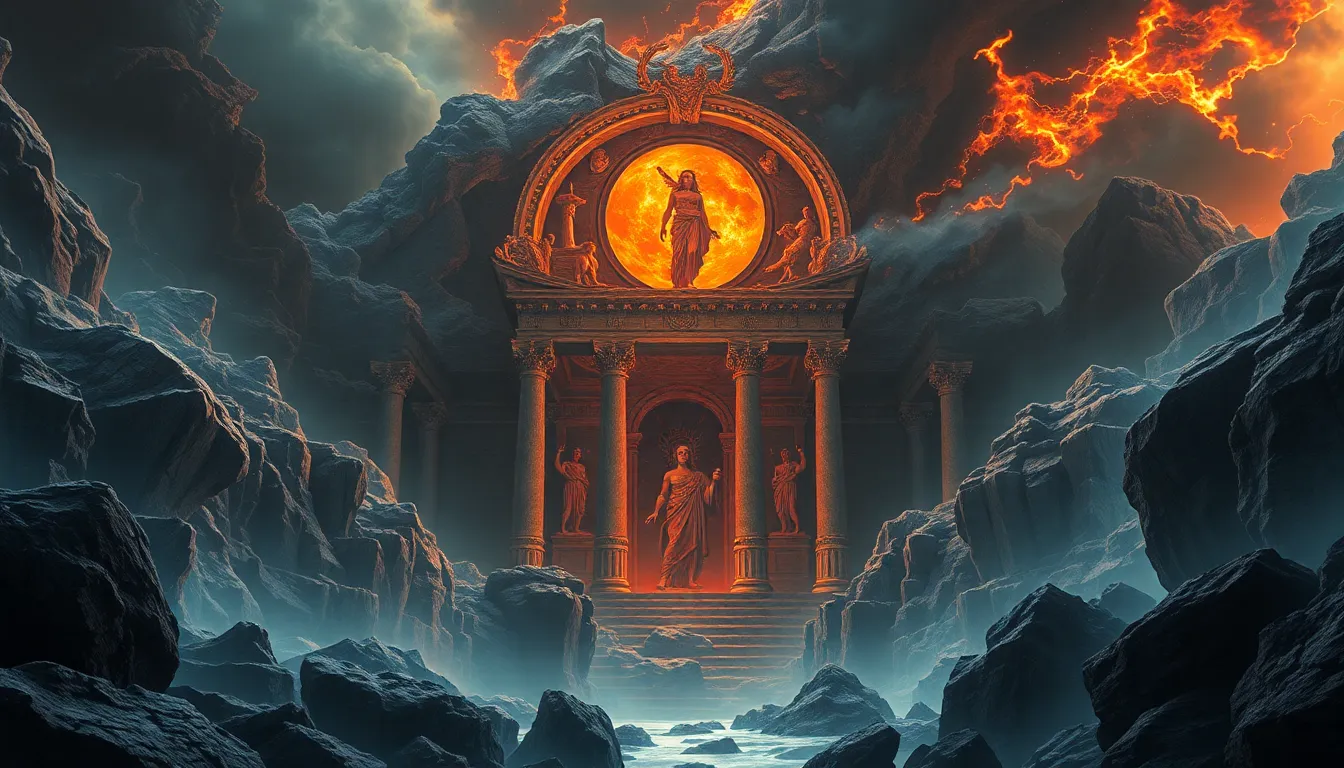
The Myths of Tartarus: Exploring the Depths of the Human Soul
I. Introduction to Tartarus: A Mythological Overview
Tartarus, in Greek mythology, is often described as a deep abyss, a place of torment and suffering, but it is also an essential component of the universe’s structure. It is not just a location for the damned but serves as a profound symbol of the human condition and our innermost struggles.
The origins of Tartarus can be traced back to Hesiod’s “Theogony,” where it is depicted as a primordial entity, an abyss that exists beneath the earth. This dark and shadowy place is often associated with the punishment of the wicked and the storage of the Titans after their defeat.
The significance of Tartarus in ancient Greek thought extends beyond mere punishment; it embodies the depths of despair, the consequences of hubris, and the moral complexities of justice. This article aims to explore the symbolic representation of Tartarus within the context of the human soul, unearthing its relevance in our journey toward self-understanding and transformation.
II. The Structure of Tartarus: A Symbolic Representation
Within the mythological framework, Tartarus can be visualized as having hierarchical layers, each representing various aspects of the human psyche and moral dilemmas. This layered structure serves as a metaphor for the complexities of our inner lives.
- Layer One: The Abyss of Despair – Representing deep sorrow and hopelessness.
- Layer Two: The Pit of Guilt – A space where individuals confront their wrongdoings and the consequences of their actions.
- Layer Three: The Chamber of Reflection – A place for self-examination and introspection.
- Layer Four: The Path to Redemption – The potential for growth and transformation through suffering.
The relationship between these physical depths and psychological states is profound. Just as Tartarus is depicted as an unfathomable abyss, so too can our emotional and psychological struggles feel overwhelming and isolating. This connection draws parallels to modern interpretations of the subconscious, where unresolved conflicts and fears reside.
III. The Inhabitants of Tartarus: Archetypes of the Human Experience
Among the most notable figures inhabiting Tartarus are Sisyphus and Tantalus, whose stories serve as cautionary tales of human folly and the consequences of arrogance.
- Sisyphus: Condemned to roll a boulder up a hill only to have it roll back down, he embodies the futility of struggle and the human tendency to resist fate.
- Tantalus: Forever tantalized by unattainable food and drink, he represents insatiable desire and the torment of longing.
The moral lessons derived from these myths highlight profound psychological implications. They remind us of our tendencies to engage in self-sabotage and the elusive nature of fulfillment. These archetypes reflect our own struggles and fears, illustrating common human experiences of frustration, desire, and the search for meaning.
IV. The Nature of Punishment in Tartarus: A Reflection of Inner Conflict
The concept of punishment in Tartarus is not merely about retribution; it serves as a reflection of divine justice and moral order. In the ancient Greek worldview, punishment was seen as a necessary component of justice, reinforcing the values of accountability and responsibility.
However, it also opens up discussions about self-imposed punishment and guilt. Often, individuals carry the weight of their transgressions, leading to a cycle of self-blame and despair. This internal conflict can manifest in various ways, impacting mental health and well-being.
Furthermore, suffering within Tartarus can be viewed as a catalyst for personal growth and self-discovery. The trials faced by its inhabitants compel them to confront their flaws and ultimately seek redemption, mirroring the human journey of overcoming adversity.
V. The Journey Through Tartarus: Metaphors for Personal Transformation
The descent into Tartarus serves as a powerful metaphor for facing one’s inner demons. Just as the mythical figures navigate their punishments, individuals must confront their fears, regrets, and traumas in order to emerge stronger.
Acknowledging and confronting psychological pain is crucial for healing. The journey through the depths of Tartarus symbolizes the struggles we endure when we confront what lies beneath the surface of our consciousness.
Pathways to redemption within this mythic framework offer hope. By engaging with our suffering and seeking understanding, we can transform our pain into a source of strength and resilience, much like the figures who endure hardships in Tartarus but eventually find a way to transcend their circumstances.
VI. Modern Interpretations of Tartarus: Psychological and Philosophical Perspectives
The myths of Tartarus continue to resonate in contemporary discussions, particularly in psychology and philosophy. Freudian and Jungian analyses have explored the symbolism of Tartarus as a representation of the unconscious mind, where repressed fears and desires reside.
In literature and art, Tartarus serves as an inspiration for exploring themes of suffering, redemption, and the human condition. Many modern authors and artists draw parallels between the struggles depicted in ancient myths and the complexities of contemporary life, illustrating the timeless relevance of these stories.
Moreover, the relevance of Tartarus extends into discussions of mental health and trauma. The challenges faced by individuals today can echo the experiences of those condemned to Tartarus, prompting conversations about empathy, understanding, and the importance of healing.
VII. Lessons from Tartarus: Cultivating Resilience and Empathy
Exploring the depths of Tartarus offers valuable insights into the human soul. The stories and struggles of its inhabitants remind us of our shared experiences and the challenges we all face.
One of the key lessons is the importance of empathy. Understanding the struggles of others can foster a sense of connection and compassion, enabling us to support one another in times of hardship.
Furthermore, the myths of Tartarus can inspire resilience and growth. By recognizing the potential for transformation within suffering, we can cultivate a mindset that embraces challenges as opportunities for personal development.
VIII. Conclusion: Embracing the Depths of Our Humanity
In summary, the exploration of Tartarus reveals profound themes related to the human experience, including struggle, punishment, redemption, and transformation. By delving into these myths, we gain a deeper understanding of ourselves and the complexities of our emotions.
The ongoing relevance of Tartarus reminds us that the journey through darkness can lead to light, and that our inner struggles are not merely sources of despair but also pathways to resilience and empathy. As we embrace the depths of our humanity, we can emerge stronger, wiser, and more connected to one another.