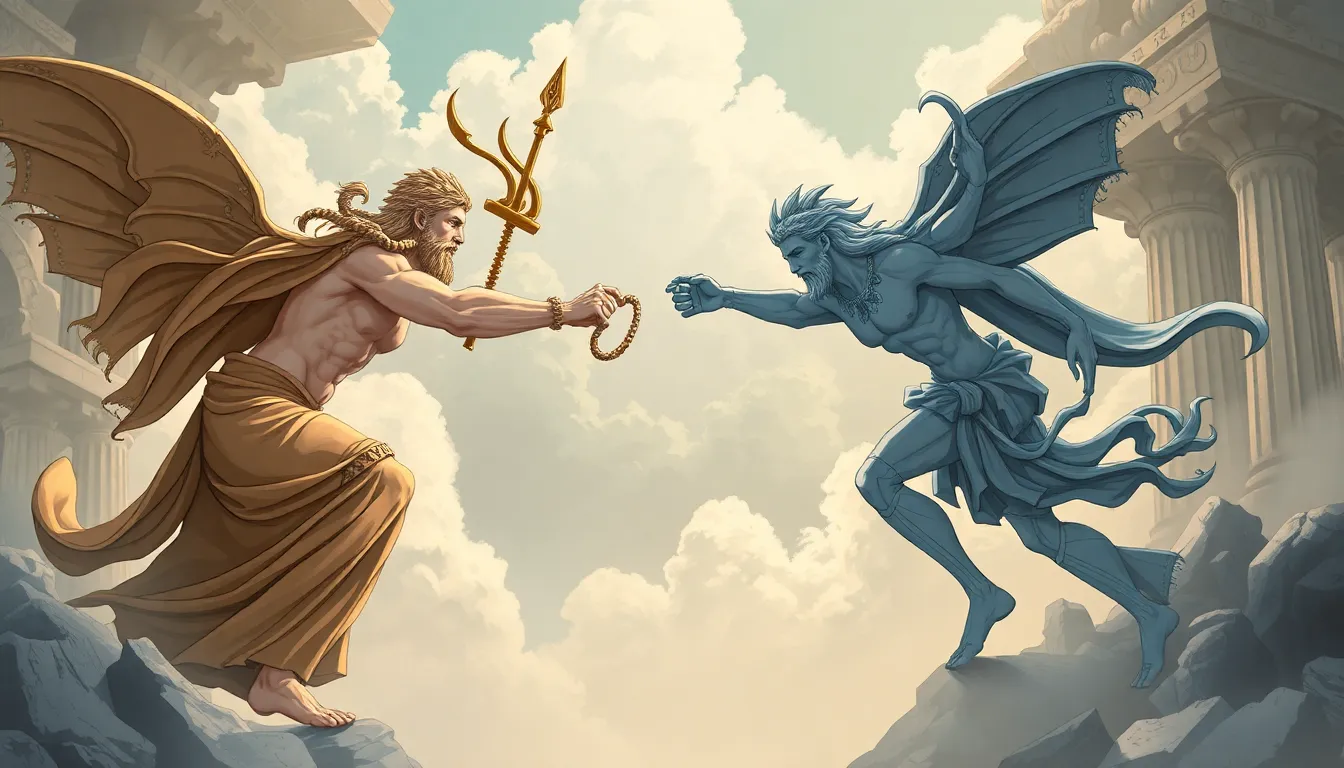
The Nature of Conflict in Greek Myths: A Philosophical Inquiry
I. Introduction
Greek mythology is a rich tapestry of stories that has captivated human imagination for centuries. These myths not only entertain but also serve as profound reflections on the human experience, delving into themes of love, power, fate, and, very importantly, conflict. Conflict in Greek myths is not merely a plot device; it is a philosophical inquiry into the nature of existence, morality, and the cosmos.
The purpose of this article is to explore the philosophical dimensions of conflict as depicted in Greek mythology. By analyzing various forms of conflict—interpersonal, divine, and existential—we gain insight into how these narratives shape our understanding of human nature and morality. Conflict as a narrative device propels the stories forward, offering depth to character development and thematic exploration.
II. Defining Conflict in Greek Myths
Conflict in Greek mythology can be categorized into several types:
- Interpersonal Conflict: This involves conflicts between characters, often driven by emotions such as jealousy, love, or ambition.
- Divine Conflict: Conflicts that arise among the gods, which often reflect human struggles and dilemmas.
- Existential Conflict: These conflicts grapple with fundamental questions of life, fate, and morality.
Key examples of conflict can be found in major myths such as:
- The Iliad: The conflict between Achilles and Agamemnon, rooted in pride and honor, highlights the destructive nature of rage.
- The Odyssey: Odysseus’ journey home is fraught with challenges that embody the struggle between human will and divine intervention.
The role of conflict is crucial in both character development and plot progression. It serves as a catalyst for change, revealing the complexities of human emotions and relationships.
III. Philosophical Perspectives on Conflict
Ancient Greek philosophers have provided various theories regarding the nature of conflict:
- Heraclitus: Known for his belief that conflict is a fundamental aspect of life, he famously stated, “War is the father of all things.” This perspective suggests that conflict is essential for change and growth.
- Plato: In his works, Plato explores the conflict between the ideal forms and the imperfect world, emphasizing the struggle for knowledge and truth.
- Aristotle: He viewed conflict through the lens of ethics, discussing the moral implications of actions taken during conflicts and the pursuit of the good life.
The moral implications of conflict in Greek myths often revolve around themes of justice, vengeance, and fate. Characters face dilemmas that challenge their ethical beliefs, leading to tragic outcomes. For instance, the conflict between Orestes and the Furies raises questions about justice and retribution.
Additionally, the dialectical nature of conflict, as discussed by Hegel, suggests that conflict can lead to resolution and synthesis, contributing to the evolution of ideas and values.
IV. The Role of the Gods in Mythological Conflicts
The gods play a pivotal role in mythological conflicts, often intervening in human affairs in ways that complicate and exacerbate struggles:
- Divine Intervention: The gods frequently intervene in human conflicts, influencing outcomes and displaying their power. The wrath of Hera against Heracles or Athena’s guidance of Odysseus exemplify this.
- Embodiments of Conflict: The gods themselves represent various aspects of conflict, such as Ares, the god of war, embodying chaos and violence, while Athena represents wisdom and strategic warfare.
- Philosophical Implications: The relationship between divine power and human free will raises questions about fate and autonomy. Are humans merely pawns in a divine game, or do they possess agency?
This interplay between divine influence and human action forms a complex web of conflict that challenges the characters and leads to profound philosophical questions.
V. Human Nature and the Roots of Conflict
At the heart of many Greek myths lies a deep exploration of human emotions and motivations:
- Jealousy: Often depicted as a catalyst for conflict, jealousy drives characters to make destructive choices, as seen in the myth of Medea.
- Ambition: The tragic flaws of characters, such as hubris, often lead to their downfall, showcasing the destructive nature of unchecked ambition.
- Love and Betrayal: Love, while a powerful force for good, can also lead to conflict and betrayal, as demonstrated in the story of Paris and Helen.
The interplay of hubris and tragedy in mythological narratives serves as a reminder of the fragility of human existence. Philosophically, these stories provide insights into the human condition and the inevitability of conflict as a fundamental aspect of life.
VI. Conflict Resolution in Greek Myths
Greek myths also offer various mechanisms for resolving conflict:
- Reconciliation: Characters often find peace through understanding and forgiveness, as seen in stories of redemption.
- Sacrifice: The act of sacrifice, whether of oneself or another, is a common theme that serves to resolve conflicts, often leading to catharsis.
- Tragedy: Many myths culminate in tragic endings, reflecting the reality that not all conflicts can be resolved positively.
The concept of fate plays a significant role in conflict resolution, suggesting that some outcomes are predetermined, adding a layer of complexity to the moral lessons learned from these narratives. The notion of catharsis, as articulated by Aristotle, emphasizes the emotional release experienced by audiences, allowing them to confront their own conflicts vicariously through the characters.
VII. The Legacy of Conflict in Greek Myths
The influence of Greek myths on modern literature and philosophy is profound. Many contemporary stories draw on themes of conflict, exploring the same struggles that ancient Greeks faced:
- Literature: Modern authors often echo the archetypes and conflicts found in Greek mythology, providing new interpretations of classic themes.
- Philosophy: The philosophical inquiries into conflict initiated by ancient thinkers continue to resonate, influencing modern ethical discussions.
- Contemporary Society: The relevance of mythological conflicts in today’s world can be seen in social and political struggles, highlighting the enduring nature of human conflict.
Reflecting on the legacy of conflict in Greek myths reveals an enduring truth: conflict is intrinsic to the human experience, shaping our narratives, values, and understanding of ourselves.
VIII. Conclusion
In summary, the exploration of conflict in Greek myths offers profound insights into the human condition. From interpersonal struggles to divine interventions, the narratives reveal the complexities of morality, fate, and human emotions. The philosophical implications of these conflicts challenge us to reflect on our own lives, encouraging a deeper understanding of the nature of conflict as both a destructive and transformative force.
As we delve further into the intersection of mythology and philosophy, we uncover layers of meaning that continue to resonate through time, inviting us to explore the timeless questions that arise from the conflicts we face.