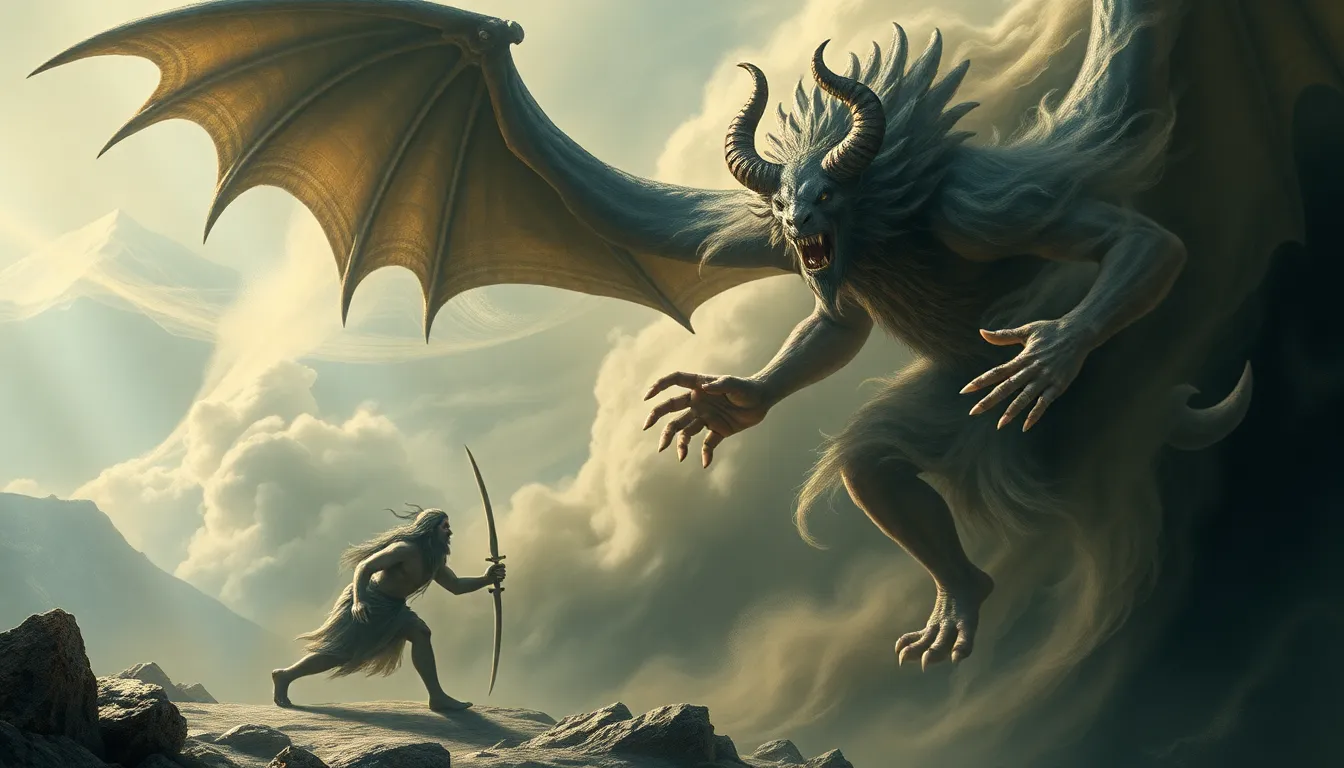
The Nature of Fear in Greek Myths: A Philosophical Perspective
I. Introduction
Fear is a fundamental human emotion that has long been explored through various cultural lenses. In the context of Greek mythology, fear takes on a unique significance, serving as both a narrative device and a philosophical theme. This article delves into the nature of fear as depicted in Greek myths, examining its implications for the human condition through a philosophical perspective.
Understanding fear is essential, as it not only shapes individual experiences but also influences societal values and moral frameworks. By analyzing fear in Greek mythology, we can uncover deeper insights into human psychology and the philosophical questions that arise from our responses to fear.
This article will explore the concept of fear in ancient Greek thought, personifications of fear in mythology, the relationship between fear and the human condition, and the moral lessons derived from these narratives. Additionally, we will reflect on the contemporary relevance of these themes and conclude with thoughts on the philosophical implications of understanding fear.
II. The Concept of Fear in Ancient Greek Thought
A. Fear as an emotion in Greek philosophy
In ancient Greece, fear was recognized as a complex emotion that could influence behavior and thought. Philosophers sought to understand fear not just as a mere reaction but as a significant component of human experience. The Greek term for fear, “phobos,” encapsulates both the feeling and the personification of fear itself.
B. The role of fear in the works of philosophers like Plato and Aristotle
Plato and Aristotle, two of the most prominent figures in Greek philosophy, offered insights into fear’s nature and its impact on human behavior. Plato, in his dialogues, often discussed fear in terms of the soul’s relationship to knowledge and ignorance. He suggested that fear arises from a lack of understanding and that the pursuit of knowledge can alleviate it.
Aristotle, on the other hand, explored fear in his work “Rhetoric,” where he examined its role in persuasion and moral decision-making. He identified fear as a response to perceived threats and emphasized the importance of rationality in addressing fear. For Aristotle, overcoming irrational fears was crucial for achieving eudaimonia, or a flourishing life.
C. Differentiating between rational and irrational fears
In the context of Greek thought, fear can be categorized into two main types:
- Rational fears: These are fears that arise from real dangers or threats. They serve a protective function and can motivate individuals to take necessary actions for their safety.
- Irrational fears: These fears are often unfounded and may stem from misconceptions or anxieties. They can hinder personal growth and decision-making.
Philosophers emphasized the importance of distinguishing between these two types of fear to navigate life’s challenges effectively.
III. Fear Personified: Deities and Monsters
A. Exploration of fear personified in mythological figures (e.g., Phobos, the personification of fear)
In Greek mythology, fear is personified through various deities and monsters. One of the most notable figures is Phobos, the personification of fear, who is often depicted as a companion of Ares, the god of war. Phobos embodies the terror that accompanies conflict, illustrating how fear can influence human actions in times of strife.
B. The significance of monsters and their role in evoking fear
Monsters in Greek mythology serve as powerful symbols of fear, representing the unknown and the chaotic aspects of existence. These creatures often embody specific fears that individuals or societies grapple with. They challenge heroes to face their fears and emerge transformed.
C. Case studies: Medusa and the Minotaur as embodiments of fear
Two prominent examples of fear personified are Medusa and the Minotaur:
- Medusa: Once a beautiful maiden, Medusa transformed into a monster with snakes for hair as punishment. Her gaze could turn men to stone, representing the fear of the unknown and the consequences of unchecked power. Heroes, like Perseus, must confront Medusa to overcome their fears and restore balance.
- The Minotaur: This creature, half-man and half-bull, resides in the labyrinth, symbolizing the fear of confinement and the struggle against one’s inner demons. Theseus’ journey to defeat the Minotaur illustrates the hero’s confrontation with fear in a quest for self-discovery.
IV. Fear and Human Condition in Greek Myths
A. The relationship between fear and human vulnerability
Fear is intricately tied to the human experience, highlighting our vulnerabilities and existential concerns. Greek myths often depict characters grappling with fear, reflecting the struggles inherent in the human condition.
B. Myths that illustrate the struggle against fear (e.g., Odysseus’ journey)
Odysseus, the hero of Homer’s “The Odyssey,” embodies the struggle against fear throughout his long journey home. Facing numerous adversities, including monstrous creatures and divine wrath, Odysseus must confront his fears to persevere and achieve his goals.
C. The transformative power of facing fear
The acts of facing and overcoming fear lead to personal growth and transformation. Myths often illustrate how characters emerge stronger after confronting their fears, gaining wisdom and insight that allow them to navigate life’s complexities more effectively.
V. Moral Lessons and Ethical Implications of Fear
A. The role of fear in moral decision-making in myths
Fear often plays a crucial role in moral decision-making within Greek myths. Characters are frequently faced with choices that test their virtues and values, where fear can either paralyze them or motivate them to act with courage.
B. How fear influences characters’ actions and consequences
Fear can lead to both noble and destructive actions. For instance, in “The Iliad,” the fear of dishonor drives Achilles to withdraw from battle, resulting in significant consequences for himself and his comrades. The interplay between fear and moral choices highlights the complexities of human behavior.
C. Philosophical interpretations of fear as a motivator for virtue
Philosophers have often viewed fear as a potential motivator for virtuous behavior. In facing fear, characters may strive for courage, justice, and wisdom, aligning their actions with ethical principles. This perspective invites reflection on how fear can serve as a catalyst for moral development.
VI. Fear as a Catalyst for Change
A. Fear’s role in personal growth and self-discovery in myths
Fear is often portrayed as a catalyst for personal growth and self-discovery in Greek myths. Characters who confront their fears frequently undergo profound transformations that shape their identities and destinies.
B. Examples of characters who evolve through their encounters with fear
Consider the following characters:
- Perseus: His journey to face Medusa teaches him bravery and the importance of intelligence over brute strength.
- Heracles: Throughout his labors, Heracles confronts not only physical challenges but also his emotional fears, ultimately leading him to redemption and heroism.
C. The philosophical notion of fear as a necessary aspect of the human experience
The philosophical perspective suggests that fear is an intrinsic part of the human experience, one that prompts individuals to confront their limitations and seek growth. Embracing fear can lead to a deeper understanding of oneself and one’s place in the world.
VII. Contemporary Reflections on Fear in Greek Myths
A. Relevance of Greek mythological themes of fear in modern society
The themes of fear explored in Greek mythology continue to resonate in contemporary society. The anxieties of modern life—such as existential crises, societal pressures, and personal challenges—mirror the fears depicted in ancient myths.
B. How contemporary philosophies reinterpret ancient fears
Modern philosophical discourse often revisits the concept of fear, applying it to contemporary issues such as mental health, identity, and societal dynamics. Philosophers explore how understanding fear can lead to greater self-awareness and emotional resilience.
C. The ongoing influence of Greek myths on cultural narratives around fear
Greek myths have profoundly influenced literature, film, and psychology, shaping cultural narratives around fear. The archetypes and themes established in these myths continue to inform storytelling and provide a framework for understanding fear in various contexts.
VIII. Conclusion
In conclusion, the exploration of fear in Greek mythology