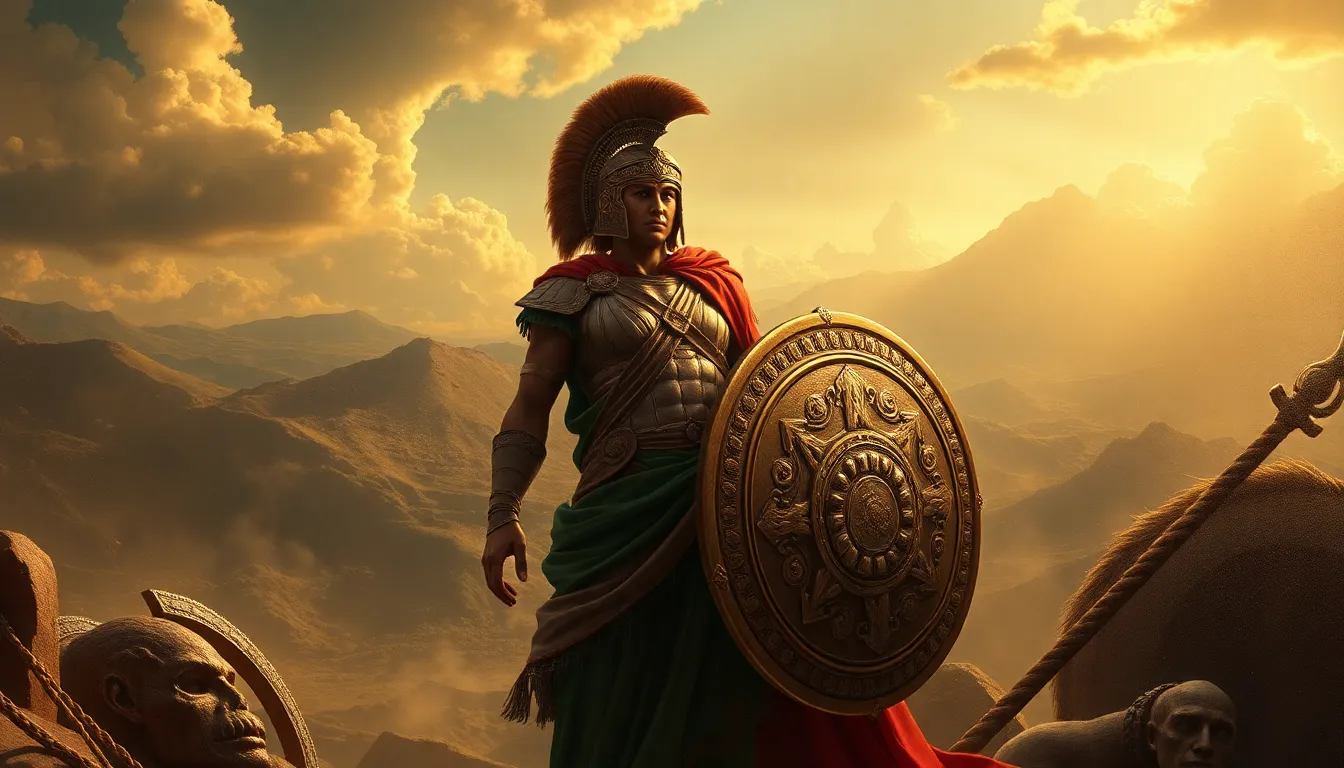
The Philosophical Dimensions of the Greek Myth of Achilles
I. Introduction
In the rich tapestry of Greek mythology, few figures loom as large as Achilles, the legendary warrior of the Trojan War. Renowned for his invincible strength and unparalleled valor, Achilles embodies the ideals of heroism celebrated in ancient Greek culture. Yet, his story transcends the bounds of mere martial prowess, delving into profound philosophical questions that resonate through the ages.
The myth of Achilles serves as a fertile ground for philosophical discourse, inviting exploration into themes such as fate, honor, emotion, and identity. This article aims to delve into the philosophical dimensions of Achilles’ tale, examining how his narrative reflects the complexities of human existence and moral choice.
II. The Heroic Ideal: Strength and Valor
A. Definition of heroism in ancient Greece
In ancient Greek society, heroism was characterized by a combination of physical strength, bravery in battle, and a commitment to personal honor. Heroes were often seen as intermediaries between the divine and the mortal, possessing qualities that set them apart from ordinary individuals.
B. Achilles as the embodiment of the warrior ethos
Achilles epitomizes the heroic ideal, renowned for his unmatched combat skills and ferocity on the battlefield. His legacy as a warrior is immortalized in Homer’s “Iliad,” where his prowess is matched only by his tragic vulnerabilities. Achilles’ quest for glory, or kleos, drives him to seek recognition and fame, defining his identity and actions throughout the narrative.
C. Examination of physical prowess versus moral integrity
While Achilles’ physical strength is undeniable, his moral integrity is frequently called into question. The tension between his heroic status and his emotional responses, particularly his rage, invites a deeper examination of what it truly means to be a hero. Is heroism solely defined by strength, or does it also encompass virtues such as wisdom and compassion?
III. The Concept of Fate and Free Will
A. Achilles’ struggle with his predetermined fate
Central to Achilles’ narrative is the theme of fate. Forewarned by prophecy, Achilles is aware that his choices are limited by a predetermined destiny: he can either live a long, uneventful life or achieve eternal glory at the cost of an early death. This struggle between fate and personal choice is a significant aspect of his character.
B. The philosophical implications of fate in Greek thought
In ancient Greek philosophy, the concept of fate raises important questions about the nature of free will. The belief in Moirai, or the Fates, suggests that individuals are bound by a cosmic order that dictates their destinies. Yet, the tension between fate and autonomy is a recurring theme, prompting discussions about human agency and moral responsibility.
C. The paradox of choice: Free will versus destiny
- How do individuals navigate their lives when faced with predetermined outcomes?
- Is true free will possible in a world governed by fate?
- Can one find meaning in the choices made within the confines of destiny?
Achilles’ journey serves as a poignant illustration of this paradox, as he grapples with his fate while striving to assert his own will.
IV. The Nature of Honor and Glory (Kleos)
A. The significance of honor in Achilles’ life and choices
For Achilles, honor is paramount. His actions are driven by a desire to achieve kleos, or glory, which is intricately linked to his identity as a warrior. The pursuit of honor shapes his decisions and relationships, often leading him into conflict with others, including Agamemnon.
B. Analysis of kleos and its impact on personal identity
Kleos is significant not just for its social implications but also for how it defines personal identity. For Achilles, glory is a means of achieving immortality, ensuring that his name and deeds will be remembered long after his death. This desire for recognition raises questions about the nature of legacy and the extent to which one’s identity is shaped by external validation.
C. The interplay between personal desires and societal expectations
Achilles’ struggle reflects the tension between individual desires and societal expectations. His choices often pit his personal goals against the demands of his community and the expectations of heroism. This duality highlights the complexities of navigating personal ambitions within the constraints of social norms.
V. The Role of Anger and Emotion in Decision-Making
A. Achilles’ rage and its philosophical interpretations
One of the most notable aspects of Achilles’ character is his intense rage, particularly in response to perceived slights to his honor. This anger serves as both a driving force and a source of conflict, influencing his decisions and relationships throughout the “Iliad.” Philosophically, Achilles’ rage invites exploration into the nature of emotions and their impact on human behavior.
B. The impact of emotions on moral choices
Emotions play a critical role in moral decision-making, often complicating the distinction between right and wrong. Achilles’ rage leads him to withdraw from battle and refuse to fight for the Greeks, with significant consequences for his comrades. This raises important questions about the ethical implications of emotional responses and the potential for irrationality in moral judgments.
C. The balance between reason and passion in human behavior
- How can individuals attain a balance between emotional and rational decision-making?
- What role do emotions play in shaping moral character?
- Can unchecked emotions lead to destructive outcomes?
Achilles’ story serves as a cautionary tale about the dangers of allowing passion to overshadow reason, highlighting the need for emotional intelligence in navigating moral dilemmas.
VI. The Dichotomy of Life and Death
A. Achilles’ choice between a long life and eternal glory
At the heart of Achilles’ myth lies a profound existential choice: to live a long, uneventful life or to embrace a short existence filled with glory. This choice is emblematic of the human condition, reflecting the universal tension between the desire for safety and the pursuit of greatness. Achilles ultimately opts for glory, understanding that while life may be fleeting, the legacy he leaves behind will endure.
B. Exploration of the existential themes in the myth
The myth of Achilles resonates with existential themes, prompting reflections on mortality and the search for meaning. His choice embodies the struggle against the inevitability of death, urging individuals to confront their own mortality and consider how they wish to be remembered. The weight of such decisions underscores the philosophical inquiry into the nature of existence and the legacy one creates.
C. Philosophical reflections on mortality and legacy
Achilles’ story serves as a poignant reminder of the transient nature of life and the enduring impact of one’s actions. As he grapples with the implications of his choices, readers are invited to reflect on their own lives and the legacies they wish to leave behind. This exploration of mortality fosters a deeper understanding of what it means to live a meaningful life.
VII. The Interplay of Friendship and Loyalty
A. The bond between Achilles and Patroclus
The relationship between Achilles and Patroclus is central to the narrative, illustrating the profound significance of friendship in shaping individual identity and moral choices. Their bond transcends mere companionship, serving as a source of strength and motivation for Achilles throughout the story.
B. The philosophical significance of friendship in the myth
Friendship in Greek thought is often associated with virtue and moral development. The deep connection between Achilles and Patroclus prompts reflections on the nature of loyalty and the responsibilities that accompany close relationships. Achilles’ grief following Patroclus’ death catalyzes his return to battle, highlighting how personal bonds can influence moral choices and actions.
C. Loyalty’s role in shaping moral decisions and actions
- How does loyalty impact ethical decision-making?
- What responsibilities do individuals have towards their friends?
- Can loyalty lead to both noble and destructive outcomes?
Through the lens of Achilles and Patroclus’ friendship, the myth underscores the importance of interpersonal relationships in navigating moral landscapes and making impactful decisions.
VIII. Conclusion
The myth of Achilles is a rich narrative that encapsulates a multitude of philosophical themes, from the nature of heroism to the complexities of fate and free will. By examining Achilles’ journey, we uncover profound insights into the human experience, reflecting on honor, emotion, mortality, and the bonds that shape our lives.
Ach