The Philosophical Dimensions of the Greek Myth of Daedalus
I. Introduction
The myth of Daedalus is one of the most intriguing tales in Greek mythology, serving as a rich tapestry woven with themes of innovation, freedom, hubris, and ethics. Daedalus, a master craftsman and inventor, is renowned for his incredible creations, most notably the Labyrinth that housed the Minotaur. His story transcends mere legend; it encapsulates the complexities of human experience, particularly in relation to creativity and the moral implications that accompany it.
In Greek mythology, Daedalus stands out as a figure representing not only human ingenuity but also the inherent struggles and dilemmas that come with it. This article aims to explore the philosophical implications of Daedalus’s myth, delving into various dimensions of his character and the lessons his story imparts.
II. Daedalus as a Symbol of Human Ingenuity
Daedalus embodies the archetype of the inventor and craftsman, symbolizing the heights of human creativity. His talents are not limited to mere construction; they extend to the realm of imagination, showcasing the power of human intellect.
A. The archetype of the inventor and craftsman
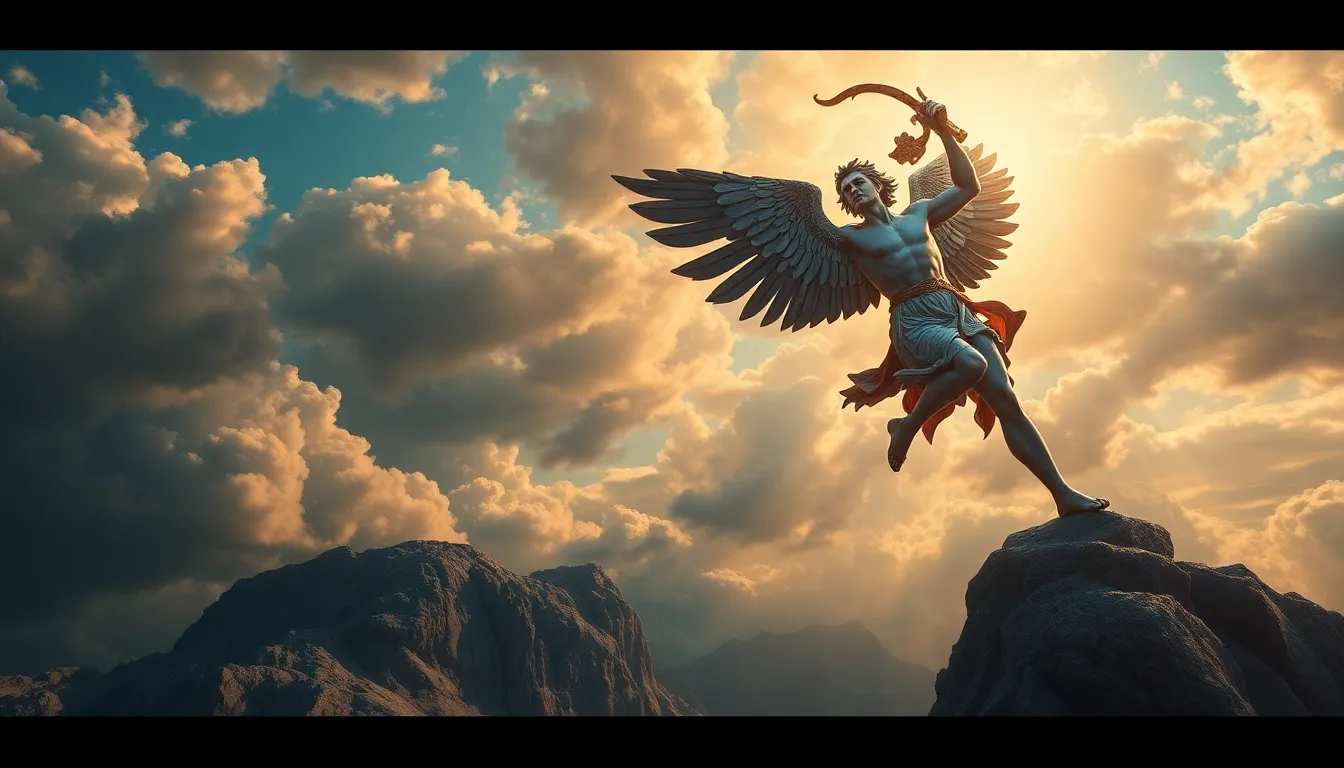
As an inventor, Daedalus symbolizes the drive to create and innovate. His inventions, such as the wings that allowed him and his son Icarus to escape from Crete, demonstrate the extraordinary potential of human creativity. However, this creativity is not without its challenges and consequences.
B. The relationship between creativity and knowledge
Daedalus’s story illustrates the close relationship between creativity and knowledge. His understanding of materials and mechanics enables him to craft extraordinary devices. This relationship prompts important questions:
- What is the source of true creativity?
- How does knowledge influence the creative process?
C. Ethical considerations of innovation
With ingenuity comes responsibility. Daedalus’s innovations often lead to ethical dilemmas, particularly regarding their impact on others. The myth encourages us to reflect on our own creative endeavors and the moral obligations that accompany them.
III. The Paradox of Freedom and Constraint
One of the most poignant aspects of Daedalus’s myth is the tension between his desire for freedom and the constraints imposed upon him. This paradox invites deeper philosophical exploration.
A. Daedalus’s desire for freedom versus the constraints of his circumstances
Imprisoned by King Minos, Daedalus yearns for freedom. His desire to escape from Crete highlights the universal human aspiration for autonomy. However, his circumstances impose significant constraints, prompting reflections on the nature of freedom.
B. The implications of the Labyrinth as a symbol of entrapment
The Labyrinth itself serves as a powerful symbol of entrapment. While Daedalus designed it to contain the Minotaur, it ultimately becomes a representation of his own confinement. This raises questions about the limits of human agency in the face of external constraints.
C. Philosophical reflections on autonomy and limitation
The interplay between autonomy and limitation in Daedalus’s story encourages us to consider the philosophical implications of freedom. Are we truly free, or are our choices constrained by circumstances beyond our control?
IV. The Theme of Hubris
Hubris, or excessive pride, is a central theme in many Greek myths, and Daedalus’s story is no exception. His pride in his inventions ultimately leads to tragic consequences.
A. Daedalus’s pride in his creations
Daedalus takes immense pride in his ability to craft life-like creations and ingenious inventions. His skills are unmatched, but this pride can lead to arrogance, blinding him to potential dangers.
B. The consequences of overreaching ambition
The tale of Daedalus and Icarus serves as a cautionary tale about the consequences of overreaching ambition. Icarus’s tragic fall after flying too close to the sun illustrates the dangers of ignoring limitations.
C. Lessons on humility and the limitations of human capabilities
Daedalus’s story teaches valuable lessons about humility and recognizing the limitations of human capabilities. It prompts us to reflect on the balance between ambition and the acceptance of our inherent constraints.
V. The Role of Fate and Destiny
Fate plays a critical role in Daedalus’s journey, intertwining with themes of human agency and predetermined destiny.
A. The interplay between human agency and predetermined fate
Daedalus often attempts to exert control over his destiny, yet he is ultimately subject to the whims of fate. This raises philosophical questions about the extent of human agency in shaping our lives.
B. Daedalus’s attempts to control his destiny
In his quest for freedom and safety, Daedalus crafts wings and devises plans to escape. However, his efforts are met with the harsh reality of fate, illustrating the tension between human endeavor and the inevitable forces that shape our lives.
C. Philosophical interpretations of fate in Greek thought
Greek philosophy often grapples with the concept of fate. Daedalus’s story serves as a case study in the complexities of fate, highlighting the eternal struggle between free will and destiny.
VI. Ethical Dilemmas in Creation
Daedalus’s myth raises pressing ethical dilemmas regarding creation and the responsibilities that accompany it.
A. The moral implications of Daedalus’s inventions
Daedalus’s inventions, while brilliant, also carry moral implications. His creation of the Labyrinth and the wings raises questions about the potential consequences of his innovations.
B. The responsibility of the creator towards their creations
The myth compels us to consider the responsibilities that creators bear toward their creations. When inventions lead to harm, what moral obligations do creators have to mitigate those effects?
C. Modern parallels in technology and ethics
In our contemporary world, the ethical dilemmas faced by Daedalus resonate with modern issues in technology and innovation. As we develop new technologies, we must grapple with similar ethical considerations regarding their impact on society.
VII. Daedalus and the Concept of Knowledge
Daedalus’s pursuit of knowledge is a central theme in his myth, highlighting its dual nature as both a gift and a curse.
A. The pursuit of knowledge as both a gift and a curse
While Daedalus’s knowledge enables him to create remarkable inventions, it also leads to tragic outcomes. This duality prompts reflection on the nature of knowledge itself.
B. The duality of wisdom in Daedalus’s character
Daedalus is portrayed as both wise and flawed. His intelligence allows him to innovate, but it also leads to hubris and the suffering of those he loves, particularly with Icarus’s demise.
C. Philosophical discussions on knowledge, ignorance, and enlightenment
The myth encourages philosophical discussions about the nature of knowledge, the dangers of ignorance, and the pursuit of enlightenment. It challenges us to consider how knowledge shapes our understanding of ourselves and the world.
VIII. Conclusion
In conclusion, the myth of Daedalus serves as a profound exploration of various philosophical themes, including human ingenuity, the paradox of freedom and constraint, hubris, the role of fate, ethical dilemmas in creation, and the nature of knowledge. Daedalus’s story resonates across time, offering valuable lessons that remain relevant in contemporary discourse.
As we reflect on the interplay between mythology and philosophy, the enduring relevance of Daedalus invites us to consider our own creative endeavors, the ethical implications of our actions, and the complex relationship between human ambition and the constraints of our existence. Ultimately, Daedalus’s tale serves as a reminder of the delicate balance between innovation and responsibility, encouraging us to navigate the challenges of creation with humility and wisdom.