The Philosophical Dimensions of the Greek Myth of the Sphinx
I. Introduction
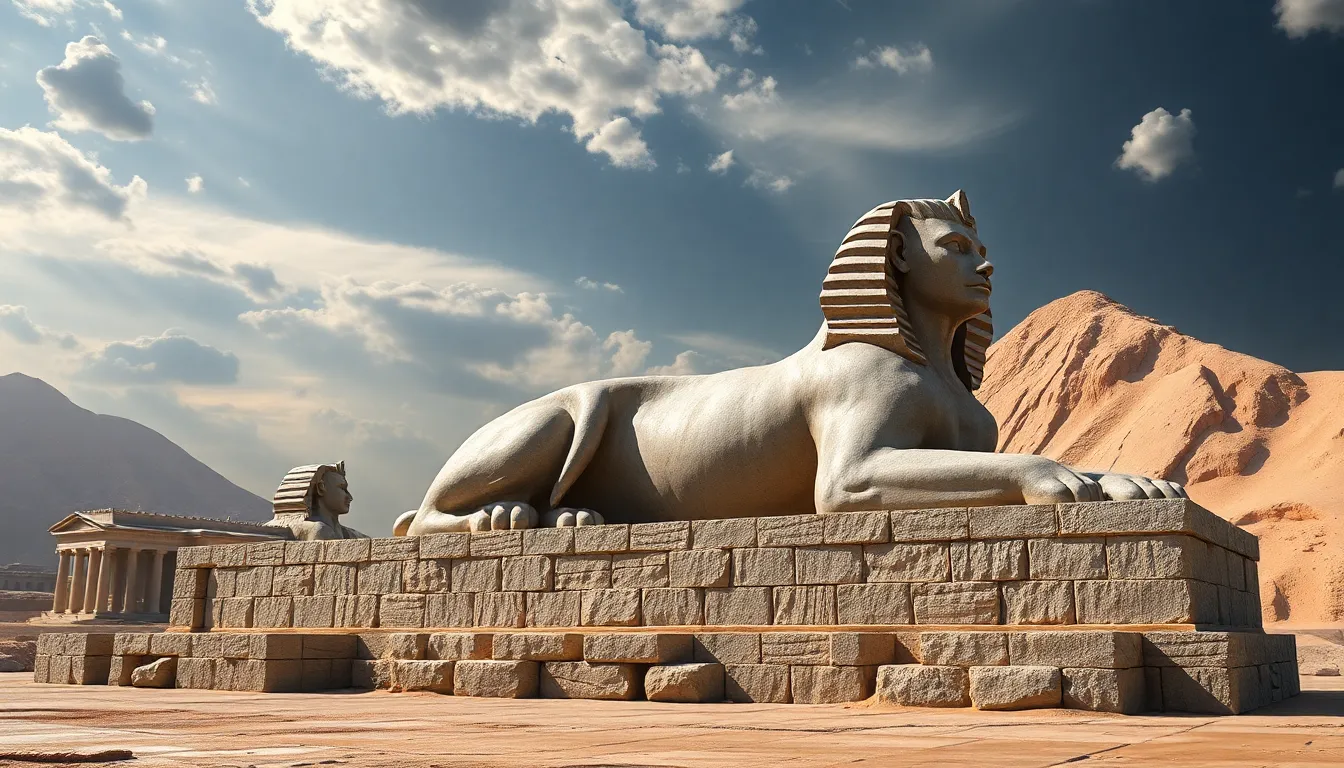
The Sphinx, a creature with the body of a lion and the head of a human, stands as one of the most enigmatic figures in Greek mythology. It is often associated with the tragic tale of Oedipus, who confronted this mythological being during his journey. The Sphinx is not merely a character in a myth; it embodies profound philosophical questions about existence, knowledge, and the human condition.
This article aims to explore the philosophical dimensions of the Sphinx, considering its symbolism, dual nature, and the implications of its riddle. By delving into the rich tapestry of this myth, we can uncover the layers of meaning that have persisted throughout history and continue to resonate in contemporary thought.
The Sphinx’s significance extends beyond mythology; it reflects the cultural and historical contexts of ancient Greece and beyond, prompting inquiry into the nature of truth, fate, and the human experience.
II. The Sphinx: A Symbol of Mystery and Knowledge
The Sphinx serves a crucial role in Greek mythology, representing both mystery and knowledge. With its fearsome appearance and cunning intellect, it poses a challenge to those who encounter it. The most famous element of the Sphinx’s myth is its riddle, which it presents to travelers:
- “What walks on four legs in the morning, two legs at noon, and three legs in the evening?”
This riddle encapsulates the essence of human life, metaphorically describing the stages of human existence. The answer—humankind—reveals a profound insight into the nature of life and growth:
- As infants, humans crawl on all fours (morning).
- In adulthood, they walk upright on two legs (noon).
- In old age, they often use a cane, symbolizing three legs (evening).
Thus, the riddle serves as a metaphor for the human journey, urging individuals to reflect on their existence and the passage of time. It highlights the inevitability of change and the pursuit of understanding throughout life.
III. The Dual Nature of the Sphinx
One of the most striking aspects of the Sphinx is its dual nature, embodying both beauty and terror. This duality reflects the complexities of human existence, where knowledge can bring enlightenment but also fear and confusion.
The Sphinx represents the tension between:
- Knowledge and Ignorance: The pursuit of knowledge can lead to enlightenment, but it also brings the burden of awareness and the fear of confronting uncomfortable truths.
- Beauty and Horror: The Sphinx’s captivating form can awe and inspire, while its role as a harbinger of death instills dread.
This duality raises philosophical questions about the nature of fear and the unknown. Confronting the Sphinx is akin to confronting one’s own fears and uncertainties. The philosophical implication lies in the necessity of facing these fears to gain wisdom and understanding.

IV. The Search for Truth and Knowledge
The encounter between Oedipus and the Sphinx is pivotal in the exploration of truth and knowledge. Oedipus, seeking answers about his identity and fate, confronts the Sphinx’s riddle, symbolizing the human quest for understanding.
Through his successful answer to the riddle, Oedipus not only frees Thebes from the Sphinx’s tyranny but also embarks on a journey of self-discovery. This moment reflects the intricate relationship between knowledge, truth, and identity:
- Knowledge: Gaining knowledge is portrayed as a path to liberation, yet it also leads to tragic revelations.
- Truth: The pursuit of truth is noble, but it can come with painful consequences.
- Identity: Oedipus’s journey illustrates how knowledge shapes one’s sense of self and destiny.
These reflections prompt philosophical discussions about the value of wisdom and the responsibilities that come with it. The pursuit of knowledge is a lifelong endeavor, often fraught with challenges and uncertainties.
V. Fate, Free Will, and Tragedy
The story of Oedipus is deeply intertwined with themes of fate and free will. The Sphinx serves as a catalyst for Oedipus’s tragic fate, as his encounter with the creature sets in motion a series of events that ultimately lead to his downfall.
This narrative raises important philosophical questions:
- Fate: To what extent are individuals bound by fate? The Sphinx’s riddle foreshadows Oedipus’s tragic destiny.
- Free Will: How much control do we have over our choices? Oedipus’s actions are driven by a quest for truth, yet they lead to unforeseen consequences.
- Tragedy: The tragic outcomes of Oedipus’s quest for knowledge highlight the paradox of enlightenment—knowledge can lead to suffering.
In essence, the Sphinx embodies the tension between fate and free will, challenging individuals to consider the nature of their choices and the implications of their actions.
VI. The Sphinx in Context: Comparisons with Other Cultures
The Sphinx’s symbolism is not unique to Greek mythology; similar creatures exist in other cultures, most notably the Egyptian Sphinx, which combines human and lion features. This section explores how different cultures interpret the themes of knowledge and mystery:
- Egyptian Sphinx: Often seen as a guardian of sacred spaces, representing strength and wisdom.
- Other Mythological Creatures: Creatures like the Chimera and the Griffin also embody duality and the quest for knowledge.
These comparisons reveal universal philosophical questions raised by these myths, such as the nature of existence, the significance of knowledge, and the confrontation with the unknown. Cultures across time and geography grapple with similar existential themes, highlighting the shared human experience.
VII. Modern Interpretations and Relevance
The Sphinx continues to inspire contemporary literature, art, and philosophical discussions. Its image appears in various forms, serving as a metaphor for the challenges of knowledge and understanding in the modern world.
Some modern interpretations include:
- Literature: The Sphinx is referenced in works exploring themes of identity and the search for truth.
- Art: Artists depict the Sphinx as a symbol of mystery, inviting viewers to engage with the unknown.
- Philosophical Discussions: Contemporary thinkers draw on the Sphinx’s riddle to explore questions of existence and human nature.
The enduring legacy of the Sphinx lies in its ability to challenge individuals to confront their own mysteries and uncertainties, making it a timeless symbol of inquiry and challenge.
VIII. Conclusion
In summary, the philosophical themes surrounding the Sphinx—mystery, knowledge, duality, and the human quest for understanding—offer rich insights into the human condition. The Sphinx’s riddle encapsulates the complexities of life, prompting reflection on the nature of existence and the pursuit of wisdom.
As we continue to engage with the Sphinx in philosophical discourse, we are reminded of the importance of embracing mystery and recognizing that the quest for understanding is a fundamental aspect of being human. The Sphinx stands as a timeless symbol, urging us to confront our fears and seek truth in an ever-complex world.