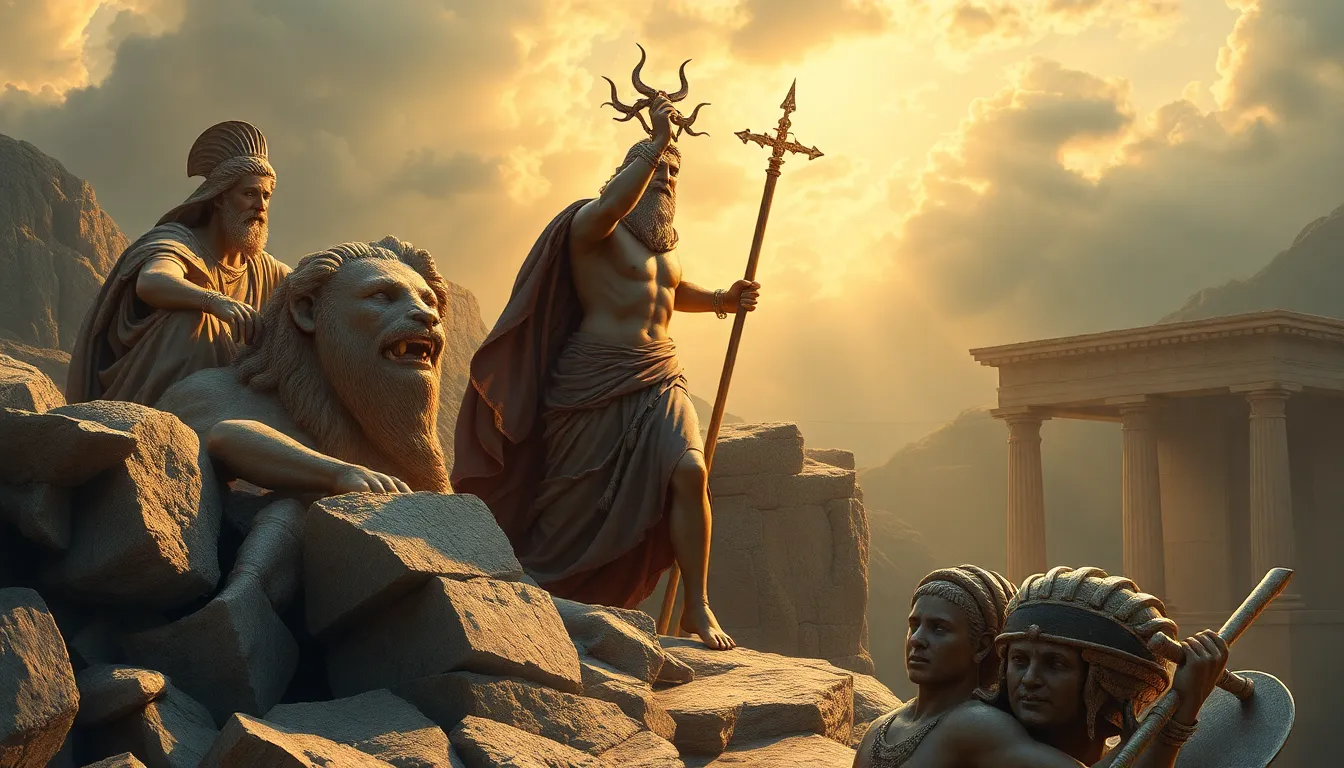
The Philosophical Implications of the Myth of Theseus
I. Introduction
The Myth of Theseus is one of the most significant narratives in ancient Greek mythology, illustrating the heroic journey of a young man who embodies the virtues and complexities of human nature. As a hero, Theseus performs extraordinary deeds, from slaying the Minotaur to becoming the king of Athens. The myth is not merely a tale of adventure but also serves as a reflection of the values and ideals of ancient Greek culture.
This article aims to explore the philosophical implications of the Myth of Theseus, delving into themes of identity, change, heroism, and the social contract. Understanding these elements provides insight into how ancient Greeks viewed the world and their place within it, as well as how these ideas continue to resonate in contemporary philosophical discourse.
II. The Myth of Theseus: A Brief Summary
The myth of Theseus is rich with significant events and characters that illustrate his journey. Key events include:
- His birth and early life in Athens.
- The journey to Crete to face the Minotaur.
- The slaying of the Minotaur and escape from the Labyrinth.
- His return to Athens and subsequent adventures.
- His role in establishing Athenian democracy and unity.
Key characters in the myth include:
- Theseus: The hero who embodies bravery and intelligence.
- Ariadne: The daughter of King Minos, who aids Theseus in his quest.
- King Minos: The ruler of Crete, representing tyranny.
- The Minotaur: A creature born of human and beast, symbolizing chaos.
The journey from Athens to Crete and back symbolizes the transition from youth to maturity, encapsulating the challenges and triumphs faced along the way. Theseus’ adventures reflect both personal growth and the broader implications of heroism in society.
III. Identity and the Ship of Theseus
One of the most profound philosophical questions raised by the myth of Theseus is encapsulated in the Ship of Theseus paradox. This thought experiment poses the question: if all the components of a ship are replaced over time, is it still the same ship?
This paradox leads to several philosophical inquiries surrounding identity:
- What constitutes the identity of an object or a person?
- Is identity tied to physical continuity, or can it exist despite change?
- How do experiences shape our identity over time?
The implications for personal identity over time are significant. As Theseus undergoes various trials and transformations, he raises questions about whether he remains the same person despite the changes he experiences. This reflection on identity is foundational for contemporary discussions in metaphysics and personal identity theory.
IV. The Concept of Change and Continuity
The myth of Theseus illustrates the nature of change as an inherent aspect of life. Theseus embodies change and growth through his adventures, facing numerous challenges that shape his character. The narrative suggests that change is not merely inevitable but essential for development.
Philosophical perspectives on continuity amidst change offer insights into how one can maintain a sense of self despite evolving circumstances. Key points include:
- The importance of memory and experience in shaping identity.
- The role of values and principles as constants amidst change.
- The idea that identity can be fluid, adapting to new situations while maintaining core aspects.
These themes resonate with existential philosophy, which emphasizes the individual’s journey and the continuous negotiation of identity in response to life’s challenges.
V. The Role of Heroism and Morality
Theseus is often celebrated as an archetypal hero, embodying traits such as courage, intelligence, and a sense of justice. His adventures serve to convey moral lessons and ethical dilemmas that reflect the complexities of heroism.
As Theseus navigates his journey, he faces various ethical dilemmas, including:
- Choosing to save others at personal risk.
- Confronting the consequences of his actions on those around him.
- Balancing personal desires with societal responsibilities.
The influence of Theseus on notions of heroism in philosophy is significant. He represents the ideal of a hero who not only seeks glory but also considers the moral implications of his actions. This duality enriches the discourse on ethics and heroism in philosophical thought.
VI. The Social and Political Implications
Theseus also serves as a symbol of Athenian democracy and unity. His myth reflects the values of cooperation, justice, and civic duty that were central to Athenian identity. By overcoming tyranny and establishing a more equitable society, Theseus embodies the aspirations of the Athenian people.
The myth’s reflection on societal values and governance can be summarized through several key points:
- Promotion of unity and collective identity over individualism.
- Encouragement of civic participation and responsibility.
- Emphasis on justice and the rule of law as foundations of society.
Lessons from the Myth of Theseus remain relevant in contemporary political philosophy, offering insights into the nature of leadership, governance, and the role of the citizen in a democratic society. The myth challenges us to consider how we can embody the principles of justice and unity in our own communities.
VII. Existential and Metaphysical Reflections
The exploration of existence and purpose is a central theme in the Myth of Theseus. His journey is not just a physical one but a metaphysical quest for meaning. Theseus faces the absurdity of fate, the challenges of his identity, and the quest for his place in the world.
Existentialist interpretations of Theseus’s journey highlight several aspects:
- The struggle against chaos and meaninglessness, as represented by the Minotaur.
- The search for authenticity amidst societal expectations.
- The realization of personal agency in shaping one’s destiny.
The myth’s relevance to modern existential thought lies in its exploration of the human condition, emphasizing the importance of individual choice and the search for meaning in an ever-changing world.
VIII. Conclusion
In summary, the Myth of Theseus encapsulates a multitude of philosophical implications that resonate across time and culture. From questions of identity and change to explorations of heroism and morality, the myth invites deep reflection on the human experience.
The enduring legacy of the Myth of Theseus in philosophy underscores its importance as a lens through which we can examine our values, choices, and the nature of our existence. As we engage with these ancient narratives, we find that they continue to offer valuable insights into the complexities of life and the pursuit of meaning.
Ultimately, the relevance of myth in understanding human experience lies in its ability to convey timeless truths and inspire us to reflect on our own journeys, challenges, and aspirations.