The Philosophical Significance of the Greek Myth of Atalanta
I. Introduction
The myth of Atalanta is one of the most compelling narratives in Greek mythology, encapsulating complex themes of identity, gender, and the human experience. Atalanta, a formidable huntress and athlete, defies the conventions of her time, embodying both the strength of independence and the complexities of societal expectations. Her tale is not only one of adventure but also a profound exploration of philosophical themes that resonate across centuries.
This article aims to delve into the philosophical significance of Atalanta’s myth, examining her character, the societal norms she challenges, and the enduring implications of her story in contemporary discourse. Through this exploration, we will uncover how Atalanta’s narrative serves as a lens through which we can examine issues of gender, choice, competition, love, and the relationship between nature and civilization.
II. The Life and Character of Atalanta
A. Brief summary of Atalanta’s story in Greek mythology
Atalanta, the daughter of Iasus, was abandoned at birth and raised by a she-bear, which instilled in her a deep connection to nature and independence. As she grew, she became a skilled huntress, known for her swift running and hunting prowess. Atalanta participated in several notable myths, including the Calydonian Boar Hunt, where she was the only woman among the hunters and played a crucial role in the hunt’s success.
Ultimately, Atalanta’s story intertwines with that of her suitors, particularly in the famous footrace. To avoid marriage, she sets a challenge: any man who wishes to marry her must outrun her in a race. The consequences of losing are dire—death. This race becomes a pivotal point in her narrative, highlighting her unique position in a male-dominated society.
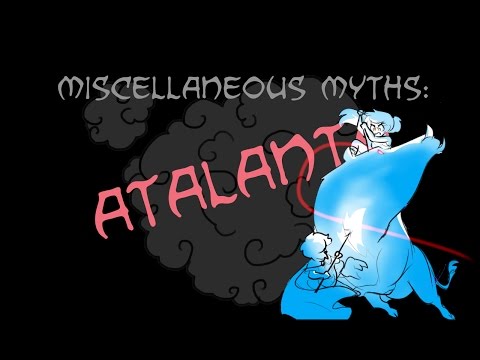
B. Analysis of her character traits: independence, strength, and defiance
Atalanta’s character is marked by a profound independence and strength, qualities that set her apart from the traditional women of her time. Her refusal to conform to societal expectations regarding marriage and femininity showcases her defiance against patriarchal norms. The following traits define Atalanta:
- Independence: Atalanta’s choice to remain unmarried and pursue her own path underscores her autonomy.
- Strength: Both physical and emotional, her strength allows her to navigate a world that often seeks to diminish women’s roles.
- Defiance: Atalanta challenges the status quo, refusing to be defined by the roles imposed on her by society.
III. Gender Roles and Feminism in Atalanta’s Narrative
A. Examination of traditional gender roles in ancient Greece
In ancient Greek society, women were often relegated to the domestic sphere, expected to marry, bear children, and support their husbands. The myth of Atalanta stands in stark contrast to these norms, presenting a female figure who actively engages in traditionally male pursuits such as hunting and racing.
B. Atalanta as a symbol of female empowerment and subversion of norms
Atalanta serves as a powerful symbol of female empowerment. Her ability to outpace her male suitors in the race not only showcases her physical prowess but also her refusal to adhere to the limitations placed on women. By asserting her own terms for marriage, she subverts traditional gender roles and challenges the societal expectations of her time.
This narrative can be viewed through a feminist lens, emphasizing the importance of choice and agency for women, which continues to resonate in contemporary discussions about gender equality.
IV. The Theme of Choice and Free Will
A. The significance of Atalanta’s choices in the myth
Atalanta’s story is deeply intertwined with the theme of choice. Her decision to race suitors instead of accepting them passively illustrates her desire for control over her destiny. This choice becomes a defining moment, allowing her to assert her autonomy while simultaneously engaging with the societal expectations of marriage.
B. Philosophical implications of free will versus destiny in her story
The tension between free will and destiny is a recurring theme in Greek mythology. Atalanta’s choices raise questions about the nature of agency: are her actions truly free, or are they influenced by the conventions of her society? This philosophical inquiry invites readers to reflect on the broader implications of free will in their own lives, particularly in relation to societal pressures and expectations.
V. The Concept of Competition and Its Philosophical Underpinnings
A. Exploration of the footrace and its symbolic meaning
The footrace in Atalanta’s myth serves as a crucial metaphor for competition and identity. This event is not merely a physical contest; it represents a struggle for agency and recognition. Atalanta’s challenge to her suitors signifies her refusal to be merely a prize to be won and underscores the significance of competition in defining one’s self-worth.
B. The relationship between competition, identity, and self-worth in Atalanta’s narrative
In Atalanta’s narrative, competition is linked to identity formation. The race is not just about speed; it is also about proving oneself against societal expectations. The outcome of the race—whether Atalanta or her suitor emerges victorious—impacts their identities and societal roles. This dynamic invites contemplation on how competition shapes individual identity and self-worth in contemporary society.
VI. The Role of Love and Desire
A. Analysis of Atalanta’s interactions with male suitors
Atalanta’s interactions with her male suitors reveal the complexities of love and desire within the context of societal expectations. Her suitors are drawn to her not only for her beauty but also for her strength and independence. However, their motivations often reveal underlying attitudes towards women, highlighting the tension between genuine affection and objectification.
B. Philosophical reflections on love, autonomy, and societal expectations
Atalanta’s narrative provokes philosophical reflections on the nature of love and autonomy. What does it mean to love someone who defies societal norms? How do societal expectations shape our understanding of love? Atalanta’s story encourages readers to consider the ways in which love can empower or constrain individuals within societal frameworks.
VII. The Intersection of Nature and Civilization
A. Atalanta’s connection to the wild and the natural world
Atalanta’s upbringing by a she-bear and her prowess as a huntress connect her deeply to the natural world. This relationship with nature symbolizes a primal strength and an intrinsic freedom that contrasts with the constraints of civilized society. Atalanta embodies the spirit of the wild, representing an ideal of unrestrained potential and authenticity.
B. Discussion on how the myth reflects the tension between nature and societal constructs
The myth of Atalanta illustrates the tension between nature and civilization. While Atalanta thrives in her natural state, the demands of societal norms seek to tame her spirit. This conflict raises philosophical questions about the nature of civilization itself: does it enhance or inhibit our true selves? Atalanta’s story challenges us to consider the balance between embracing our natural instincts and conforming to societal expectations.
VIII. Conclusion
In summary, the myth of Atalanta offers rich philosophical themes that resonate with contemporary discussions about identity, gender roles, choice, competition, love, and the relationship between nature and civilization. Atalanta stands as a powerful figure who embodies independence and defiance, challenging societal norms and inviting profound reflections on the nature of human existence.
Her narrative encourages us to explore our own identities, question societal constructs, and embrace the complexities of autonomy and agency. As we continue to engage with Atalanta’s story, it serves as a reminder of the enduring significance of myth in shaping our understanding of ourselves and the world around us.