The Philosophical Significance of the Greek Myth of the Furies
I. Introduction
The Furies, known as the Erinyes in Greek mythology, are formidable deities representing vengeance and retribution. Their presence in ancient Greek narratives underscores profound themes of justice, morality, and the human condition. This article aims to explore the philosophical implications of the Furies, delving into their origins, roles in mythology, and lasting influence on contemporary thought.
By examining the Furies, we can uncover the intricate themes of justice, vengeance, and morality that resonate throughout their stories, offering insights into the human psyche and societal values that persist even today.
II. The Origin and Role of the Furies in Mythology
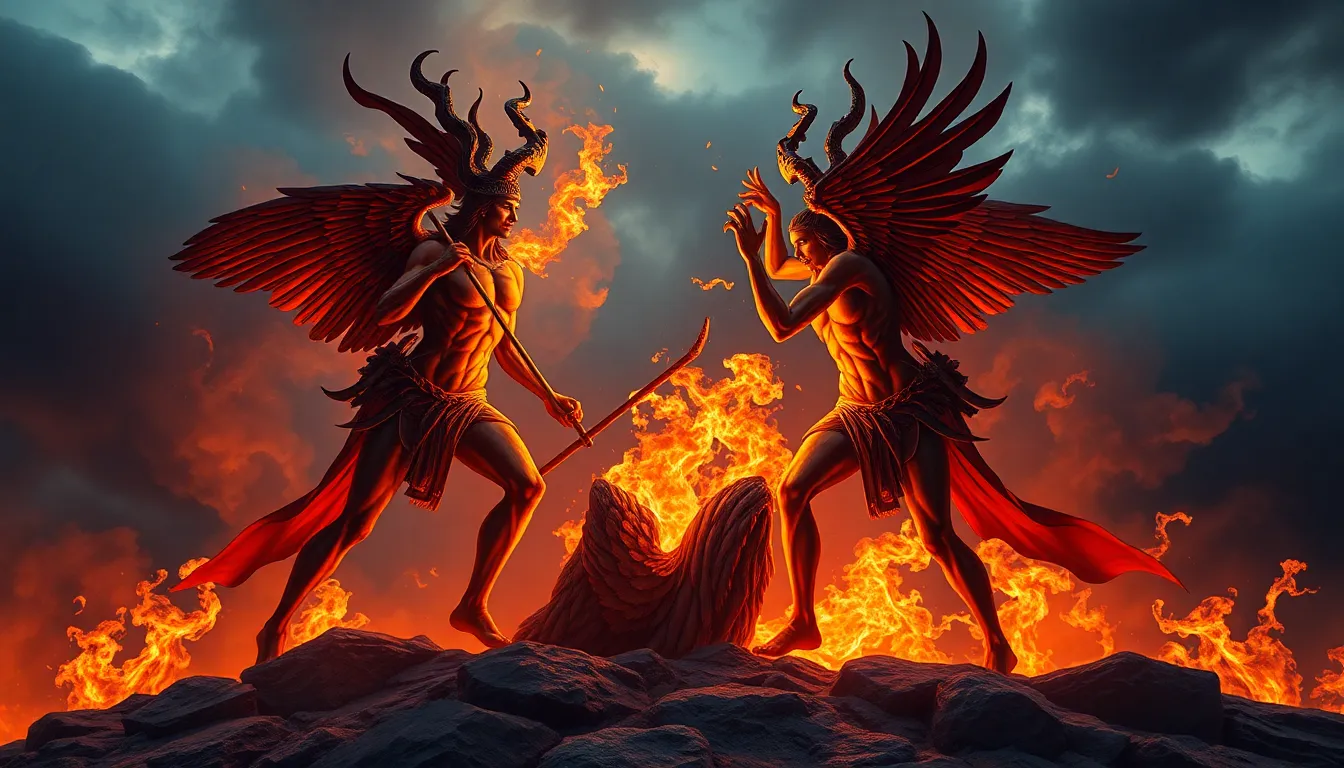
The Furies are often depicted as winged women with serpents entwined in their hair, embodying the relentless pursuit of wrongdoers. They emerged from the blood of Uranus when he was castrated by his son Cronus, symbolizing the deep-rooted nature of vengeance within the cosmos.
In mythology, the Furies play a pivotal role in the tale of Orestes, who avenges his father’s murder by killing his mother, Clytemnestra. This act sets off a cycle of vengeance, with the Furies pursuing Orestes, representing the inevitable consequences of his actions.
- Characteristics of the Furies:
- Representations of vengeance and justice.
- Fearsome and relentless in their pursuit of wrongdoers.
- Symbols of the moral order that governs human actions.
- Role in Myth:
- Agents of divine retribution.
- Enforcers of moral law and justice.
- Reflectors of the consequences of human actions.
The Furies symbolize the inescapable nature of wrath and retribution, illustrating the moral complexities of justice in human society.
III. The Concept of Justice in the Myth
The Furies serve as agents of divine justice, emphasizing the ancient belief in a moral order established by the gods. Their pursuit of Orestes raises questions about the nature of justice—both personal and communal. The tension between these two forms of justice is a recurring theme in Greek mythology, showcasing the struggles individuals face when their personal desires clash with societal norms.
In examining the Furies, we can identify key implications for understanding justice:
- Personal Justice: The Furies often represent the desire for individual retribution, reflecting a deep-seated need for personal vindication.
- Communal Justice: The Furies also embody the collective moral outrage of society, highlighting the necessity for societal order and harmony.
This dichotomy reveals the complexities embedded in concepts of justice, prompting reflection on how societies navigate the balance between individual desires and communal responsibilities.
IV. Vengeance and Its Consequences
As embodiments of vengeance, the Furies present a philosophical debate surrounding the notions of vengeance versus forgiveness. Their relentless pursuit of Orestes illustrates the dark side of revenge, where the desire for retribution can perpetuate a cycle of violence.
This cycle is not merely a narrative device but a philosophical inquiry into human behavior:
- The Nature of Vengeance: The Furies’ actions raise questions about the morality of revenge. Is it justified, or does it lead to further suffering?
- Forgiveness as an Alternative: The contrast between vengeance and forgiveness invites contemplation about the possibility of breaking free from cycles of violence.
The philosophical implications of vengeance extend beyond mythology, challenging individuals and societies to consider the consequences of their actions and the potential for reconciliation.
V. Morality and the Human Condition
The Furies serve as a reflection of human moral struggles, embodying the internal conflicts that arise from guilt, retribution, and the quest for justice. Their relentless pursuit of wrongdoers highlights the deep-seated human fear of moral failure and the consequences that follow.
In exploring the interplay between fate, free will, and moral responsibility, we can derive significant insights:
- Fate vs. Free Will: The Furies represent the deterministic aspect of justice—punishing those who transgress moral boundaries—while also raising questions about individual agency.
- Moral Responsibility: Their actions compel individuals to confront their moral choices and the weight of their decisions.
Through the lens of the Furies, we gain a deeper understanding of guilt, retribution, and the complexities of morality that define the human condition.
VI. The Transformation of the Furies
The evolution of the Furies into the Eumenides in Aeschylus’ “Oresteia” marks a significant transformation in their portrayal and philosophical significance. This metamorphosis reflects a shift from the harshness of vengeance to a more nuanced understanding of justice.
During the trial of Orestes, the Furies are rebranded as the Eumenides, or “Kindly Ones,” symbolizing the potential for forgiveness and reconciliation. This transformation holds profound significance:
- Philosophical Thought: It illustrates the transition from an archaic view of justice based solely on retribution to a more sophisticated legal framework that embraces compassion and understanding.
- Justice Redefined: The shift emphasizes the importance of societal healing over mere punishment, advocating for a justice system that fosters restoration rather than perpetuating cycles of violence.
This evolution prompts reflection on how societies can reconcile the need for justice with the ideals of mercy and forgiveness.
VII. The Furies’ Relevance in Modern Philosophy
The Furies continue to resonate in contemporary philosophical discourse, influencing moral philosophy and discussions surrounding justice and retribution. Their narratives prompt modern thinkers to grapple with age-old questions of morality and the human experience.
Key areas of relevance include:
- Contemporary Interpretations: The Furies are often invoked in discussions about moral obligation and societal accountability, highlighting the timeless nature of their themes.
- Justice and Retribution: Modern debates on criminal justice reform echo the tensions depicted in the stories of the Furies, questioning the effectiveness of punitive measures versus rehabilitative approaches.
- Legacy in Literature and Psychology: The Furies have inspired countless works across literature and psychology, serving as archetypes of guilt, vengeance, and moral conflict.
Through these connections, the Furies remain a powerful symbol in understanding the complexities of justice and morality in our contemporary world.
VIII. Conclusion
In exploring the philosophical themes surrounding the Furies, we uncover a rich tapestry of ideas related to justice, vengeance, and morality. Their narratives challenge us to reflect on the nature of our actions, the consequences of our choices, and the societal structures that govern our lives.
The lasting impact of the Furies on our understanding of justice and morality underscores the relevance of ancient myths in contemporary philosophical discourse. As we navigate the complexities of human behavior and societal norms, the lessons from the Furies continue to resonate, reminding us of the eternal struggle between vengeance and forgiveness, and the pursuit of true justice.