The Philosophical Significance of the Greek Myth of the Harpies
I. Introduction
The Harpies are fascinating creatures in Greek mythology, often depicted as winged spirits that embody the violent and tumultuous aspects of nature. Their presence in various myths highlights the complexity of the human experience, filled with chaos and emotion. Myths like that of the Harpies serve not just as stories, but as platforms for philosophical discourse, allowing us to explore profound questions about existence, morality, and the human condition.
This article aims to delve into the philosophical significance of the Harpies, examining their characteristics, roles in mythology, and the deeper meanings that can be gleaned from their narratives. By analyzing the Harpies through various philosophical lenses, we can uncover insights into chaos, fate, ethics, and human emotions.
II. The Harpies: Mythological Background
A. Description and characteristics of the Harpies
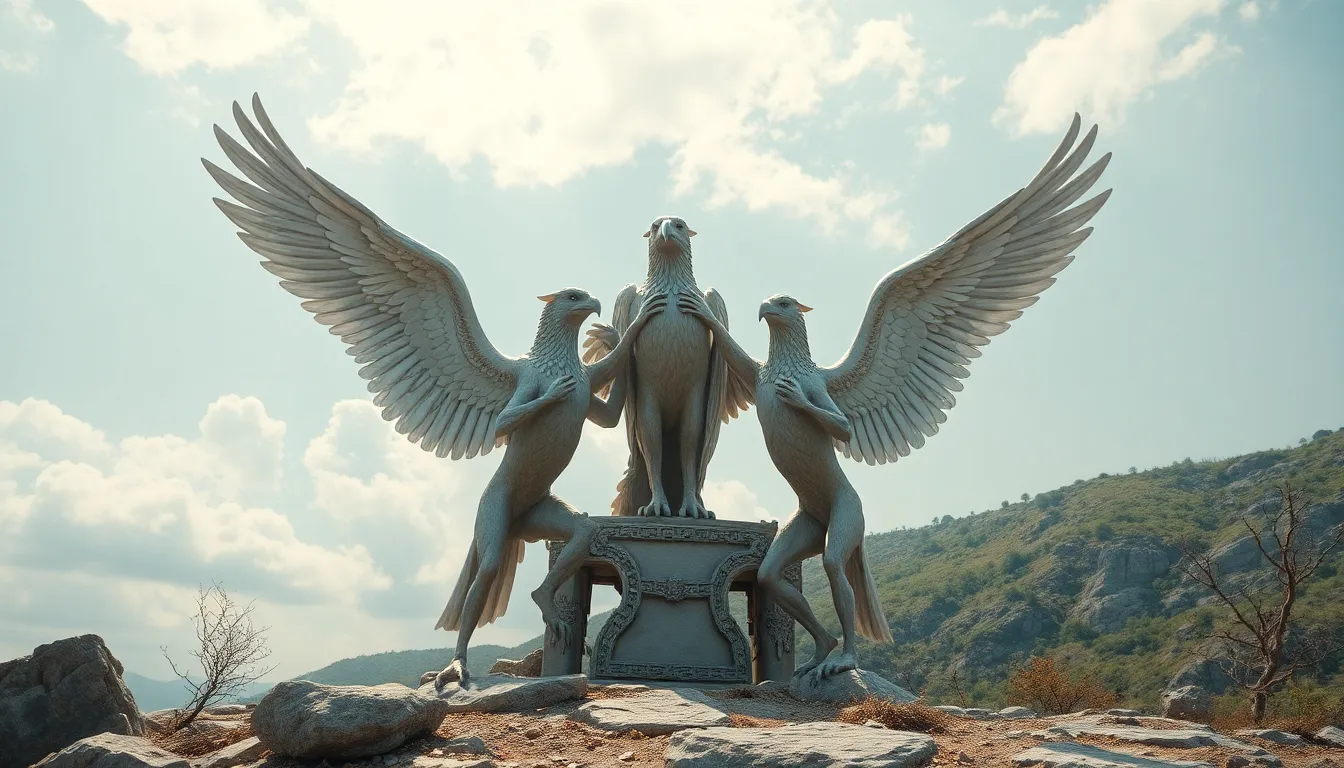
The Harpies are often described as winged women with sharp claws and a fierce demeanor. They are commonly associated with storms and winds, making them symbolic of the unpredictable forces of nature. In many stories, they are portrayed as agents of punishment, stealing away individuals or snatching away food, thereby embodying the idea of loss and retribution.
B. Role in Greek mythology and major narratives
The Harpies appear in several key myths, including the tale of the Argonauts, where they torment the blind prophet Phineas. Their role often involves inflicting suffering on those who have sinned or strayed from moral paths, serving as reminders of divine vengeance. In addition to their role as tormentors, they also have connections to themes of purification and redemption, as seen in the resolutions of their stories.
C. Symbolism associated with the Harpies
- Chaos: Representing the chaotic forces of nature.
- Retribution: Acting as agents of punishment for wrongdoers.
- Emotion: Symbolizing the turbulent emotions that can overwhelm individuals.
III. The Harpies as Symbols of Chaos and Disorder
A. Analysis of chaos in mythology
Chaos is a prominent theme in many mythologies, including Greek. It represents the formless void from which order emerges. The Harpies exemplify chaos by embodying uncontrollable forces that disrupt human lives and challenge the concept of order.
B. The Harpies’ representation of uncontrollable forces
The Harpies are often depicted as agents of chaos, swooping in unexpectedly to disrupt the lives of mortals. Their actions reflect the unpredictability of life and the inevitability of chaos in human existence. This disruption can serve as a metaphor for the struggles individuals face in the pursuit of stability amidst an unpredictable world.
C. Philosophical implications of chaos on human existence
Chaos raises significant philosophical questions about the nature of existence. It prompts us to consider:
- How do we find meaning in a chaotic world?
- What role does chaos play in shaping our identities?
- Can chaos lead to creativity and new beginnings?
Ultimately, the Harpies remind us that chaos is an intrinsic part of the human experience, challenging us to confront and navigate its complexities.
IV. The Intersection of Fate and Free Will
A. The Harpies’ role in the lives of mortals
The Harpies are often seen as instruments of fate, carrying out the will of the gods and ensuring that justice is served. Their interventions in the lives of mortals raise questions about the extent of human agency and the influence of fate on individual choices.
B. Discussion of fate versus free will in Greek philosophy
In Greek philosophy, the tension between fate and free will is a recurring theme. Philosophers like Aristotle and Plato grappled with the implications of predetermined destinies versus the capacity for human choice. The Harpies exemplify this struggle, as their actions often seem to dictate the fate of those they encounter.
C. How the Harpies illustrate the tension between human agency and destiny
By analyzing the interactions between the Harpies and mortals, we can explore the philosophical implications of choice and consequence. Do the Harpies represent an unavoidable fate, or do they serve as catalysts for human action? This interplay invites reflection on how individuals navigate their paths amidst external forces.
V. The Ethical Dimensions of the Harpies’ Actions
A. Examination of morality and ethics in the actions of the Harpies
The actions of the Harpies raise ethical questions about justice and punishment. Are they justified in their retribution, or do their actions reflect a form of excessive vengeance? This ethical dilemma invites us to consider the nature of justice in both myth and reality.
B. The concept of justice and retribution in Greek thought
In ancient Greek thought, justice was often closely tied to the concept of divine order. The Harpies, acting on behalf of the gods, embody a form of justice that is swift and unforgiving. This raises questions about the morality of such retribution and its impact on human lives.
C. Philosophical reflections on vengeance and its consequences
The Harpies’ actions serve as a cautionary tale about the consequences of vengeance. Their relentless pursuit of punishment illustrates the cycle of retribution that can ensnare both the avenger and the victim. This cycle prompts philosophical inquiries into the nature of forgiveness and the potential for redemption.
VI. The Harpies as Representations of Human Emotions
A. Exploration of fear, anger, and despair in relation to the Harpies
The Harpies evoke strong emotions, both in their victims and in those who witness their actions. They symbolize the darker aspects of human emotion—fear, anger, and despair—reminding us of the internal struggles we face when confronted with chaos and adversity.
B. The psychological significance of the Harpies’ portrayal
Psychologically, the Harpies can be seen as manifestations of our inner demons—those fears and anxieties that haunt us. Their violent nature reflects the tumultuous emotions that can overwhelm individuals, leading to a deeper understanding of the human psyche.
C. Insights into the human condition through the lens of mythology
Through the lens of mythology, the Harpies provide insights into the complexities of the human condition. They remind us that emotions are an integral part of our existence, shaping our experiences and influencing our actions.
VII. The Harpies in Contemporary Philosophical Thought
A. Modern interpretations of the Harpies in philosophy
In contemporary philosophical discussions, the Harpies have been reinterpreted as symbols of chaos and moral ambiguity. Their presence in modern narratives reflects ongoing struggles with ethical dilemmas and the nature of justice.
B. Relevance of the Harpy myth in contemporary ethical and existential discussions
The myth of the Harpies continues to resonate in contemporary thought, especially in discussions surrounding ethics and existentialism. Their actions prompt questions about the nature of morality, the consequences of vengeance, and the search for meaning in a chaotic world.
C. Case studies of philosophical texts referencing the Harpies
Several modern philosophers have referenced the Harpies in their works to illustrate points about chaos, morality, and the human condition. For example, the Harpies are often cited in discussions about the nature of retribution and justice, drawing parallels between ancient myths and contemporary ethical dilemmas.
VIII. Conclusion
A. Summary of the philosophical significance of the Harpies
The Harpies serve as powerful symbols of chaos, fate, and human emotion in Greek mythology. Their narratives invite profound philosophical exploration, revealing insights into the complexities of existence and the human condition.
B. The enduring legacy of Greek myths in philosophical discourse
Greek myths, including those of the Harpies, continue to inform philosophical discourse, offering timeless reflections on morality, justice, and the nature of human experience. The lessons drawn from these myths remain relevant, as they encourage us to confront the chaotic aspects of life and seek meaning amidst turmoil.
C. Final thoughts on the relevance of myth in understanding human experience
In conclusion, the myth of the Harpies challenges us to reflect on our own lives and the forces that shape our experiences. By engaging with these ancient narratives, we can gain valuable insights into our emotions, ethical dilemmas, and the search for purpose in an unpredictable world.