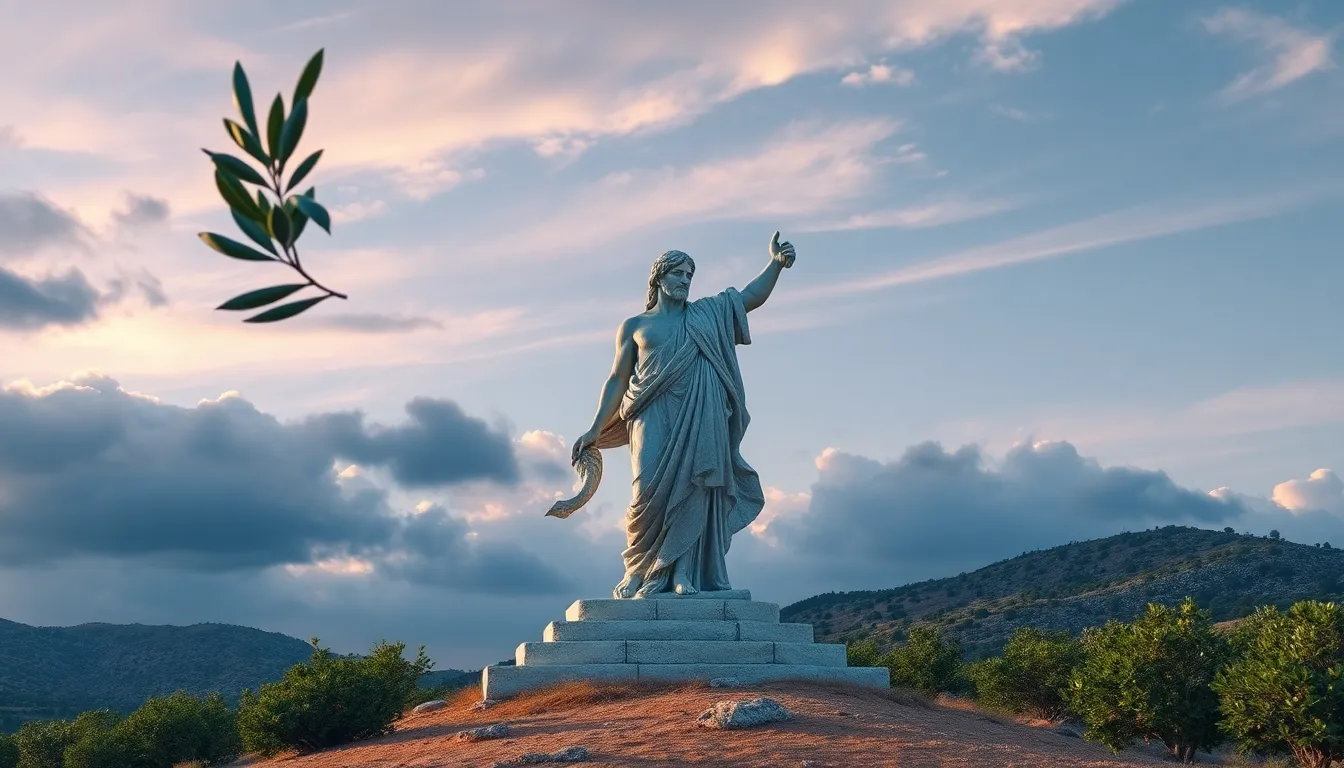
The Power of the Olive: Symbolism and Significance in Greek Mythology
I. Introduction
The olive tree holds a revered place in ancient Greek culture, symbolizing peace, prosperity, and divine favor. Its significance extends beyond mere agricultural value, deeply intertwined with mythology, religion, and daily life in ancient Greece. This article aims to explore the multifaceted symbolism and significance of the olive tree and its fruit, delving into its historical context, mythological narratives, and enduring legacy in both ancient and modern societies.
II. The Olive Tree in Ancient Greek Society
In ancient Greece, the olive tree was more than just a source of food; it was a cornerstone of the economy and a staple of the Greek diet. The cultivation of olives had profound agricultural and economic implications.
A. Economic and Agricultural Value of Olives
- Olive cultivation was a vital part of Greek agriculture, contributing significantly to the economy.
- Greeks developed extensive olive groves, becoming one of the largest producers of olives in the ancient world.
- Trade in olives and olive oil was crucial, with olive oil being a highly sought-after commodity.
https://www.youtube.com/watch?v=7x7MNbdeyJI
B. The Role of Olives in Greek Cuisine and Rituals
Olives were integral to Greek cuisine, often used in various dishes and served during communal meals. They were also central to numerous religious rituals and festivities.
- Olives were consumed as food and served alongside bread, cheese, and wine.
- They were used in sacrifices and offerings to the gods during religious ceremonies.
- Festivals such as the Panathenaea included olive oil as a central element of celebration.
C. Olive Oil as a Symbol of Wealth and Prosperity
Olive oil was not only a staple of everyday life but also a symbol of wealth and social status. The quantity and quality of olive oil produced were indicators of prosperity in ancient Greek society.
- Wealthy families often showcased their olive oil production as a sign of their affluence.
- Olive oil was used in cooking, cosmetics, and as a fuel for lamps, further enhancing its value.
III. Olive Trees in Greek Mythology
The olive tree is deeply embedded in Greek mythology, often symbolizing wisdom, peace, and divine intervention. One of the most famous myths involves the rivalry between two major deities.
A. The Story of Athena and Poseidon: The Origin of the Olive
According to myth, Athena and Poseidon competed for the patronage of the city of Athens. Poseidon struck the ground with his trident, producing a saltwater spring, while Athena offered the olive tree, representing peace and sustenance. The citizens chose Athena’s gift, leading to her becoming the city’s protector.
B. Symbolism of the Olive as a Gift from the Gods
The olive tree is seen as a divine gift, symbolizing the favor of the gods. This myth not only illustrates the importance of olives but also highlights their association with wisdom and prosperity.
C. The Olive as a Representation of Peace and Reconciliation
In various myths, the olive tree embodies peace and reconciliation. The offering of an olive branch has become a universal symbol of peace, originating from these ancient narratives.
IV. Olive Branch as a Universal Symbol
The olive branch has transcended its origins in Greek mythology to become a universal emblem of peace and victory.
A. The Olive Branch in Mythological Narratives
In addition to its associations with Athena, the olive branch appears in various stories symbolizing hope and restoration. It is often depicted in myths involving reconciliation between gods or mortals.
B. Association with Peace and Victory in Greek Culture
The olive branch was awarded to victors in the ancient Olympic Games, symbolizing triumph and honor. This connection further solidified its status as a representation of peace and achievement.
C. Modern Interpretations and Uses of the Olive Branch
Today, the olive branch continues to symbolize peace globally, used in various contexts from diplomatic negotiations to cultural expressions of harmony.
V. The Olive in Greek Religion and Rituals
The olive tree and its fruit played a significant role in Greek religious practices, from sacred spaces to rituals that invoked divine favor.
A. Olive Trees in Sacred Spaces and Temples
Olive trees were often planted in sacred groves and near temples, signifying their importance in worship and spirituality.
B. Ritual Offerings and Ceremonies Involving Olives
- Olives and olive oil were used in offerings to the gods during festivals and ceremonies.
- Rituals often included the anointing of statues with olive oil, symbolizing divine blessing.
C. The Olive as a Symbol of Divine Favor and Protection
In religious contexts, the olive tree was seen as a protector and a symbol of divine favor, reinforcing its significance in both mythology and daily life.
VI. Olive Oil and Its Divine Connections
Olive oil, derived from the fruit of the olive tree, held profound significance in Greek religious practices, representing health, vitality, and divine connection.
A. The Significance of Olive Oil in Religious Practices
Olive oil was central to numerous religious rituals, signifying purity and divine favor. It was used in various ceremonies to connect the physical and spiritual realms.
B. Use of Olive Oil in Anointing and Purification Rituals
Olive oil was commonly used for anointing individuals in rites of passage, such as births and marriages, symbolizing blessings and protection from the gods.
C. Olive Oil as a Symbol of Health and Vitality
- Olive oil was considered essential for maintaining health and well-being.
- It was often used in medicinal practices and dietary regimens, reinforcing its role as a symbol of life and vitality.
VII. Artistic Representations of the Olive
The olive tree and its fruit have been depicted in various forms of art, literature, and culture, showcasing their symbolic importance throughout history.
A. Depictions of Olive Trees and Branches in Ancient Art
Ancient pottery, sculptures, and frescoes often featured olive trees and branches, emphasizing their significance in daily life and mythology.
B. Olive Symbolism in Literature and Poetry
Many ancient poets referenced the olive tree as a symbol of peace, wisdom, and prosperity, showcasing its cultural relevance.
C. Influence of Olive Imagery in Modern Art and Culture
The imagery of the olive tree continues to inspire modern artists and writers, reflecting its lasting legacy as a symbol of peace and reconciliation.
VIII. Conclusion
The olive tree, with its rich symbolism and significance, has shaped ancient Greek culture and mythology in profound ways. From its economic and agricultural importance to its divine connections and representations of peace, the olive remains a powerful symbol. Its legacy endures, reminding us of the intricate relationship between nature, mythology, and humanity. As we reflect on the relevance of olive symbolism in contemporary society, we recognize its enduring power as a beacon of peace and prosperity.