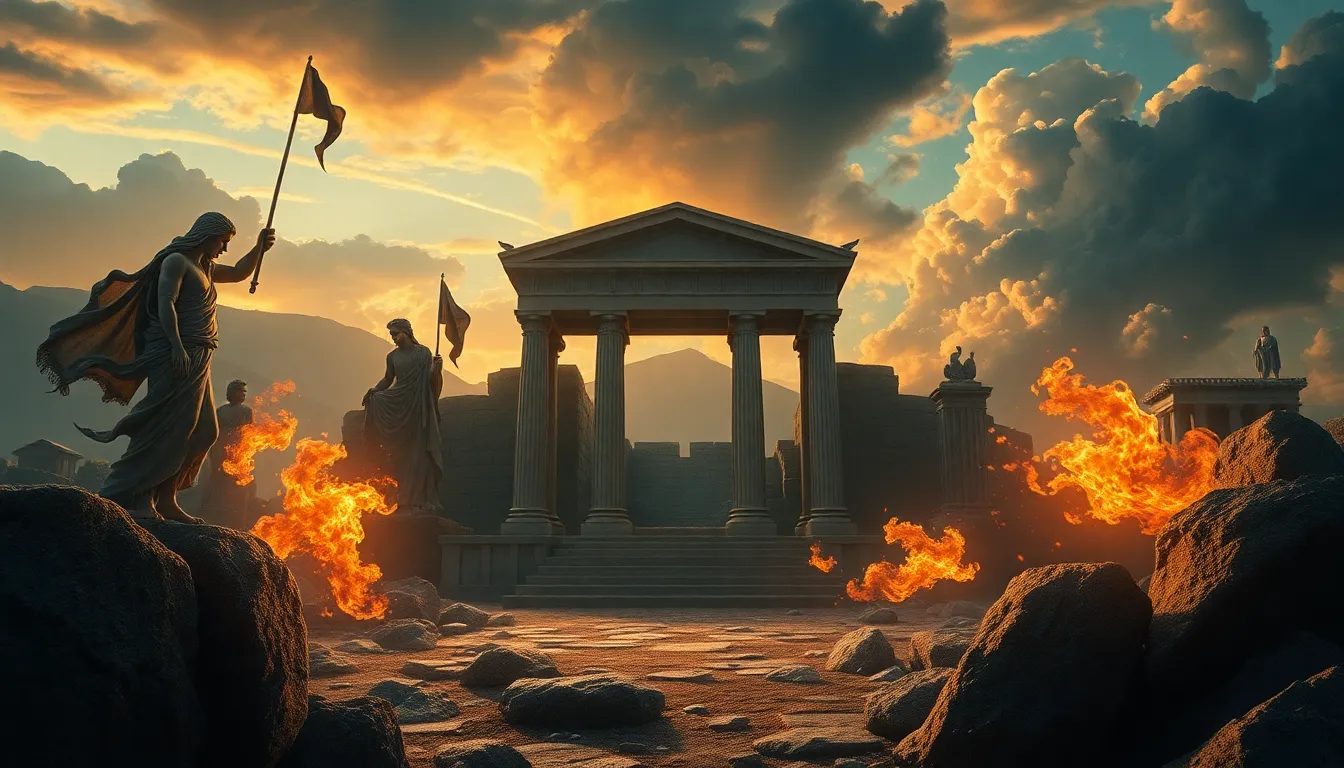
The Realm of Dreams: How Greek Myths Explain the Unconscious
I. Introduction to Dreams and the Unconscious
Dreams have fascinated humanity since the dawn of consciousness. These enigmatic experiences, often occurring during sleep, hold profound significance in our lives. They can evoke a myriad of emotions, reveal hidden fears, or inspire creativity. Understanding dreams requires delving into the depths of the unconscious mind, a concept that has intrigued philosophers and psychologists alike.
The unconscious mind refers to the part of our psyche that contains thoughts, memories, and desires that are not immediately accessible to our conscious awareness. It influences our behaviors and emotions in ways we may not fully understand. Exploring Greek myths offers a unique perspective on dreams and the unconscious, revealing how ancient cultures interpreted the mysterious realm of sleep and what it might mean for us today.
II. The Historical Context of Greek Mythology
Greek mythology is a rich tapestry of stories that emerged in ancient Greece, blending history, spirituality, and cultural values. These myths were not merely tales for entertainment; they served crucial functions in society, providing explanations for natural phenomena, moral lessons, and a sense of identity.
A. Origins of Greek myths and their cultural importance
The origins of Greek myths can be traced back to oral traditions and the collective imagination of ancient peoples. They evolved over centuries, influenced by various cultures and historical events. Myths were often documented by poets like Homer and Hesiod, who articulated the beliefs and values of their time.
B. The role of mythology in ancient Greek society
Mythology played a vital role in ancient Greek society, serving as a means of understanding the world and humanity’s place within it. Myths were deeply interwoven with religion, art, and education, shaping the moral and ethical frameworks of the community.
C. Connection between myths and psychological concepts
As modern psychology began to emerge, scholars found striking parallels between mythological narratives and psychological concepts. The stories often reflect deep-seated human emotions, archetypes, and conflict, making them relevant in understanding the unconscious mind.
III. Key Figures in Greek Mythology Related to Dreams
A. Morpheus: The God of Dreams
Morpheus is one of the most significant deities associated with dreams in Greek mythology. He is often depicted as a figure capable of taking any human form in dreams, allowing him to convey messages and emotions from the gods.
1. Role in shaping dreams
Morpheus’s primary role is to shape the dreams of mortals, delivering visions that can inspire hope, fear, or clarity. He is often seen as a guide through the dream world, navigating the complex emotions and experiences that dreams evoke.
2. Symbolism and interpretations
The symbolism associated with Morpheus includes the duality of dreams: they can be both beautiful and terrifying. He represents the thin veil between reality and the unconscious, illustrating how dreams can blur the lines between the two.
B. Hypnos: The God of Sleep
Hypnos, the personification of sleep, is another key figure in the realm of dreams. He is often depicted as a gentle figure who brings rest and tranquility to the weary.
1. Influence on the dream state
Hypnos plays a crucial role in facilitating the dream state, allowing individuals to enter a realm where the unconscious can emerge. His influence is vital for the process of dreaming, as sleep is a prerequisite for experiencing dreams.
2. Relationship to the unconscious mind
Hypnos represents the unconscious itself—the deep, often unexplored part of ourselves that can reveal truths through dreams. His presence in mythology underscores the importance of sleep as a gateway to self-discovery and introspection.
IV. Themes of Dreams in Greek Myths
A. Prophetic Dreams: Messages from the Gods
Many Greek myths feature prophetic dreams that serve as divine messages. These dreams often guide heroes on their quests, revealing crucial information or warnings about future events.
B. Nightmares and Their Significance
Nightmares in Greek mythology often symbolize inner turmoil or unresolved conflicts. They can represent fears that must be confronted, illustrating how dreams can act as mirrors to our waking life struggles.
C. The Hero’s Journey: Dreams as Catalysts for Change
In many stories, dreams act as catalysts for personal transformation. Heroes often receive visions that compel them to embark on quests or confront their deepest fears, reflecting the journey of self-discovery inherent in the human experience.
V. Psychological Interpretations of Greek Myths
A. Carl Jung and the Archetypes
Carl Jung’s theories on the collective unconscious and archetypes resonate deeply with Greek mythology. Jung believed that myths encapsulate universal themes and symbols that reflect shared human experiences.
B. Sigmund Freud’s Dream Theory
Sigmund Freud’s exploration of dreams as expressions of repressed desires aligns with many mythological narratives. According to Freud, dreams can reveal hidden aspects of the self, much like the revelations found in myths.
C. Comparative analysis of mythological narratives and modern psychology
By comparing mythological stories with modern psychological theories, we gain insights into the nature of the unconscious. Both realms reveal the complexity of human emotions and the significance of dreams in understanding ourselves.
VI. Dreams as Portals to the Unconscious
A. Symbolism in Dreams: Interpreting Mythological Imagery
The imagery found in dreams often echoes the symbols present in Greek mythology. Analyzing these symbols can provide deeper insights into our unconscious mind, shedding light on our fears, desires, and aspirations.
B. The Role of the Subconscious in Myth-Making
The subconscious mind plays a pivotal role in the creation of myths. Just as dreams reflect our innermost thoughts, myths encapsulate collective experiences, offering a glimpse into the human psyche.
C. Dreams as Reflections of Inner Conflicts and Desires
Many dreams serve as reflections of our internal struggles and unfulfilled desires. By examining the connections between dreams and mythological stories, we can better understand the complexities of our own emotions.
VII. The Legacy of Greek Myths in Contemporary Understanding of Dreams
A. Influence on modern literature and art
The themes and figures of Greek mythology continue to influence literature and art today. Many contemporary works draw inspiration from these ancient tales, using dream imagery and mythological references to explore the human experience.
B. Continued relevance in psychological practices
Greek myths remain relevant in psychological practices, particularly in dream analysis and therapy. The archetypes and narratives found in these myths provide valuable tools for understanding personal and collective experiences.
C. Myths as a lens for interpreting personal and collective dreams
By viewing personal dreams through the lens of Greek mythology, individuals can uncover deeper meanings and connections to universal human experiences. This approach can enhance self-awareness and promote healing.
VIII. Conclusion
The exploration of dreams through the lens of Greek mythology reveals profound connections between ancient narratives and the unconscious mind. The figures of Morpheus and Hypnos, the themes of prophetic dreams and nightmares, and the psychological interpretations of these myths all contribute to our understanding of dreams as reflections of our innermost selves.
As we reflect on the enduring power of mythology, we recognize its significance in illuminating the complexities of human experience. Greek myths offer timeless wisdom that encourages us to explore our own dreams and the messages they may hold, inviting us to embark on our journeys of self-discovery.
In a world where the unconscious remains largely mysterious, the ancient wisdom of Greek mythology serves as a valuable guide, reminding us of the importance of dreams in navigating the depths of our psyche.