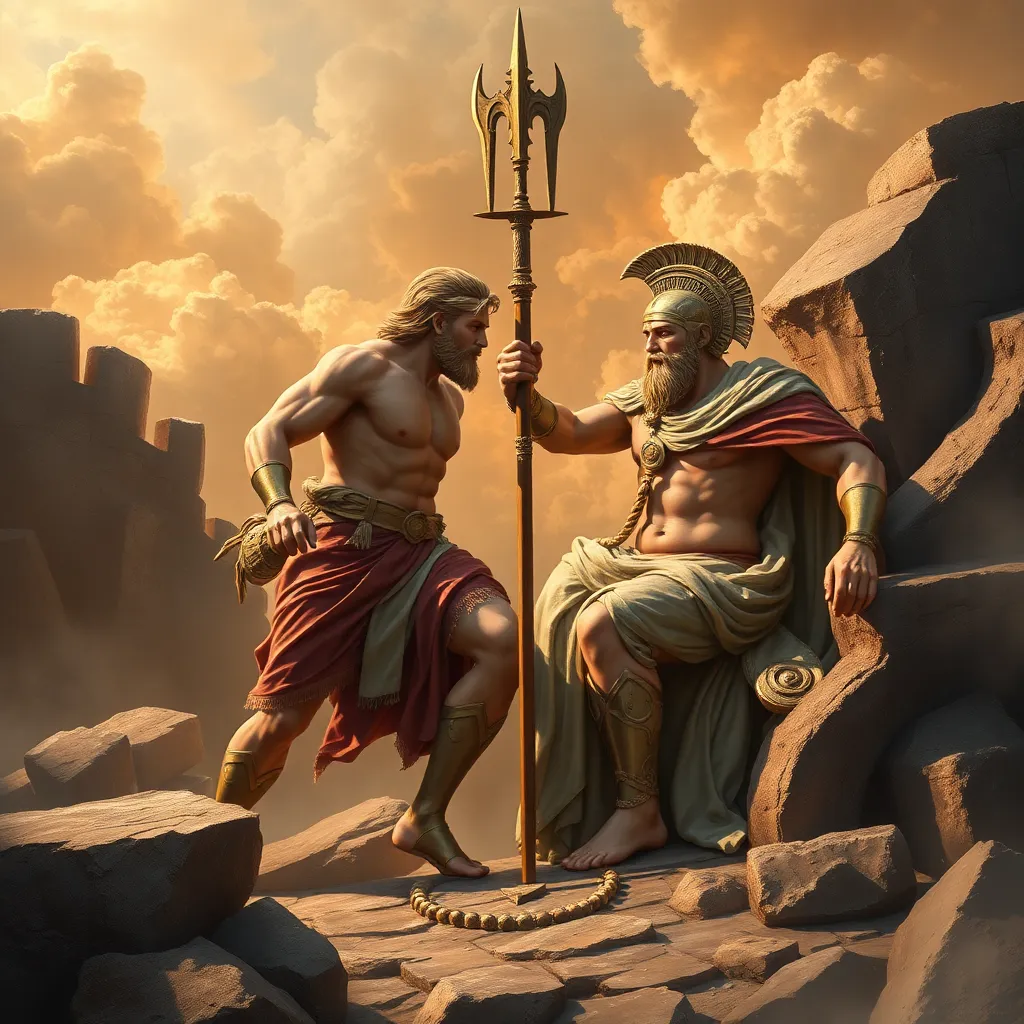
The Relationship Between Achilles and Fate: A Mythological Perspective
I. Introduction
Achilles, one of the most iconic figures in Greek mythology, is best known as the central character in Homer’s epic poem, the Iliad. His extraordinary strength, martial prowess, and complex personality have captured the imaginations of countless generations. However, Achilles’ story is not just one of heroism; it intertwines deeply with the concept of fate, an essential aspect of ancient Greek beliefs. This article aims to explore the intricate interplay between Achilles and fate, shedding light on how destiny shapes the narrative of this legendary hero.
II. Achilles: The Hero of the Iliad
Achilles is a demigod, the son of the mortal king Peleus and the sea goddess Thetis. His background is steeped in myth, and his character embodies the ideals and flaws of a heroic figure. Throughout the Trojan War, Achilles emerges as a formidable warrior whose prowess on the battlefield is unmatched. His role in the war is pivotal, as he leads the Myrmidons against the Trojans, driven by a fierce sense of honor and loyalty.
Key attributes that define Achilles include:
- Strength: Renowned for his near-invincible combat skills.
- Honor: His sense of pride and honor drives many of his actions and decisions.
- Vulnerability: His only weakness, his heel, symbolizes the fragility of even the strongest heroes.
III. Understanding Fate in Greek Mythology
In Greek mythology, fate, known as Moira, represents a predetermined course of events that is often beyond human control. The Moirai, or Fates, are three sister deities who weave the threads of life, determining the destinies of gods and mortals alike. They are:
- Clotho: The spinner of the thread of life.
- Lachesis: The measurer of the thread, determining the length of life.
- Atropos: The cutter of the thread, signifying death.
The concept of fate raises important questions about predestination versus free will. While many Greek heroes have the agency to make choices, their paths are often influenced by the inexorable force of fate.
IV. The Prophecy of Achilles
Achilles is bound by a prophecy that foretells his life and death. It is said that he can choose between a long, uneventful life or a short life filled with glory and everlasting fame. This prophecy creates a profound internal conflict for Achilles as he grapples with the implications of his choices.
Upon learning of this prophecy, Achilles reacts with a mix of acceptance and defiance. He understands that embracing his fate means risking his life for glory, yet this choice also reflects his desire for honor and remembrance. The dichotomy of glory versus mortality is a central theme in Achilles’ story, highlighting the heroic ideal in ancient Greece.
V. The Tension Between Free Will and Fate
Achilles’ journey is marked by choices that carry significant consequences. While he possesses the ability to make decisions, these choices often lead him further along the path laid out by fate. The influence of divine intervention is also evident, as gods frequently meddle in the affairs of mortals, guiding or thwarting their desires.
Several instances reflect Achilles’ defiance against fate, including:
- His withdrawal from battle, which has dire consequences for his comrades.
- His deep bond with Patroclus, which drives him to re-enter the fray.
- His confrontation with Hector, where he seeks vengeance for Patroclus’s death.
VI. Key Moments Reflecting Achilles’ Relationship with Fate
Several pivotal moments in the Iliad encapsulate Achilles’ complex relationship with fate:
A. The Choice Between a Long Life and Eternal Glory
Achilles ultimately chooses the path of glory, leading to his early demise but ensuring his name lives on through history. This choice exemplifies the heroic ideal that was celebrated in ancient Greek culture.
B. The Death of Patroclus and Its Implications for Fate
The death of Patroclus acts as a catalyst for Achilles, forcing him to confront his fate head-on. It propels him back into battle, demonstrating how personal loss can intertwine with the broader themes of destiny and revenge.
C. Achilles’ Confrontation with Hector and Acceptance of Destiny
In his climactic duel with Hector, Achilles embodies the tragic hero. He confronts his own fate, acknowledging the inevitability of death while simultaneously asserting his strength and will. This moment is pivotal, as it signifies his acceptance of the heroic path he has chosen.
VII. The Legacy of Achilles and Fate
Achilles’ story has left an indelible mark on literature and art, influencing countless works throughout history. His struggles with fate continue to resonate, prompting discussions about the nature of heroism and the human condition.
Philosophically, Achilles’ fate raises questions about:
- The nature of free will versus determinism.
- The value of honor and glory in the face of mortality.
- The impact of personal choices within the constraints of fate.
His legacy remains relevant today, as audiences grapple with their struggles against the forces that shape their lives.
VIII. Conclusion
This exploration of Achilles’ relationship with fate reveals the enduring themes of heroism, choice, and destiny that permeate Greek mythology. Achilles embodies the struggle against predetermined outcomes, showcasing the complexity of human experience in the face of fate.
In summary, the story of Achilles serves as a poignant reminder of the interplay between free will and destiny, reflecting the timeless human quest for meaning and significance. As a symbol of both strength and vulnerability, Achilles continues to inspire and provoke thought, reminding us of the universal struggle against the inevitability of fate.