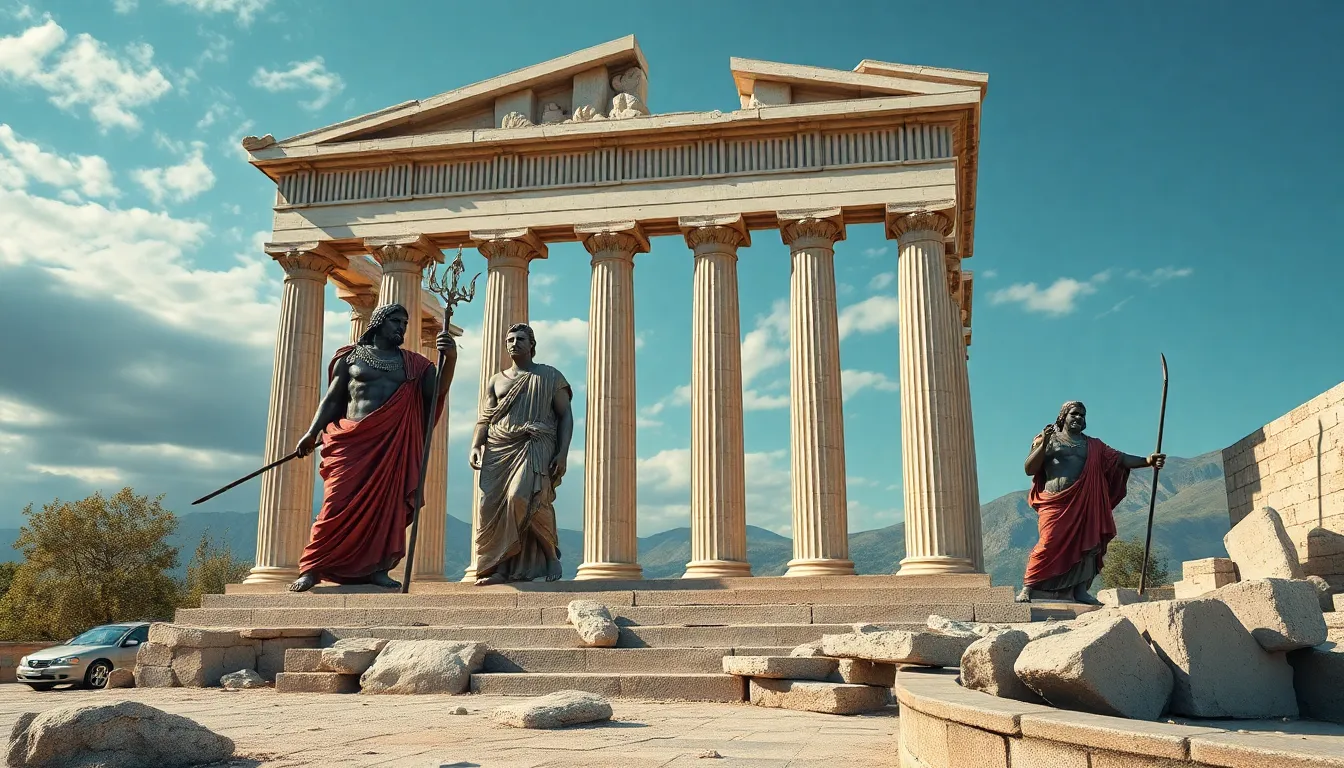
The Relevance of Greek Myths in Today’s Cultural Critique
I. Introduction
Greek myths are ancient stories that played a crucial role in shaping the cultural and religious landscape of ancient Greece. These narratives, filled with gods, heroes, and fantastical creatures, served various functions, including explaining natural phenomena, imparting moral lessons, and providing entertainment. With their rich symbolism and profound themes, Greek myths continue to resonate in contemporary culture, influencing literature, art, and social commentary.
This article aims to explore the enduring relevance of Greek myths in modern cultural critique. By examining their historical context, universal themes, and influence on contemporary storytelling, we will uncover how these ancient narratives provide a lens through which we can analyze and critique today’s societal issues.
II. Historical Context of Greek Myths
A. Origins and functions of Greek mythology in ancient society
Greek mythology originated in the oral traditions of ancient Greece, where stories were passed down through generations. These myths served several key functions:
- Religious significance: Myths were integral to the religious practices of the Greeks, offering explanations for the existence of gods and the natural world.
- Education: They imparted moral lessons and societal values, helping to shape the character of individuals in society.
- Entertainment: Myths provided entertainment through dramatic storytelling and performances, particularly in the context of theater.

B. Key themes and characters in Greek myths
Greek mythology features a diverse array of characters and themes, including:
- Gods and goddesses: Prominent figures such as Zeus, Hera, Athena, and Apollo represent various aspects of life and nature.
- Heroes: Characters like Hercules, Perseus, and Odysseus embody traits of bravery, intelligence, and resilience.
- Themes of love, revenge, and fate: These recurring themes highlight the complexities of human experience and the consequences of actions.
C. The transmission of Greek myths through literature and art
Greek myths have been preserved and transmitted through various forms of literature and art, including:
- Epic poems: Works such as Homer’s “Iliad” and “Odyssey” are foundational texts that narrate the exploits of heroes and gods.
- Tragedies: Playwrights like Aeschylus, Sophocles, and Euripides used myths to explore human suffering and moral dilemmas.
- Visual arts: Pottery, sculptures, and paintings often depicted mythological scenes, reinforcing their cultural significance.
III. Universal Themes in Greek Myths
A. Exploration of human nature and morality
Greek myths delve deep into the complexities of human nature. They explore moral dilemmas faced by characters, presenting scenarios where choices lead to profound consequences. This exploration encourages audiences to reflect on their own values and ethics.
B. The role of fate and free will
One of the most significant themes in Greek mythology is the tension between fate and free will. Characters like Oedipus grapple with prophecies and predetermined destinies, prompting questions about the extent of human agency and the forces that shape our lives.
C. The portrayal of power dynamics and social structures
Myths often reflect the social hierarchies and power dynamics of ancient Greek society. They depict interactions between gods and mortals, highlighting issues of authority, governance, and societal norms.
IV. Greek Myths in Modern Literature and Art
A. Influence on contemporary storytelling and narrative techniques
Greek myths have profoundly influenced modern storytelling. Contemporary authors and filmmakers draw on mythological themes and structures to enrich their narratives:
- Hero’s journey: Many modern stories, from “Star Wars” to “The Lord of the Rings,” follow the archetypal hero’s journey, a concept rooted in myth.
- Intertextuality: Writers often reference Greek myths to create layers of meaning and connect their works to a broader literary tradition.
B. Examples of modern adaptations and reinterpretations
Numerous adaptations of Greek myths exist in contemporary culture:
- Books: Madeline Miller’s “Circe” and “The Song of Achilles” reimagine characters and stories, providing fresh perspectives.
- Films: Movies like “Clash of the Titans” and “Troy” reinterpret ancient tales for modern audiences.
- Television: Series like “Hercules: The Legendary Journeys” and “Olympus” explore mythological themes in episodic formats.
C. The use of mythological symbols in visual arts
Visual artists continue to draw inspiration from Greek mythology, employing symbols and themes in their work. For instance, the depiction of gods, goddesses, and mythological creatures can be seen in contemporary paintings, sculptures, and installations, often conveying deeper societal commentary.
V. Greek Myths as a Tool for Cultural Critique
A. Analyzing societal issues through the lens of mythology
Greek myths provide a framework for analyzing modern societal issues. They can be used to critique:
- Gender roles: Myths often depict women in complex roles, allowing for discussions about femininity and power.
- Social justice: The conflicts and moral lessons within myths can highlight issues of inequality and injustice.
- Environmental concerns: Myths related to nature and the gods can serve as metaphors for modern environmental crises.
B. Case studies of modern critiques inspired by Greek myths
Several contemporary works draw directly from Greek mythology to address current issues:
- Margaret Atwood’s “The Penelopiad”: This retelling of the “Odyssey” from Penelope’s perspective critiques gender dynamics and the notion of loyalty.
- Chimamanda Ngozi Adichie’s “The Thing Around Your Neck”: This collection addresses identity and cultural displacement, often echoing themes found in Greek myths.
C. The role of myths in addressing themes of identity, gender, and ethics
Myths serve as powerful narratives for exploring identity and ethics. By engaging with these stories, individuals can reflect on their own identities and the moral responsibilities they carry in society.
VI. The Psychological Impact of Greek Myths
A. Archetypes and their relevance in modern psychology
Psychologists often reference archetypes derived from Greek mythology to explain human behavior and personality. Figures like the Hero, the Caregiver, and the Trickster offer frameworks for understanding different aspects of human experience.
B. The mythological framework in understanding personal and collective experiences
Myths can provide a narrative structure for individuals grappling with personal challenges. They can help people make sense of their experiences and connect them to universal human themes.
C. Examples of therapeutic uses of mythology in contemporary settings
Therapists and counselors sometimes integrate mythology into their practices:
- Mythic storytelling: Clients may explore personal narratives through the lens of myth to gain insights into their struggles.
- Group therapy: Mythological themes can foster discussions about shared experiences and collective healing.
VII. The Resurgence of Interest in Greek Myths
A. Factors contributing to the revival of Greek mythological themes in popular culture
Several factors have led to a resurgence of interest in Greek myths:
- Globalization: Increased access to diverse cultures and stories has revived interest in ancient narratives.
- Education: The incorporation of mythology in academic curricula has maintained its presence in scholarly discussions.
- Entertainment industries: The popularity of blockbuster films and television series has reintroduced myths to new audiences.
B. The role of social media and digital platforms in myth dissemination
Social media platforms