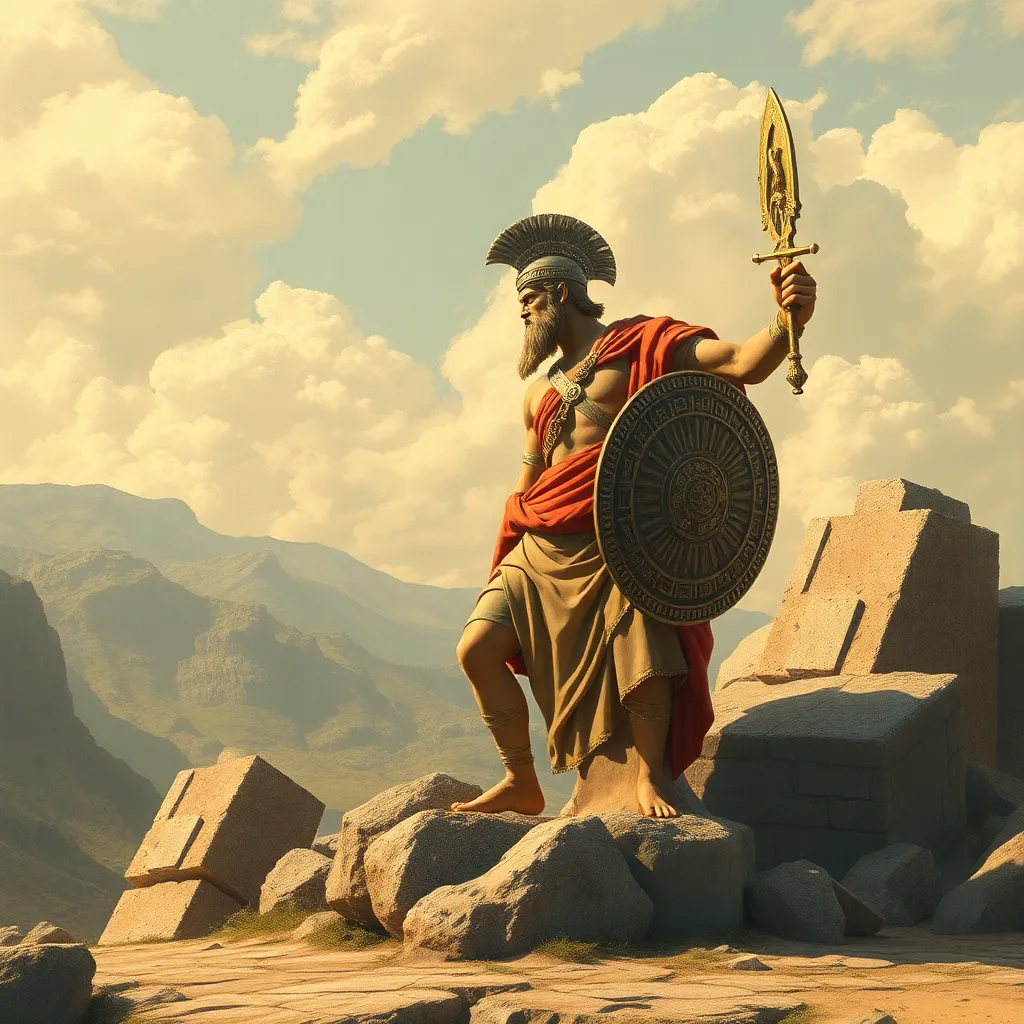
The Role of Achilles in Shaping Greek Mythological Narratives
I. Introduction
Greek mythology is a rich tapestry of tales that explores the nature of gods, heroes, and humanity. It serves not only as entertainment but also as a means to understand the cultural values and beliefs of ancient Greece. Among the most prominent figures in this mythology is Achilles, a hero renowned for his exceptional prowess in battle and his complex character.
Achilles stands as a central figure in the narrative of the Trojan War, embodying the archetype of the warrior hero while grappling with profound themes of honor, pride, and mortality. His significance extends beyond individual tales; he shapes the very fabric of Greek mythological narratives, influencing perceptions of heroism and tragedy.
II. Historical Context of Achilles in Greek Mythology
The myth of Achilles has its origins in early Greek oral traditions, where stories were passed down through generations before being immortalized in written form. The backdrop of Achilles’ exploits is the Trojan War, a legendary conflict that has captivated audiences for centuries. This war, fought between the city of Troy and the Greek states, serves as the perfect setting for exploring themes of love, betrayal, and the consequences of pride.
Key sources documenting Achilles’ stories include Homer’s epic poems, the “Iliad” and the “Odyssey.” These texts not only detail the exploits of Achilles but also delve into his character, relationships, and the larger implications of his actions. Later adaptations, including works by playwrights like Euripides and Virgil, further expanded upon his legacy, ensuring that Achilles remained a pivotal figure in the annals of Greek mythology.
III. Achilles’ Characteristics and Archetypes
Achilles embodies the quintessential warrior hero archetype. He is characterized by extraordinary strength, unmatched combat skills, and an unwavering commitment to honor. However, his story also illustrates the complexities of heroism.
- Themes of Honor: Achilles is driven by a desire for glory and recognition, leading him to make pivotal choices that define his character.
- Pride and Rage: His pride often manifests in rage, particularly when he feels slighted or disrespected, which ultimately drives much of the narrative in the “Iliad.”
- Mortal and Divine Attributes: The duality of Achilles is evident in his lineage; he is the son of the mortal king Peleus and the sea nymph Thetis, granting him both human vulnerabilities and divine capabilities.
IV. Key Myths Involving Achilles
Several key myths illustrate Achilles’ significant role within Greek mythology, with the “Iliad” being the most prominent.
A. The Iliad: Achilles’ Role and Significance
In the “Iliad,” Achilles is portrayed as both the mightiest Greek warrior and a deeply flawed individual. His conflict with Agamemnon, the leader of the Greek forces, leads to his withdrawal from battle, which has dire consequences for the Greek army and ultimately prolongs the war.
B. The Story of Achilles and Patroclus
The bond between Achilles and his close companion Patroclus is central to his story. Patroclus’ death at the hands of Hector ignites Achilles’ rage, leading him back into battle and showcasing the personal cost of war and the deep emotional currents that define his character.
C. The Myth of Achilles’ Heel and Its Implications
The famous tale of Achilles’ heel symbolizes vulnerability despite apparent invincibility. The legend states that Thetis dipped Achilles into the River Styx to make him invulnerable, but his heel, where she held him, remained susceptible. This myth serves as a metaphor for the flaws and weaknesses that can accompany even the greatest heroes.
V. Achilles as a Symbol of Heroism and Tragedy
Achilles is often celebrated for his heroism in battle; however, his actions also reveal the tragic consequences of unchecked pride and rage. His choices lead to significant loss, including the death of Patroclus and ultimately his own demise.
- Heroism in Battle: Achilles’ unparalleled skill and bravery make him a symbol of martial excellence, but his journey also invites reflection on the cost of such heroism.
- Tragic Flaws: Achilles’ pride and susceptibility to rage highlight his tragic flaws, rendering him a complex figure whose actions lead to both glory and suffering.
- Impact of Choices: The repercussions of Achilles’ decisions resonate throughout the narrative, illustrating the interconnectedness of choices and fate in Greek mythology.
VI. Influence of Achilles on Later Literary Works
The legacy of Achilles extends far beyond ancient texts, influencing countless literary works across generations. His character has been reinterpreted in classical literature, with authors often exploring different facets of his personality and experiences.
A. Reinterpretations in Classical Literature
Writers like Euripides and Virgil have drawn on Achilles’ character to explore themes of love, honor, and the human condition, reshaping his narrative to fit different contexts.
B. Achilles in Modern Adaptations
In contemporary culture, Achilles continues to inspire adaptations in film, literature, and art. Movies like “Troy” and novels such as Madeline Miller’s “The Song of Achilles” reimagine his story for modern audiences, highlighting the timeless relevance of his character.
C. The Lasting Legacy of Achilles in Contemporary Culture
Achilles remains a symbol of both heroism and vulnerability, reminding us of the complexities inherent in the human experience. His story resonates in discussions of leadership, sacrifice, and the duality of human nature.
VII. Comparative Analysis: Achilles and Other Mythological Heroes
When comparing Achilles to other mythological heroes like Heracles and Odysseus, similarities and differences emerge that highlight his unique position.
A. Similarities with Heroes like Heracles and Odysseus
- All three heroes exhibit superhuman abilities and face formidable challenges.
- Each hero’s journey involves personal growth and the exploration of moral dilemmas.
B. Differences in Narrative Arcs and Themes
While Heracles embodies the theme of redemption and Odysseus represents cunning and intelligence, Achilles is primarily driven by honor and the pursuit of glory, showcasing a more straightforward heroic narrative.
C. The Unique Position of Achilles
Achilles’ narrative embodies a blend of heroism and tragedy, setting him apart as a figure whose story encapsulates the complexities of the human condition.
VIII. Conclusion
Achilles’ impact on Greek mythology is profound, shaping narratives around heroism, honor, and the tragic consequences of human flaws. His character invites reflection on the nature of glory and the cost of pride, resonating with audiences across time.
The enduring relevance of Achilles lies in his ability to embody both the strengths and vulnerabilities of humanity. As his story continues to evolve through reinterpretation, Achilles remains a timeless figure within the mythological canon, reminding us of the delicate balance between strength and fragility.