The Role of Cerberus in the Greek Underworld: A Comprehensive Guide
I. Introduction
Cerberus, the infamous three-headed dog, is a prominent figure in Greek mythology, serving as the guardian of the Underworld. His fearsome presence and unique characteristics have made him a significant symbol in ancient texts and cultural representations. Understanding Cerberus is essential for grasping the complexities of the Greek Underworld and its mythological narratives.
This guide aims to provide a comprehensive overview of Cerberus, exploring his origins, roles, depictions in literature and art, and his interactions with the souls of the dead. By delving into these aspects, we can appreciate the importance of Cerberus in Greek mythology and his lasting impact on culture.
II. Mythological Origins of Cerberus
A. Birth and parentage of Cerberus
Cerberus is often described as the offspring of Echidna, a half-woman, half-snake creature, and Typhon, a monstrous giant. This lineage links him to some of the most fearsome beings in Greek mythology, emphasizing his role as a guardian of the Underworld.
B. Cerberus in ancient texts and sources
Cerberus appears in various ancient texts, including Hesiod’s “Theogony,” where his lineage is established, and in the “Homeric Hymn to Demeter.” These early references highlight his importance in the pantheon of Greek mythological creatures.
C. Symbolism of Cerberus in mythology
- Guardian of boundaries: Cerberus symbolizes the separation between the living and the dead.
- Fear and protection: His fearsome appearance serves to deter the living from entering the Underworld.
- Complexity of life and death: Cerberus embodies the duality of protection and menace associated with the afterlife.
III. Cerberus’s Role as the Guardian of the Underworld
A. Function as a gatekeeper to the realm of the dead
Cerberus stands at the gates of the Underworld, ensuring that no souls escape and that the living do not intrude. His role as a gatekeeper is vital for maintaining the balance between the realms of the living and the dead.
B. Description of Cerberus’s physical characteristics
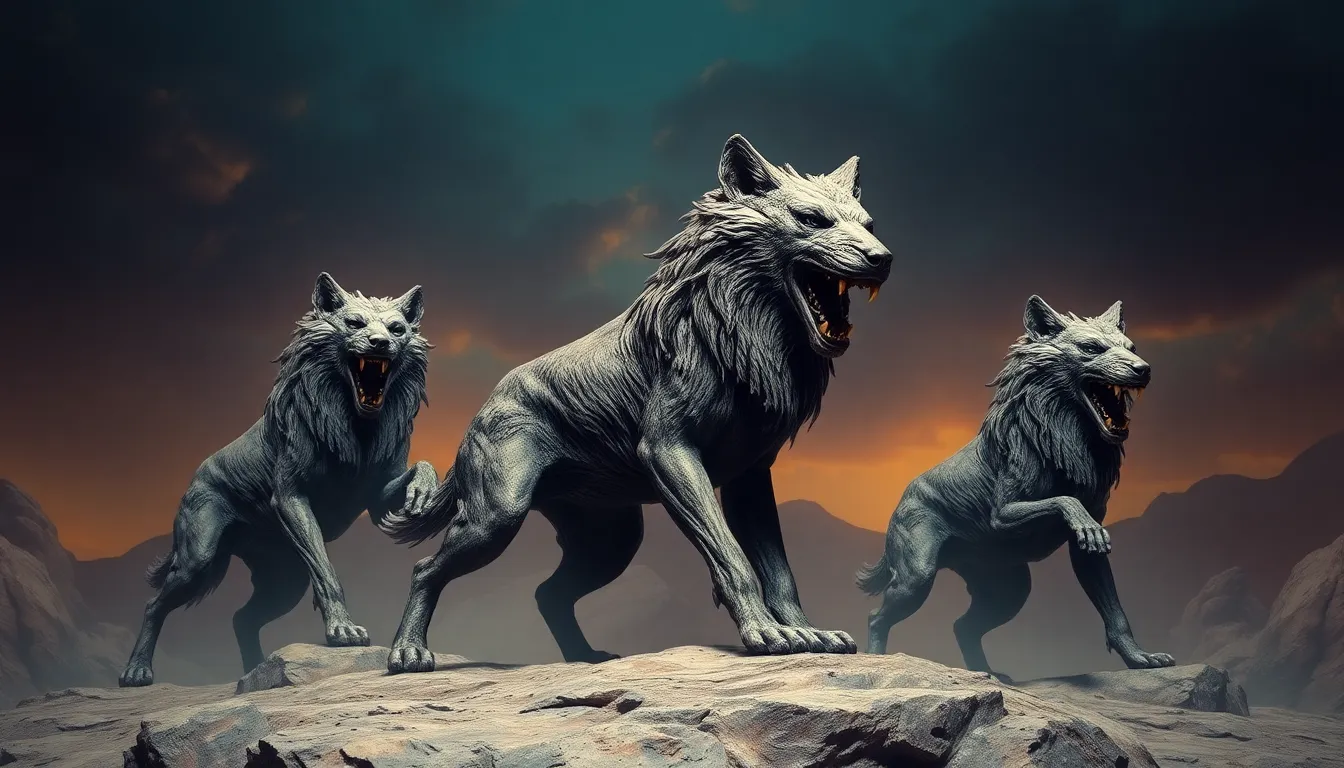
Cerberus is often depicted as a massive dog with three heads, each one representing a different aspect of life and death. Additionally, he is usually portrayed with a serpent for a tail and sometimes with dragon-like features, enhancing his terrifying image.
C. Significance of Cerberus’s three heads and serpent tail
- Three heads symbolize the past, present, and future, representing the cycle of life and death.
- The serpent tail adds an element of danger and unpredictability.
- His multi-headed form signifies the complexity of the soul’s journey after death.
IV. Cerberus in Ancient Greek Literature
A. Depictions in Homer’s “The Odyssey”
Cerberus is referenced in “The Odyssey,” particularly in the episode where Odysseus visits the Underworld. He encounters the monstrous dog, who is portrayed as a fierce guardian but ultimately allows the souls to pass without incident.
B. References in Virgil’s “The Aeneid”
Virgil also mentions Cerberus in “The Aeneid,” where the hero Aeneas must confront the beast as he journeys through the Underworld. Virgil’s depiction further cements Cerberus’s role as a formidable yet essential figure in the realm of the dead.
C. Other notable literary accounts and interpretations
Beyond Homer and Virgil, Cerberus appears in various myths and stories, often symbolizing the fear of death and the unknown. His presence is felt in works by later authors, further solidifying his status in the literary canon.
V. Cerberus in Art and Culture
A. Artistic representations in ancient pottery and sculpture
Cerberus has been a popular subject in ancient Greek art, often depicted in pottery and sculptures. These representations capture his fearsome nature and serve as a reminder of his role in the afterlife.
B. Cerberus in modern adaptations and popular culture
In contemporary culture, Cerberus has been adapted in various forms, including literature, film, and video games. He often appears as a powerful guardian or antagonist, maintaining his status as a symbol of the Underworld.
C. Symbolic meanings in art and literature
- Fear of death: Cerberus embodies the human apprehension toward mortality.
- Protection: He symbolizes the safeguarding of the dead and the sanctity of the afterlife.
- Mythical complexity: Cerberus represents the multifaceted nature of mythological narratives.
VI. Cerberus and the Souls of the Dead
A. Interaction with souls entering the Underworld
Cerberus plays a crucial role in the journey of souls as they enter the Underworld. He ensures that only the deceased may pass, interacting with each soul as they arrive at the gates.
B. Role in the judgment of the dead
While Cerberus does not judge souls himself, his presence is integral to the process, as he guards the entrance where judges like Minos, Rhadamanthus, and Aeacus assess the fates of the deceased.
C. Cerberus’s relationship with Charon and other Underworld figures
Cerberus works alongside Charon, the ferryman of the dead, who transports souls across the Styx. Together, they maintain order in the Underworld, with Cerberus ensuring that no souls escape while Charon guides them to their final resting place.
VII. Cerberus in Rituals and Beliefs
A. Cerberus’s place in ancient Greek religion and rituals
Cerberus held a significant place in ancient Greek religion, where rituals and offerings were made to appease him. These practices reflected the Greeks’ desire to honor the dead and respect the boundaries of the Underworld.
B. Offerings and customs associated with Cerberus
Offerings, such as food and libations, were often left at graves and shrines to ensure that Cerberus would not harm the souls of the deceased. These customs were integral to ancient beliefs about the afterlife.
C. Modern interpretations and reverence for Cerberus
In modern times, Cerberus continues to be a symbol of the Underworld, inspiring various interpretations in literature and art. His legacy endures as a reminder of humanity’s fascination with life, death, and the mysteries of the afterlife.
VIII. Conclusion
A. Summary of Cerberus’s significance in the Greek Underworld
Cerberus stands as a powerful figure within Greek mythology, representing the duality of fear and protection in the realm of the dead. His role as the guardian of the Underworld is crucial for understanding ancient Greek beliefs about life, death, and the afterlife.
B. Reflections on the enduring legacy of Cerberus in mythology
The myth of Cerberus transcends time, resonating with modern audiences through literature, art, and culture. His portrayal reflects humanity’s ongoing contemplation of mortality and the unknown.
C. Final thoughts on the importance of understanding mythological figures like Cerberus
By exploring figures like Cerberus, we gain insight into the values, fears, and beliefs of ancient cultures. Understanding these mythological symbols enriches our appreciation of human history and the narratives that shape our understanding of life and death.