The Role of Demeter in Greek Rituals: A Look at Ancient Practices
I. Introduction
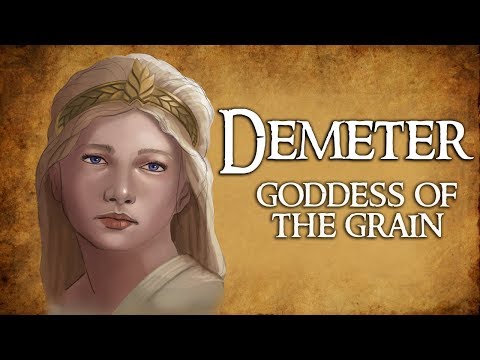
Demeter, the ancient Greek goddess of agriculture, is a central figure in Greek mythology, embodying the principles of fertility, harvest, and the nurturing of the earth. As one of the Twelve Olympian deities, she plays a crucial role in the lives of the ancient Greeks, particularly in relation to their agricultural practices and seasonal cycles.
Agricultural deities were of paramount importance in ancient Greece, as they directly influenced the prosperity and sustenance of communities. The worship of these deities was intertwined with the agrarian lifestyle of the Greeks, whose survival depended heavily on successful harvests. This article explores Demeter’s integral role in rituals associated with agriculture and fertility, shedding light on how these practices shaped ancient Greek society.
II. Demeter: The Goddess of Agriculture and Fertility
Demeter’s mythological background is rich and complex. She is often depicted as a matronly figure, nurturing and protective, symbolizing the earth’s bounty. In her most famous myth, she is the mother of Persephone, the goddess of spring, whose abduction by Hades into the Underworld leads to the changing seasons.
The symbolism associated with Demeter is deeply connected to the cycles of nature. She represents not only the fertility of the land but also the relationship between life and death, growth and decay. Here are some key symbols associated with Demeter:
- Wheat and grain: Representing sustenance and fertility.
- Sheaves of wheat: Symbolizing harvest and abundance.
- Poppies: Often linked to the cycles of life and death.
Demeter’s connection to the cycles of nature is evident in her influence over agricultural seasons. Her grief for Persephone’s absence results in winter, while her joy upon Persephone’s return heralds spring and the renewal of life.
III. The Eleusinian Mysteries: A Key Ritual
The Eleusinian Mysteries were among the most significant religious rites in ancient Greece, dedicated to Demeter and her daughter, Persephone. Held annually in Eleusis, these mysteries celebrated the cycle of life and death and the promise of rebirth.
The significance of Demeter and Persephone in these rites cannot be overstated. The mysteries provided a framework for understanding the agricultural cycles and the deep connection between the earth and humanity. The initiation process was shrouded in secrecy, with participants undergoing various rites meant to purify and prepare them for deeper spiritual insights.
These rites had profound cultural implications, fostering a sense of community among initiates and reinforcing the importance of Demeter’s blessings for agricultural success. The rituals emphasized themes of renewal and hope, mirroring the seasonal changes that governed agricultural life.
IV. Agricultural Festivals and Offerings
Various festivals were dedicated to Demeter throughout ancient Greece, with the Thesmophoria being one of the most notable. This festival, celebrated primarily by women, honored Demeter and her role in ensuring fertility and successful harvests.
Types of offerings and sacrifices made to Demeter were diverse, including:
- Grain and fruits: Symbolizing the harvest.
- Animals: Sacrifices such as pigs were common.
- Libations of wine and honey: Offered to invoke Demeter’s favor.
Women played a pivotal role in these agricultural rituals, reflecting their connection to the earth and fertility. The Thesmophoria, for instance, emphasized female solidarity and the transmission of agricultural knowledge through generations.
V. The Role of Myth in Ritual Practices
The myths surrounding Demeter significantly influenced the rituals performed in her honor. The story of Demeter and Persephone serves as a ritual framework, delineating the themes of loss, longing, and renewal that resonate deeply within agricultural practices.
The interplay between myth and seasonal agricultural cycles is particularly evident in the timing of rituals. For example, the Eleusinian Mysteries coincided with the planting and harvesting seasons, reinforcing the connection between the divine and the earthly realms.
VI. Demeter’s Influence on Community and Society
Demeter’s worship had a profound impact on local communities in ancient Greece. Her rituals and festivals fostered social cohesion, as shared beliefs and practices brought people together. The communal aspect of these rituals helped strengthen community ties and provided a collective identity rooted in agricultural traditions.
Furthermore, Demeter’s role extended beyond mere agricultural success; she was also invoked in times of famine and food insecurity. Her worship offered hope and a sense of agency to communities facing the uncertainties of nature.
VII. Artistic Representations of Demeter in Ritual Contexts
Demeter has been depicted in various forms of ancient art and literature, reflecting the significance of her role in rituals. From vase paintings to sculptures, these representations often illustrate scenes of agricultural abundance and divine interaction.
Art serves as a crucial lens through which we can understand the rituals and beliefs surrounding Demeter. For instance, depictions of the Eleusinian Mysteries highlight the solemnity and reverence of the initiates, showcasing the deep spiritual connection fostered through these rites.
The legacy of Demeter continues to influence cultural expressions, with her imagery and symbolism appearing in modern art and literature, underscoring the timeless relevance of her mythos.
VIII. Conclusion
In summary, Demeter’s multifaceted role in Greek rituals reflects her significance as a goddess of agriculture and fertility. Her influence on community cohesion, agricultural practices, and the initiation of profound spiritual experiences highlights the importance of agricultural deities in ancient societies.
Reflecting on the lasting significance of these ancient practices encourages an appreciation for the interplay between mythology, agriculture, and community. As we explore agricultural deities across different cultures, we uncover universal themes of sustenance, fertility, and the reverence for the earth that resonate through time.