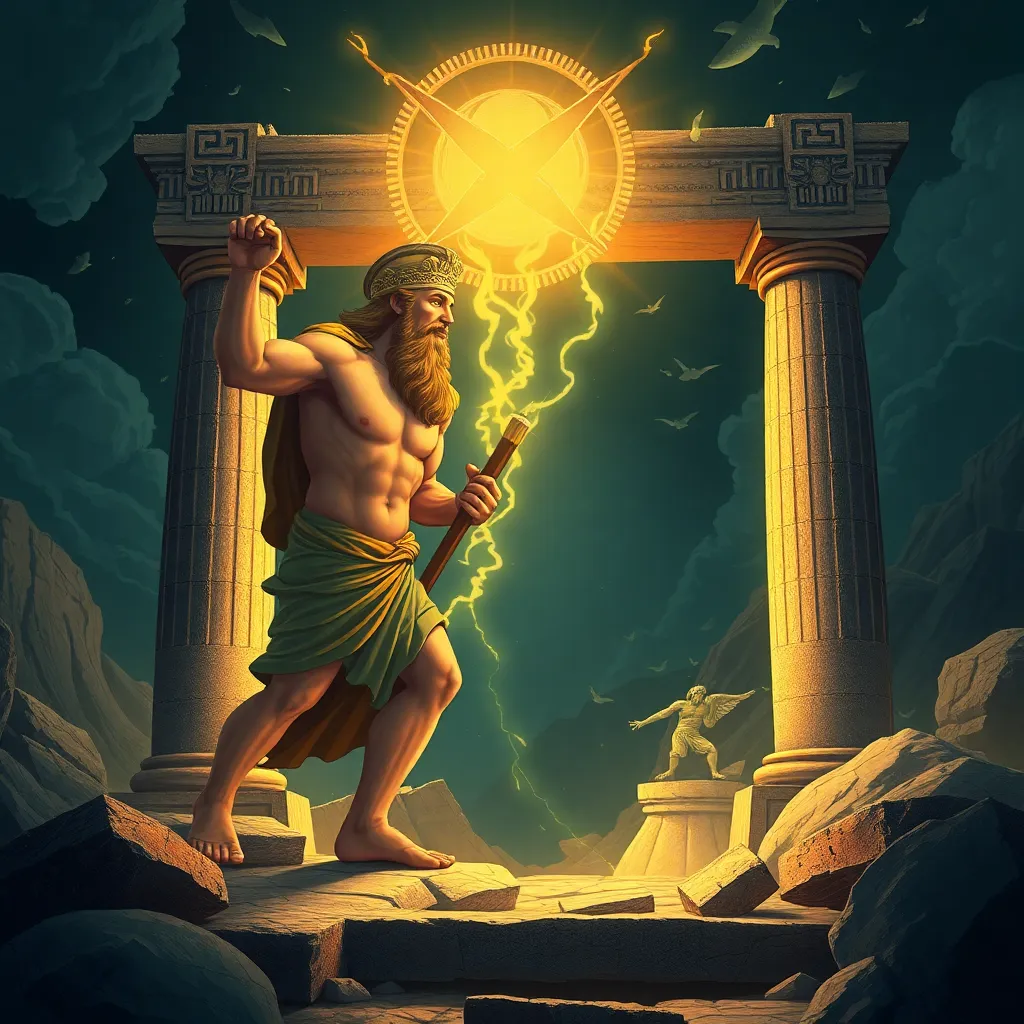
The Role of Divine Intervention in Heracles’ Adventures
I. Introduction
Heracles, known for his incredible strength and heroic feats, stands as one of the most celebrated figures in Greek mythology. His adventures, filled with trials and tribulations, are not just tales of bravery but also reflections of the complex interactions between mortals and deities. Central to these narratives is the theme of divine intervention, which significantly influences Heracles’ journey. This article aims to explore how the gods, through their blessings, manipulations, and interventions, shaped the life and fate of Heracles.
II. The Birth of Heracles: A Divine Manipulation
Heracles’ origin story begins with the affair between Zeus, the king of the gods, and Alcmene, a mortal woman. This union was orchestrated by Zeus, who disguised himself as Alcmene’s husband, Amphitryon. The result of this divine deception was the birth of Heracles, who was fated to be a hero. However, Hera, Zeus’ wife, felt threatened by Heracles’ existence due to her husband’s infidelity.
Hera’s jealousy had profound implications for Heracles’ life. From the moment of his birth, she sought to thwart his destiny. She sent two serpents to kill the infant Heracles, who, demonstrating his extraordinary strength even as a baby, strangled them both. This early conflict set the stage for a lifelong struggle against divine opposition.
Fate and prophecy played crucial roles in shaping Heracles’ early life. His dual heritage—being the son of Zeus and Alcmene—meant that he was destined for greatness, yet the prophecies surrounding him hinted at a life filled with suffering and strife, largely due to Hera’s influence.
III. The Twelve Labors: Tasks Set by the Gods
Heracles is perhaps best known for the Twelve Labors, a series of daunting tasks he undertook as penance for killing his wife and children in a fit of madness, induced by Hera. These Labors were designed as a punishment but also served as a means for Heracles to gain redemption and prove his worthiness.
- The origin of the Twelve Labors: The Labors stemmed from Hera’s vengeance, as she aimed to belittle Heracles and demonstrate that he was inferior to other heroes.
- Divine guidance: Throughout the Labors, Heracles received both assistance and obstacles from various gods, highlighting the complexities of divine intervention.
- Specific Labors influenced by divine intervention:
- Nemean Lion: Armed with a club and the guidance of Athena, Heracles was able to slay the invulnerable lion, showcasing the support of the gods.
- Hydra: Despite facing the daunting multi-headed serpent, Heracles received aid from his nephew Iolaus and divine inspiration from Athena, enabling him to succeed.
IV. The Role of Athena and Other Deities
Athena, the goddess of wisdom and warfare, played a pivotal role in Heracles’ journey. She often served as his protector, providing him with guidance and support whenever he faced insurmountable challenges. Her strategic advice during his Labors was crucial for his success.
Other deities, such as Hermes and Apollo, also contributed to Heracles’ adventures. Hermes, known for his cunning, assisted Heracles in several quests, while Apollo provided prophetic guidance, aiding him in making crucial decisions. This divine support emphasized the importance of collaboration between mortals and the gods in Greek mythology.
V. Conflicts with Divine Beings
Heracles’ journey was not without its conflicts with the divine. His encounters with gods and goddesses often complicated his path. Notably, his contentious relationship with Hera was a constant source of strife. Hera’s wrath manifested in numerous ways, often leading Heracles into perilous situations.
Additionally, Heracles had confrontations with Ares, the god of war, who challenged him during various quests. These conflicts served to illustrate the tumultuous relationship between heroes and the divine, highlighting how divine wrath could significantly alter the course of a hero’s journey.
VI. Redemption and Divine Favor
The theme of redemption is prevalent in Heracles’ life, showcasing the transformative power of divine forgiveness. After completing the Twelve Labors, Heracles earned the favor of several gods, which ultimately led to his redemption and acceptance among the divine.
Instances of Heracles earning divine favor include his successful completion of the Labors and his role as a defender of the gods. His eventual ascension to Olympus, where he was granted immortality, symbolizes the reconciliation between his mortal struggles and divine acceptance.
VII. Themes of Divine Intervention in Heracles’ Legacy
The interactions between Heracles and the divine highlight significant themes in Greek mythology, particularly regarding the relationship between gods and humans. These narratives often portray the gods as influential yet capricious beings whose interventions can lead to both triumph and tragedy.
Furthermore, Heracles’ story imparts moral lessons, such as the importance of perseverance, humility, and the quest for redemption. The legacy of these themes resonates within Western literature and culture, influencing countless works that explore the intricate dynamics of heroism and divinity.
VIII. Conclusion
In summary, divine intervention plays a crucial role in the adventures of Heracles, shaping his destiny from birth through his heroic Labors to his eventual redemption. The complexities of his interactions with the gods not only provide insight into Greek mythology but also reflect broader themes of fate, heroism, and the pursuit of favor among the divine.
As we reflect on the intertwining of fate and divine influence in Heracles’ journey, we gain a deeper understanding of the moral and philosophical implications inherent in these ancient tales. The legacy of Heracles continues to inspire discussions about the nature of heroism and the impact of divine forces in human affairs.