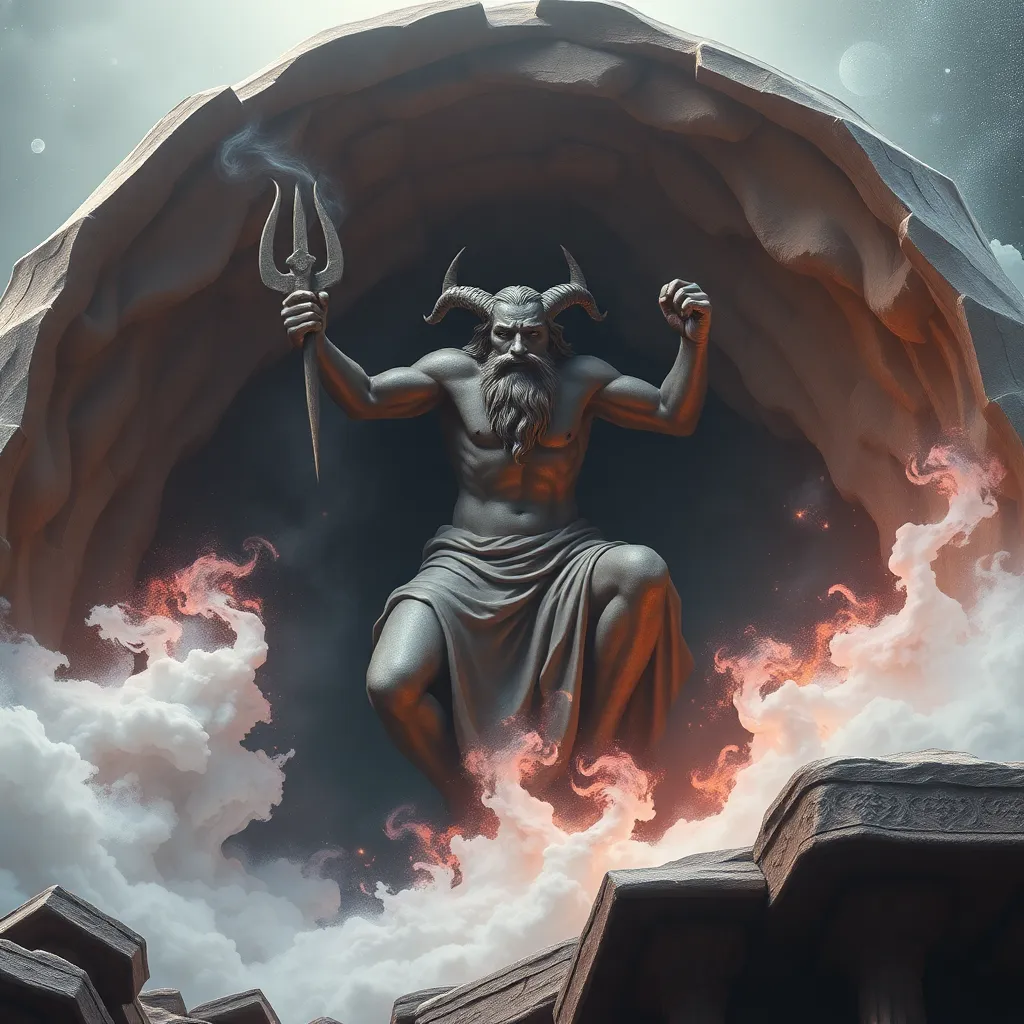
The Role of Dreams in Accessing the Underworld: Ancient Beliefs
I. Introduction
Throughout history, dreams have captivated the human imagination. In ancient cultures, they were often seen as a bridge to the divine or the supernatural. Dreams were not merely the products of sleep but were considered meaningful experiences capable of offering insights into the past, present, and future.
In many mythologies, the concept of the underworld, a realm where souls reside after death, plays a pivotal role. This article will explore how dreams were perceived as gateways to these mysterious realms in various ancient cultures and how they influenced beliefs about the afterlife.
II. Historical Context of Dream Interpretation
A. Ancient civilizations and their views on dreams
Various ancient civilizations held distinct views on dreams. For instance, in Mesopotamia, dreams were seen as messages from the gods, carrying significant prophetic weight. The Egyptians believed dreams could offer guidance and foretell events, while the Greeks often viewed them as omens.
B. The significance of dreams in religious and spiritual practices
Dreams served a crucial role in religious rituals and spiritual practices across cultures. They were often interpreted by priests or shamans, who would analyze the content of dreams to derive meanings or forecast future occurrences. The act of dream interpretation was considered a sacred duty, linking the dreamer to higher powers.
C. Key figures in dream interpretation
- Artemidorus: An ancient Greek dream interpreter whose work, “Oneirocritica,” remains influential, offering interpretations of various dream symbols.
- Sigmund Freud: In the modern era, Freud revolutionized dream analysis, proposing that dreams reveal hidden desires and conflicts within the subconscious.
III. The Underworld in Ancient Mythology
A. Overview of the underworld across different cultures
The underworld is depicted differently across cultures:
- Greek Mythology: The underworld, known as Hades, is a realm ruled by the god Hades, where souls journey after death.
- Egyptian Mythology: The Duat is a complex underworld where souls are judged by Osiris before entering the afterlife.
- Mesopotamian Mythology: The underworld, or Kur, is a dark and dreary place where all souls, regardless of their deeds, eventually reside.
B. Common themes and symbols associated with the underworld
Common themes in these narratives include:
- The journey of the soul after death
- The judgment and weighing of deeds
- Symbolic representations of death, such as rivers (e.g., the River Styx in Greek mythology)
C. The journey to the underworld: myths and legends
Many myths describe the trials and tribulations faced by heroes venturing into the underworld. For example, Orpheus’s descent to retrieve his beloved Eurydice illustrates the challenges and emotional weight of this journey.
IV. Dreams as Portals to the Underworld
A. The belief in dreams as a means to communicate with the dead
In many ancient cultures, dreams were viewed as a means of communication with the deceased. It was believed that the souls of the departed could visit the living in their dreams, offering guidance, solace, or warnings.
B. Rituals and practices to enhance dream access to the underworld
To facilitate these divine encounters, various rituals were performed, such as:
- Sleep incantations to invoke the presence of the dead
- Offering sacrifices to appease spirits
- Creating sacred spaces for dreaming
C. Case studies of dreams reported by ancient peoples
Historical records include numerous accounts of dreams that were interpreted as messages from the dead. These dreams often contained vivid imagery and profound emotional themes, reinforcing the belief in their significance.
V. Cultural Variations in Dream and Underworld Beliefs
A. Comparison of beliefs among various cultures
While many cultures share the idea of dreams as a means to access the underworld, their interpretations and practices can vary significantly:
- Greeks: Viewed dreams as prophetic and often consulted oracles.
- Egyptians: Emphasized the role of dreams in the afterlife, where dreams could provide insight into one’s fate.
B. The role of shamans and priests in dream interpretation
In many cultures, shamans and priests were the intermediaries who interpreted dreams. Their roles included:
- Guiding individuals through spiritual journeys
- Facilitating communication with the deceased
- Providing healing through dream interpretation
C. How cultural narratives shaped the understanding of dreams and the afterlife
Cultural narratives significantly influenced how dreams were perceived. Stories, myths, and legends provided frameworks for interpreting dreams, often reflecting societal values and fears regarding death and the afterlife.
VI. Psychological Interpretations of Dreams and the Underworld
A. Modern psychological perspectives on ancient beliefs
Modern psychology offers insights into ancient beliefs about dreams and the underworld. Psychological theories suggest that dreams can reflect our inner thoughts, fears, and desires, echoing the ancient notion of dreams as gateways to understanding the soul.
B. The symbolic nature of the underworld in dreams
In contemporary dream analysis, the underworld often symbolizes:
- Repressed emotions or traumas
- Transitions and transformations
- Fear of the unknown or death
C. The impact of dreams on personal and collective psyche
Dreams can significantly influence both personal and collective psyches, shaping cultural narratives and individual identities. They serve as mirrors to our experiences, allowing us to confront and process our realities.
VII. Contemporary Relevance of Ancient Beliefs
A. How ancient beliefs about dreams and the underworld influence modern spirituality
Many modern spiritual practices draw from ancient beliefs about dreams. Techniques such as dream journaling and lucid dreaming are increasingly popular, reflecting a resurgence of interest in the mystical aspects of dreaming.
B. The resurgence of interest in dream analysis and symbolism
In recent years, there has been a renewed interest in dream analysis, with many people seeking to understand their dreams’ meanings. This trend highlights the continued relevance of ancient beliefs in contemporary society.
C. The role of dreams in contemporary psychological practices
Psychologists today often utilize dream interpretation as part of therapeutic practices. By exploring dreams, individuals can gain insights into their subconscious, facilitating healing and personal growth.
VIII. Conclusion
The exploration of dreams and their connection to the underworld reveals a rich tapestry of beliefs that have shaped human understanding of life, death, and the mysteries of existence. Ancient cultures saw dreams as vital links to the afterlife, providing insights and guidance from beyond.
These beliefs continue to resonate in modern spirituality and psychology, illustrating the enduring legacy of our ancestors’ understanding of dreams. As we delve deeper into the meanings of our dreams, we may uncover the profound connections to our past, present, and future.
As we continue to explore the nature of dreams, let us remain open to their messages and mysteries, recognizing their significance in our personal and cultural narratives.