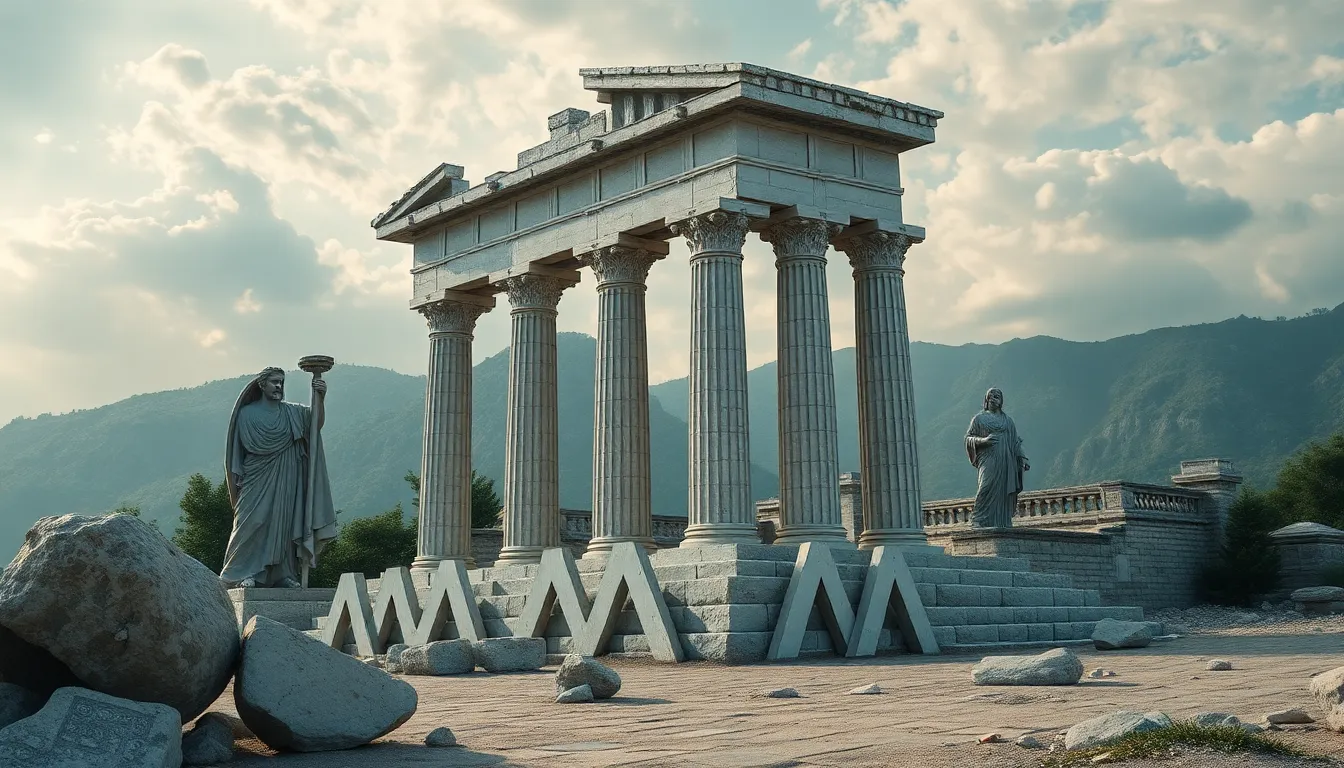
The Role of Greek Myths in Shaping Today’s Global Narratives
I. Introduction
Greek myths are rich narratives that recount the adventures and trials of gods, goddesses, heroes, and mythical creatures. These tales have been passed down through generations, forming an integral part of Western literature and culture. They not only provide entertainment but also convey important cultural values and moral lessons.
The historical significance of Greek mythology is immense, influencing various aspects of art, literature, and even modern psychology. From the tragic tales of heroes like Achilles to the whimsical adventures of gods like Zeus, these narratives have shaped the way we understand human nature and our place in the world.
The purpose of this article is to explore the lasting influence of Greek myths on contemporary narratives across various forms of media and culture. We will examine how these ancient stories continue to resonate today, providing a framework for understanding modern human experiences.
II. The Foundations of Greek Mythology
A. Key figures and stories in Greek myths
Greek mythology is populated by a vast array of characters and stories, each contributing to the rich tapestry of ancient Greek culture. Some of the key figures include:
- Zeus: The king of the gods and ruler of Mount Olympus.
- Hera: The goddess of marriage and family, wife of Zeus.
- Poseidon: The god of the sea, earthquakes, and horses.
- Athena: The goddess of wisdom, courage, and warfare.
- Hades: The god of the underworld, ruling over the dead.
- Heracles (Hercules): A heroic figure known for his strength and for completing the Twelve Labors.
These characters are central to many myths, each with their own unique stories, struggles, and moral lessons.
B. Themes and motifs prevalent in Greek mythology
Several recurring themes and motifs can be identified in Greek mythology:
- The Hero’s Journey: Many myths follow a hero who embarks on an adventure, faces challenges, and ultimately returns transformed.
- Hubris: The excessive pride of characters often leads to their downfall, serving as a cautionary tale against arrogance.
- Fate vs. Free Will: Many myths explore the tension between predetermined fate and individual agency.
- Love and Betrayal: Romantic entanglements often lead to dramatic conflicts, as seen in the stories of Paris and Helen.
C. The relationship between mythology and ancient Greek culture
Greek mythology was not merely a collection of stories but was deeply woven into the fabric of ancient Greek society. It influenced religion, art, and daily life:
- Myths were used to explain natural phenomena, such as storms or earthquakes.
- Religious rituals often involved the worship of gods featured in the myths.
- Art and literature drew heavily from mythological themes, inspiring countless works of sculpture, pottery, and theater.
III. Greek Myths as Archetypes in Modern Storytelling
A. Examination of archetypal characters (e.g., heroes, villains, gods)
Greek mythology has introduced archetypal characters that continue to appear in modern storytelling:
- The Hero: Characters like Odysseus exemplify the archetype of the hero who faces trials and overcomes adversity.
- The Mentor: Figures such as Chiron serve as wise guides, helping heroes on their journeys.
- The Villain: Characters like Hades or Medusa embody the antagonist role, representing chaos and opposition.
- The Tragic Hero: Characters such as Achilles demonstrate the flaws that lead to their downfall.
B. The impact of myths on literature and film
The influence of Greek mythology on literature and film is profound. Many contemporary works borrow from these ancient tales, adapting their themes and characters for modern audiences. For example:
- The “Percy Jackson” series by Rick Riordan reimagines Greek gods in a contemporary setting.
- The film “Clash of the Titans” is a direct adaptation of the myth of Perseus.
- Works like “Circe” by Madeline Miller retell the story of Odysseus’s journey through the perspective of the witch Circe.
C. Examples of contemporary works influenced by Greek mythology
Numerous contemporary works are influenced by Greek mythology, showcasing its timeless relevance:
- The Matrix: The concept of reality and illusion draws parallels with Plato’s Allegory of the Cave, which is rooted in mythological thought.
- Wonder Woman: The character’s origins in Greek mythology as an Amazonian warrior highlight the enduring legacy of these narratives.
- Game of Thrones: Elements of betrayal, power struggles, and tragic flaws echo themes found in Greek tragedy.
IV. The Moral and Ethical Lessons in Greek Myths
A. Exploration of moral dilemmas presented in myths
Greek myths often present complex moral dilemmas that challenge characters and audiences alike. These dilemmas often explore themes of justice, loyalty, and the consequences of one’s actions.
B. The relevance of these lessons in modern society
The moral lessons embedded in Greek myths remain relevant today, offering insights into human behavior and society:
- The myth of Icarus cautions against overambition and the dangers of ignoring limitations.
- The story of King Midas serves as a reminder of the perils of greed.
- Myths like that of Prometheus highlight themes of sacrifice and the pursuit of knowledge.
C. Case studies of myths teaching resilience, hubris, and justice
Case studies from Greek mythology illustrate the profound lessons to be learned:
- Odysseus: His journey home from the Trojan War is a tale of resilience, perseverance, and the human spirit’s capacity to overcome hardship.
- Arachne: The story warns against hubris, as Arachne’s pride leads to her transformation into a spider.
- Antigone: This tragic figure represents the struggle for justice and moral integrity in the face of authority.
V. Greek Mythology in Global Cultures
A. How Greek myths have permeated other cultures and religions
Greek mythology’s influence extends beyond Greece, permeating various cultures and religions. Its themes and characters have been adopted and adapted in diverse contexts, often reflecting universal human experiences.
B. Comparative analysis with non-Greek mythologies
When compared with other mythologies, such as Norse or Egyptian, Greek myths share several common themes:
- Creation myths that explain the origins of the world.
- Gods who reflect human traits and emotions.
- Heroes who embark on quests, facing trials and tribulations.
C. The universality of themes found in Greek myths
The universality of themes such as love, betrayal, and the quest for knowledge make Greek mythology relevant across cultures. These stories resonate with audiences worldwide, reflecting shared human experiences and emotions.
VI. The Influence of Greek Myths on Language and Expression
A. Common phrases and idioms derived from Greek mythology
Many common phrases and idioms in the English language derive from Greek mythology, illustrating its impact on everyday communication: