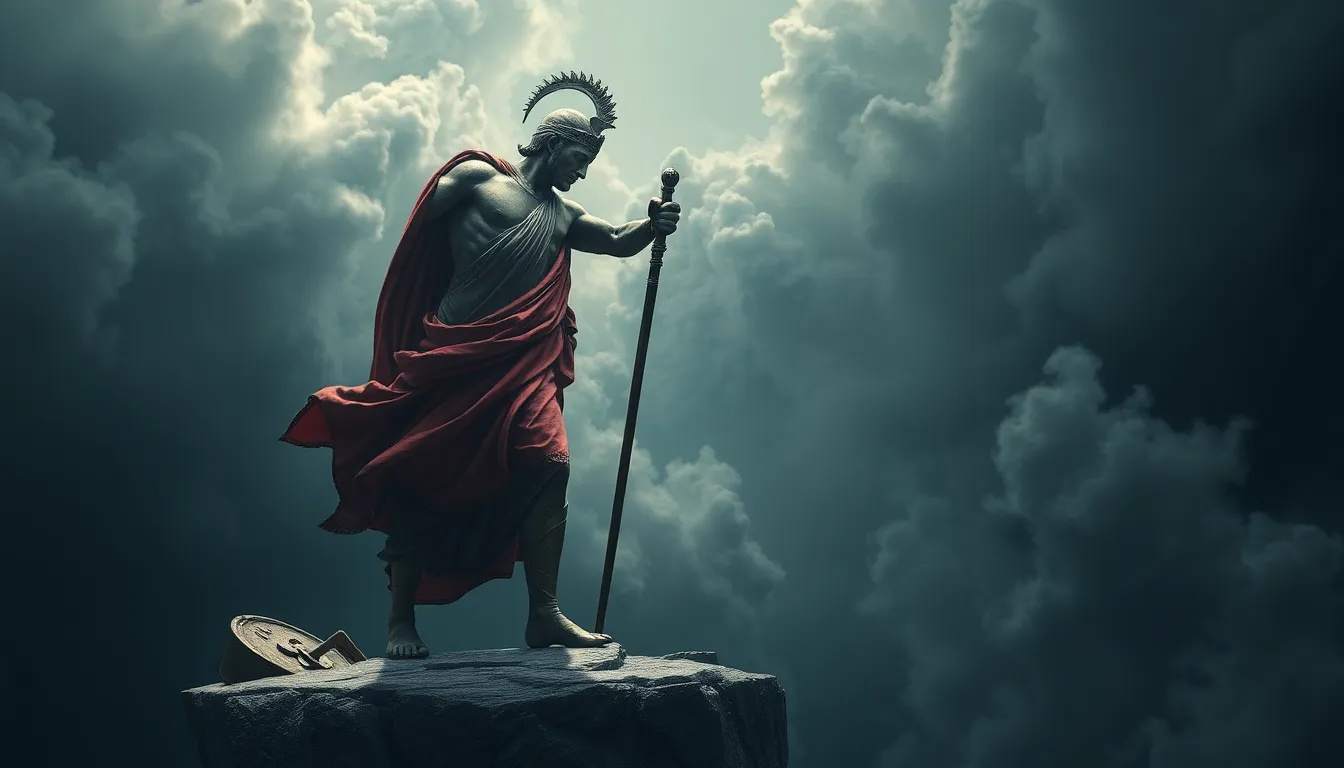
The Role of Myth in Shaping Greek Concepts of Honor
I. Introduction
Honor, in ancient Greek society, was a multifaceted concept that encompassed personal integrity, social status, and moral virtue. It was not merely a personal attribute but a societal expectation that influenced behavior, relationships, and reputation. The significance of honor in Greek culture cannot be overstated; it was a guiding principle for both individual actions and collective social norms.
Mythology played a crucial role in shaping these concepts of honor. The myths of ancient Greece, rich with tales of gods, heroes, and moral lessons, provided a framework through which the Greeks understood and articulated their values. This article aims to explore the interplay between myth and honor in ancient Greek society, examining how myths not only reflected but also reinforced the ideals of honor.
II. Understanding Honor in Ancient Greece
A. Historical context of honor in Greek civilization
In the context of ancient Greece, honor was paramount. It was closely tied to one’s reputation and social standing, and it governed interactions among individuals and communities. The Greek word for honor, timē, signified not only respect but also the rewards and recognition one earned through virtuous deeds.
Honor was often linked to concepts of bravery and excellence, particularly in the context of warfare. Warriors who demonstrated exceptional courage in battle were celebrated and immortalized in the annals of history.
B. The societal hierarchy and its relation to honor
Ancient Greek society was highly stratified, with a clear hierarchy that defined roles and expectations. Honor was intricately connected to this hierarchy:
- Aristocrats: Members of the noble class were expected to uphold their family honor, often through military achievements.
- Common citizens: For the lower classes, honor could be achieved through hard work, loyalty, and civic duty.
- Women: The honor of women was often tied to their relationships with men, particularly in terms of fidelity and virtue.
C. Honor as a driving force in individual and collective behavior
Honor motivated individuals to act in ways that would enhance their reputation and that of their families. This drive for honor could lead to both noble deeds and destructive behaviors, such as feuds or vengeance, particularly when one’s honor was perceived to be insulted. Collectively, honor fostered a sense of unity and loyalty among groups, reinforcing social bonds.
III. The Nature of Greek Myths
A. Definition and characteristics of myths in Greek culture
Greek myths are traditional stories that explain natural phenomena, cultural practices, and human behaviors through the actions of gods, goddesses, and heroes. They serve as a lens through which the Greeks understood the world around them. Myths often feature:
- Anthropomorphism: Gods and goddesses are depicted with human traits, emotions, and flaws.
- Symbolism: Myths are rich in symbols that convey deeper meanings about life, morality, and the cosmos.
- Didactic elements: Many myths contain moral lessons that teach the values of Greek society.
B. Types of myths: creation myths, hero myths, and moral tales
Greek mythology can be categorized into several types, each serving different purposes:
- Creation myths: These explain the origins of the world and the gods, such as the story of Chaos and the emergence of Gaia.
- Hero myths: These tales focus on legendary figures like Hercules and Perseus, highlighting their quests and the honor associated with their achievements.
- Moral tales: Stories that convey important moral lessons, often using cautionary tales to illustrate the consequences of hubris and dishonor.
C. The role of gods and goddesses in shaping moral values
The gods and goddesses of Greek mythology were not only powerful beings but also represented various aspects of human experience and morality. Their interactions with mortals often illustrated the values and ideals of honor:
- Athena: The goddess of wisdom and war, symbolizing strategic victory and honorable conduct.
- Ares: The god of war, representing the chaotic and sometimes dishonorable aspects of conflict.
- Artemis: The goddess of the hunt, embodying independence and purity, especially in regards to female honor.
IV. Myths as Vehicles for Honor Ideals
A. How myths illustrate the concept of honor
Greek myths often serve as vehicles for the ideals of honor, showcasing the virtues and consequences associated with honorable actions. Characters in these myths are frequently placed in situations where their honor is challenged, leading to significant moral dilemmas.
B. Key mythological figures embodying honor (e.g., Achilles, Odysseus)
Several figures in Greek mythology epitomize the concept of honor:
- Achilles: The greatest Greek warrior in the Trojan War, whose honor is both a source of strength and a tragic flaw. His withdrawal from battle due to a perceived insult demonstrates the volatile nature of honor.
- Odysseus: The clever hero of the Odyssey, whose journey home is fraught with trials that test his honor and loyalty.
- Theseus: A hero known for his bravery and cleverness, often portrayed as a defender of Athenian honor.
C. Lessons of honor and disgrace presented in mythological narratives
Myths frequently convey lessons about the importance of maintaining honor and the consequences of dishonor. For instance, the tale of Agamemnon and his sacrifice of Iphigenia illustrates the tension between personal honor and familial duty, while the story of King Midas warns against the folly of greed and its impact on honor.
V. The Influence of Myth on Heroic Culture
A. The significance of heroism in ancient Greece
Heroism was a central theme in Greek culture, celebrated in literature, art, and public life. Heroes were not only admired for their physical prowess but also for their adherence to the values of honor and virtue. They served as role models for aspiring warriors and citizens alike.
B. The relationship between heroism and honor in myths
Heroic narratives often intertwine the notions of heroism and honor, showcasing how heroes gained glory through honorable actions. The deeds of heroes were remembered and celebrated through epic poetry, further embedding the ideals of honor within the cultural consciousness.
C. The impact of heroic tales on societal expectations of honor
Mythological tales shaped societal expectations regarding honor, creating a culture that revered bravery, loyalty, and sacrifice. These stories inspired individuals to strive for greatness while reinforcing the collective values of their communities.
VI. Myths, Honor, and Women in Greek Society
A. The portrayal of female characters in myths and their relationship to honor
Women in Greek mythology often had complex relationships with the concept of honor. Their honor was frequently tied to their behavior and relationships with male figures, reflecting the societal norms of the time.
B. Case studies of figures like Penelope and Helen
Two notable figures illustrate the dual standards of honor for women:
- Penelope: The faithful wife of Odysseus, who embodies loyalty and virtue. Her honor is upheld through her steadfastness during Odysseus’s absence.
- Helen of Troy: Often viewed through the lens of dishonor due to her involvement in the Trojan War, her story raises questions about agency and the perception of female honor.
C. The dual standards of honor for men and women in myths
Greek myths often reflect a dual standard regarding honor. While male characters could achieve honor through martial prowess, female characters were frequently judged based on their fidelity and domestic virtues. This dichotomy highlights the gendered nature of honor in ancient Greek society.
VII. The Legacy of Greek Myths on Modern Concepts of Honor
A. How ancient Greek concepts of honor resonate in contemporary culture
The legacy of Greek concepts of honor continues to resonate in contemporary culture. Modern societies still grapple with ideas of personal integrity, loyalty, and reputation, reflecting the enduring influence of these ancient ideals.
B. The influence of Greek mythology in literature, art, and philosophy
Greek mythology has profoundly influenced Western literature, art, and philosophy. From Shakespeare to modern novels, the