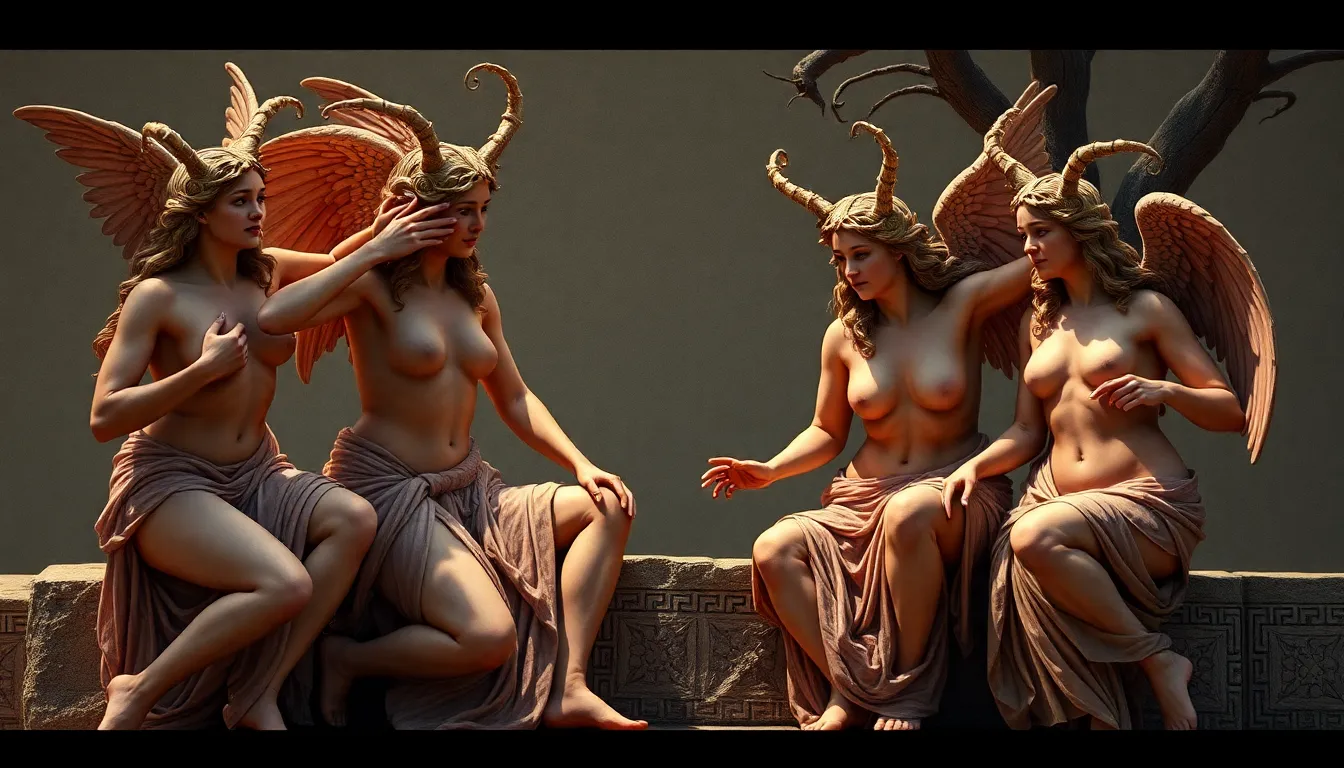
The Role of Nymphs in Ancient Greek Comedy: Humor and Satire
I. Introduction
Nymphs, in Greek mythology, are often depicted as beautiful female spirits associated with nature. They are usually considered minor deities, inhabiting various natural elements such as rivers, trees, mountains, and springs. Their alluring presence and connection to the fertility of the earth made them intriguing figures in ancient Greek culture.
In ancient Greek comedy, nymphs played a significant role, contributing to the humor and satire that characterized the genre. This article aims to explore how nymph characters were utilized to evoke laughter, critique societal norms, and reflect upon human behaviors within comedic narratives.
II. Historical Context of Ancient Greek Comedy
Ancient Greek comedy evolved from the rudimentary performances of the 6th century BCE to the sophisticated works of playwrights like Aristophanes in the 5th century BCE. The comedic genre can be divided into three main periods: Old Comedy, Middle Comedy, and New Comedy.
Key playwrights made substantial contributions to the development of comedic themes:
- Aristophanes: Known for his sharp wit and political satire, he often incorporated mythological figures, including nymphs, into his plays.
- Menander: A prominent figure in New Comedy, he focused more on everyday life and character development, including the use of nymphs in romantic subplots.
The social and political landscape of ancient Greece heavily influenced comedic themes, as playwrights used humor to comment on various issues, including war, politics, and the human condition.
III. Nymphs as Comic Characters
Nymphs in ancient Greek comedy were characterized by their beauty, playfulness, and sometimes mischievous nature. Their ethereal qualities allowed them to serve as both enchanting figures and comedic devices.
Common roles played by nymphs in comedic narratives included:
- The naive lover, often caught in romantic entanglements.
- The wise confidante, providing humorous insights into the follies of humans.
- The object of desire, leading to exaggerated comedic situations.
Notable nymph characters can be found in various comedic works. For instance, in Aristophanes’ “The Clouds,” nymphs are referenced in a humorous context, showcasing their role in the absurdity of human desires.
IV. The Use of Humor in Nymph Portrayals
The humor associated with nymphs often stems from their interactions with other characters and the situations they find themselves in. Various types of humor can be identified:
- Slapstick: Physical comedy often arises from the nymphs’ interactions, leading to humorous mishaps.
- Wordplay: Witty banter and puns featuring nymphs contribute to the comedic dialogue.
Nymphs also serve as objects of satire, parodying societal norms and expectations. They embody the idealized feminine form while simultaneously critiquing the absurdities of love and desire. For example, in certain comedic scenes, nymphs might mock the exaggerated courtship behaviors of male characters, highlighting the ridiculous nature of their pursuits.
V. Nymphs and Satirical Commentary
Nymphs reflect societal issues and human behaviors, often acting as mirrors to the follies of mankind. Their playful demeanor contrasts with the serious undertones of the themes they explore, creating a duality that enriches their portrayals.
Through nymph characters, comedic playwrights addressed various satirical themes:
- The absurdity of romantic relationships and societal expectations of love.
- The tension between nature and civilization, often depicted in the nymphs’ interactions with urban characters.
- Critiques of gender roles and the objectification of women in society.
Examples of satirical commentary can be found in Aristophanes’ plays, where nymphs often serve as a foil to male characters, exposing their flaws and follies through humor.
VI. Nymphs in Contrast with Other Mythological Figures
In comedic settings, nymphs are often contrasted with gods, heroes, and mortals, creating a unique position within the comedic hierarchy. This contrast enhances the humor and themes presented in the narratives.
While gods are often portrayed with grandeur and authority, and heroes with valor and strength, nymphs embody a more relatable and playful spirit. Their interactions with other figures often highlight:
- The absurdity of divine interventions in human affairs.
- The vulnerabilities and insecurities of heroes when faced with the charm of nymphs.
- The folly of mortals striving for unattainable ideals represented by nymphs.
This juxtaposition not only adds depth to the comedic narrative but also emphasizes the themes of human folly and the complexity of desire.
VII. Legacy and Influence of Nymphs in Modern Comedy
The legacy of nymph characters continues to influence contemporary comedic narratives. Modern adaptations often draw inspiration from their playful and enchanting qualities, showcasing their relevance in today’s humor and satire.
Examples of modern interpretations include:
- The portrayal of nymph-like characters in films and television shows that explore themes of love and desire.
- Stage adaptations of ancient comedies that retain the comedic essence of nymphs while updating the dialogue for contemporary audiences.
- Literature that reflects on the timeless nature of desire and the absurdities of relationships, often echoing the humor found in ancient texts.
The enduring appeal of nymphs lies in their ability to embody both beauty and folly, making them relatable figures in a wide array of comedic contexts.
VIII. Conclusion
In conclusion, nymphs played a significant role in ancient Greek comedy, serving as vessels for humor and satire. Their enchanting presence and playful nature allowed playwrights to explore human behaviors and societal norms in a lighthearted yet critical manner. The duality of nymphs as both comedic figures and reflective voices adds depth to the narratives in which they appear.
The enduring legacy of nymphs in modern comedy highlights the importance of mythological figures in shaping comedic traditions. As we continue to find humor in the absurdities of life, the influence of nymphs remains a testament to the power of laughter and satire in understanding the human experience.