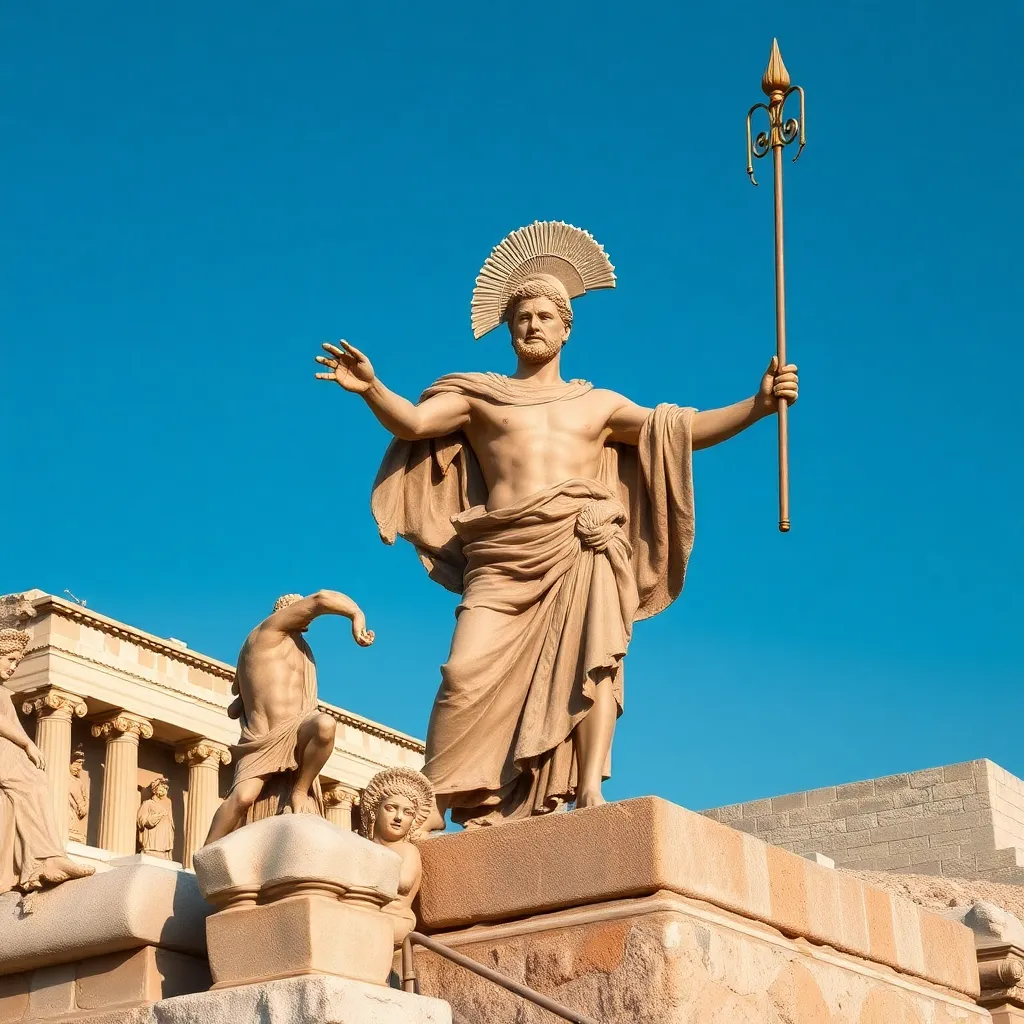
The Role of Propaganda in the Narratives of Greek Heroes
I. Introduction to Greek Heroic Narratives
Greek mythology is rich with tales of heroes who embody the values and ideals of ancient Greek society. These heroes, such as Achilles and Odysseus, are not merely characters in stories but representations of the cultural ethos of their time. They are celebrated for their bravery, intelligence, and often their tragic flaws.
Propaganda, in this context, refers to the techniques and strategies used to promote certain ideals and values through narrative. In Greek heroic tales, propaganda plays a crucial role in shaping perceptions of what it means to be a hero, influencing both contemporary audiences and future generations.
This article aims to explore the intricate interplay between propaganda and hero narratives in Greek mythology, examining how the portrayal of heroes served to reinforce societal norms and values.
II. Historical Context of Greek Heroism
The narratives of Greek heroes were deeply intertwined with the societal values and beliefs of ancient Greece. These stories emerged during a time when honor, courage, and strength were highly revered qualities.
- A. The societal values and beliefs in ancient Greece: Ancient Greek society placed a premium on individualism, heroism, and the pursuit of excellence, known as ‘areté.’
- B. The emergence of heroic figures in literature and mythology: Heroes arose in response to the cultural need for models of virtuous behavior and the exploration of human experience.
- C. The role of epic poetry in shaping hero narratives: Epic poets like Homer crafted narratives that not only entertained but also instilled moral lessons and societal values.
III. Mechanisms of Propaganda in Heroic Tales
Propaganda within Greek heroic narratives operates through various mechanisms that enhance the heroic image and reinforce societal values.
- A. Use of language and rhetoric in storytelling: Poets employed persuasive language, employing metaphors and similes to elevate heroes’ actions and virtues.
- B. Symbolism and imagery associated with heroes: Heroes are often associated with specific symbols (e.g., Achilles with strength and wrath) that convey broader cultural meanings.
- C. The portrayal of gods and divine favor as propaganda tools: The gods’ support for certain heroes serves to legitimize their actions and enhance their status as paragons of virtue.
IV. Case Study: Achilles in the Iliad
Achilles stands as one of the most prominent figures in Greek mythology, embodying the ideal of the tragic hero.
- A. Analysis of Achilles as a heroic figure: His unparalleled strength and martial prowess make him a central figure in the Trojan War, yet his pride and rage lead to his downfall.
- B. Examination of propaganda elements in his portrayal: The Iliad showcases Achilles’ glory in battle, emphasizing the honor associated with his actions while also highlighting the consequences of his wrath.
- C. The impact of Achilles’ narrative on contemporary and future perceptions of heroism: Achilles’ story has influenced the archetype of the flawed hero, resonating through literature and popular culture.
V. Case Study: Odysseus and the Odyssey
Odysseus represents another dimension of Greek heroism, characterized by intellect and cunning rather than sheer strength.
- A. Characteristics of Odysseus as a complex hero: His resourcefulness and ability to outwit adversaries define him, showcasing a different aspect of heroism.
- B. Propaganda techniques used in his adventures: The narrative of the Odyssey employs various rhetorical devices to emphasize Odysseus’ cleverness and resilience, portraying him as a relatable hero.
- C. The effect of Odysseus’ narrative on Greek identity and values: Odysseus’ journey reflects the Greek ideals of perseverance and the importance of intellect, shaping the cultural identity of the Greeks.
VI. The Role of Women in Heroic Narratives
While Greek hero narratives are often male-dominated, female characters also play significant roles in shaping the heroic landscape.
- A. Examination of female characters and their influence: Figures like Penelope and Athena illustrate the complexities of female agency within the narratives.
- B. Use of propaganda in shaping perceptions of female figures: Women are often portrayed as supportive figures, yet their intelligence and strength are highlighted as essential to the heroes’ success.
- C. The balance between male and female hero narratives: The interplay between male and female characters enriches the narratives and reflects the societal views of gender roles.
VII. The Legacy of Greek Heroic Propaganda
The influence of Greek heroic narratives extends far beyond their time, shaping cultural values in various contexts.
- A. The influence of Greek hero narratives on later cultures: The themes of heroism and moral complexity have inspired countless works of literature and art.
- B. Modern interpretations and adaptations of Greek heroes: Contemporary adaptations often reinterpret heroes to reflect modern values and issues, demonstrating their enduring relevance.
- C. The ongoing relevance of propaganda in contemporary heroism: Today, narratives of heroism continue to serve as tools for societal reflection and aspiration, whether in literature, film, or political discourse.
VIII. Conclusion
In conclusion, the exploration of propaganda within the narratives of Greek heroes reveals the intricate ways in which storytelling shapes cultural values and societal norms. The analysis of figures like Achilles and Odysseus highlights how these narratives not only entertained but also served to propagate ideals of heroism, morality, and identity.
As we reflect on the enduring power of storytelling, it becomes clear that engaging critically with heroic narratives is essential for understanding their impact on both historical and contemporary contexts. The legacies of these myths continue to resonate, reminding us of the complexities of heroism and the values we aspire to uphold.