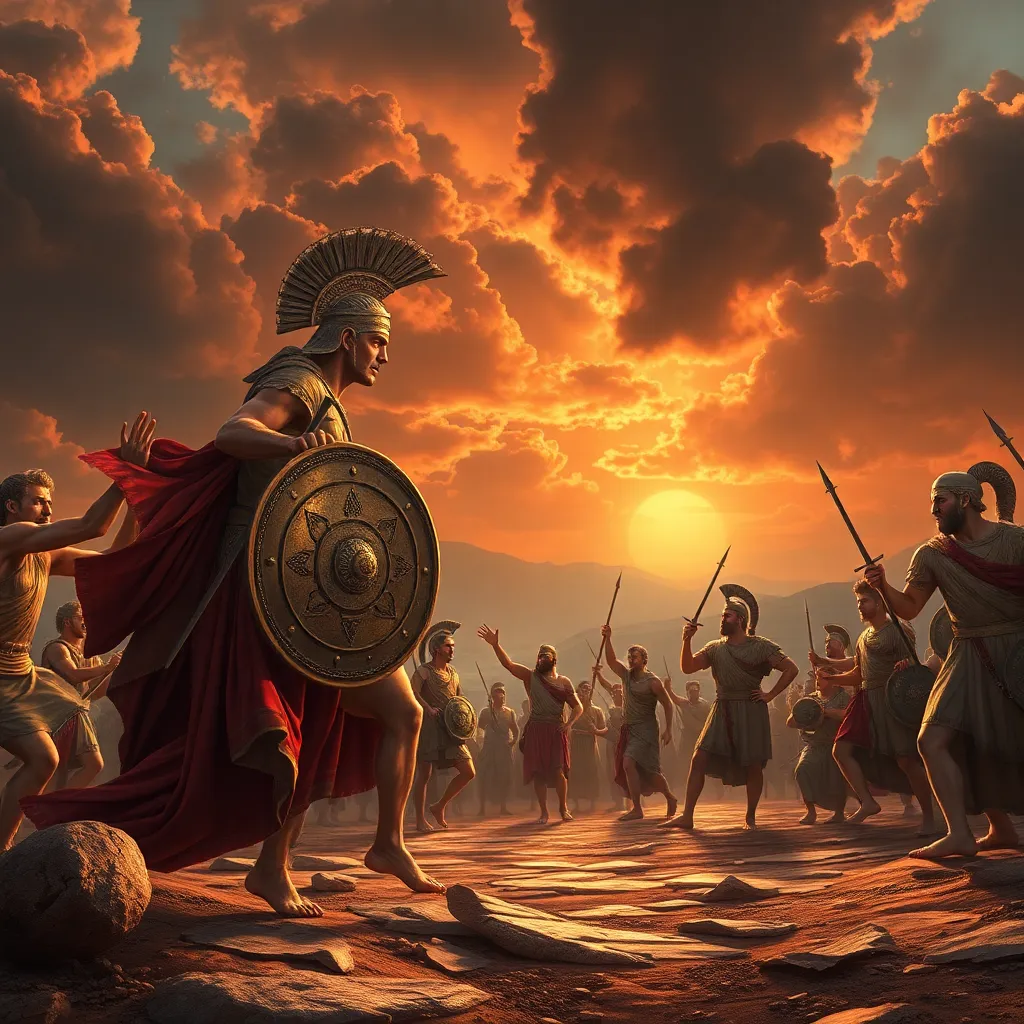
The Role of the Heroic Code in the Trojan War Narrative
I. Introduction
The concept of the Heroic Code is central to understanding the complexities of ancient Greek narratives, particularly within the context of the Trojan War. The Heroic Code encompasses a set of values and principles that define the behavior and expectations of heroes in Greek mythology. It serves as a moral framework guiding their actions in pursuit of honor, glory, and legacy.
The Trojan War narrative, a pivotal tale in Greek mythology, chronicles the epic conflict between the Greeks and Trojans, highlighting themes of heroism, sacrifice, and the interplay between fate and free will. This war has inspired countless literary and artistic works, reflecting its profound significance in the cultural heritage of Greece.
This article aims to explore the role of the Heroic Code within the Trojan War narrative, examining its historical context, key components, notable heroes, and the lasting impact of these themes in literature and society.
II. Historical Context of the Trojan War
The Trojan War, steeped in mythological origins, is often attributed to the strife between divine beings and mortals. According to legend, the war began with a beauty contest among the goddesses Hera, Athena, and Aphrodite, ultimately leading to the abduction of Helen by Paris, a prince of Troy. This act of passion ignited a conflict that would engulf the Greek world.
Key figures involved in this monumental conflict include:
- Achilles: The greatest Greek warrior, known for his unmatched strength and rage.
- Hector: The noble Trojan prince, celebrated for his honor and bravery.
- Odysseus: The cunning king of Ithaca, renowned for his intelligence and strategic prowess.
The Trojan War holds immense cultural importance in ancient Greek society, symbolizing the values of heroism and the consequences of pride and vengeance. It serves as a backdrop for exploring human emotions, the nature of conflict, and the role of the divine in human affairs.
III. The Components of the Heroic Code
The Heroic Code is characterized by several key values that dictate a hero’s actions:
- Honor: A hero’s reputation and respect among peers are paramount and often dictate their choices.
- Bravery: Courage in the face of danger is expected, and retreat is seen as shameful.
- Loyalty: Fidelity to comrades and country is crucial, often leading to self-sacrifice.
- Glory: The pursuit of everlasting fame motivates heroes to undertake great deeds, often at great personal cost.
Fate and the gods also play a significant role in shaping heroic actions. Heroes often grapple with their destinies, struggling between personal desires and divine interventions. This interplay raises questions about free will and the extent to which heroes control their fates.
In contrast, modern interpretations of heroism often emphasize individualism, moral ambiguity, and the complexity of human motivation. Today’s heroes may embody qualities such as vulnerability and emotional depth, diverging from the rigid ideals of the ancient Heroic Code.
IV. Heroes of the Trojan War: Exemplars of the Heroic Code
Several characters from the Trojan War exemplify the principles of the Heroic Code:
A. Achilles: The embodiment of personal honor and wrath
Achilles is perhaps the most iconic hero of the Trojan War, known for his exceptional prowess in battle and his deep-seated sense of honor. His rage following the death of his beloved friend Patroclus leads to catastrophic consequences for both himself and the Trojans.
B. Hector: The ideal of duty and familial loyalty
As the chief defender of Troy, Hector represents the hero’s duty to family and city. His fierce loyalty and willingness to face death for his loved ones and homeland showcase the nobility of his character, contrasting sharply with Achilles’ personal vendetta.
C. Odysseus: The clever hero and strategist
Odysseus embodies the intellectual aspect of heroism. His cunning and strategic mind lead to pivotal victories for the Greeks, including the famous ruse of the Trojan Horse. His journey also reflects the complexities of heroism beyond mere physical strength, highlighting the value of wisdom and adaptability.
V. The Consequences of Adhering to the Heroic Code
Adhering to the Heroic Code can lead to both rewards and tragic outcomes:
- Rewards of glory: Heroes like Achilles and Odysseus achieve eternal fame through their deeds, immortalized in songs and stories.
- Tragic outcomes: The rigid adherence to the Heroic Code can lead to devastating consequences, such as the deaths of countless warriors and the personal losses faced by the heroes themselves.
Characters such as Achilles and Hector face the repercussions of their choices, illustrating the duality of heroism—where glory often comes hand-in-hand with sorrow and loss.
VI. The Role of Women in the Heroic Code
Women in the Trojan War narrative, while often relegated to the background, significantly influence the unfolding events:
- Helen: Her abduction triggers the war, symbolizing both desire and the complexity of beauty.
- Andromache: Hector’s wife, representing the personal costs of war and the pain of loss.
- Cassandra: The prophetess whose warnings go unheeded, embodying the tragic consequences of ignoring wisdom.
The intersection of female agency and male heroism challenges the traditional notions of the Heroic Code, reflecting the diverse experiences of women in a patriarchal society. Their narratives add depth to the understanding of heroism and the moral complexities of war.
VII. The Legacy of the Heroic Code in Literature and Culture
The Heroic Code’s influence extends beyond ancient Greece, shaping later literary works and adaptations. Its themes resonate in various forms of storytelling, from epic poems to modern novels and films. This legacy emphasizes the enduring appeal of heroism and the moral dilemmas associated with it.
Key influences include:
- Homer’s Odyssey and Iliad, which continue to be studied for their exploration of heroism.
- Shakespeare’s plays, which often reflect themes of honor and tragedy.
- Modern cinema, where films frequently draw on the heroic archetype.
The lessons of the Heroic Code remain relevant today, prompting reflections on the nature of courage, sacrifice, and the quest for meaning in human life. The evolution of heroism has led to a more nuanced understanding of what it means to be a hero in contemporary narratives.
VIII. Conclusion
In summary, the Heroic Code plays a crucial role in shaping the narrative of the Trojan War, reflecting the values and ideals of ancient Greek society. The complexities of heroism, the interplay of fate and free will, and the tragic consequences of adhering to the code offer profound insights into human nature.
As we reflect on the relevance of these themes today, it becomes evident that the exploration of heroism and morality continues to resonate, prompting us to consider the complexities of our own choices and the legacies we wish to leave behind. The Trojan War narrative stands as a testament to the enduring power of stories that grapple with the intricacies of heroism, honor, and the human condition.