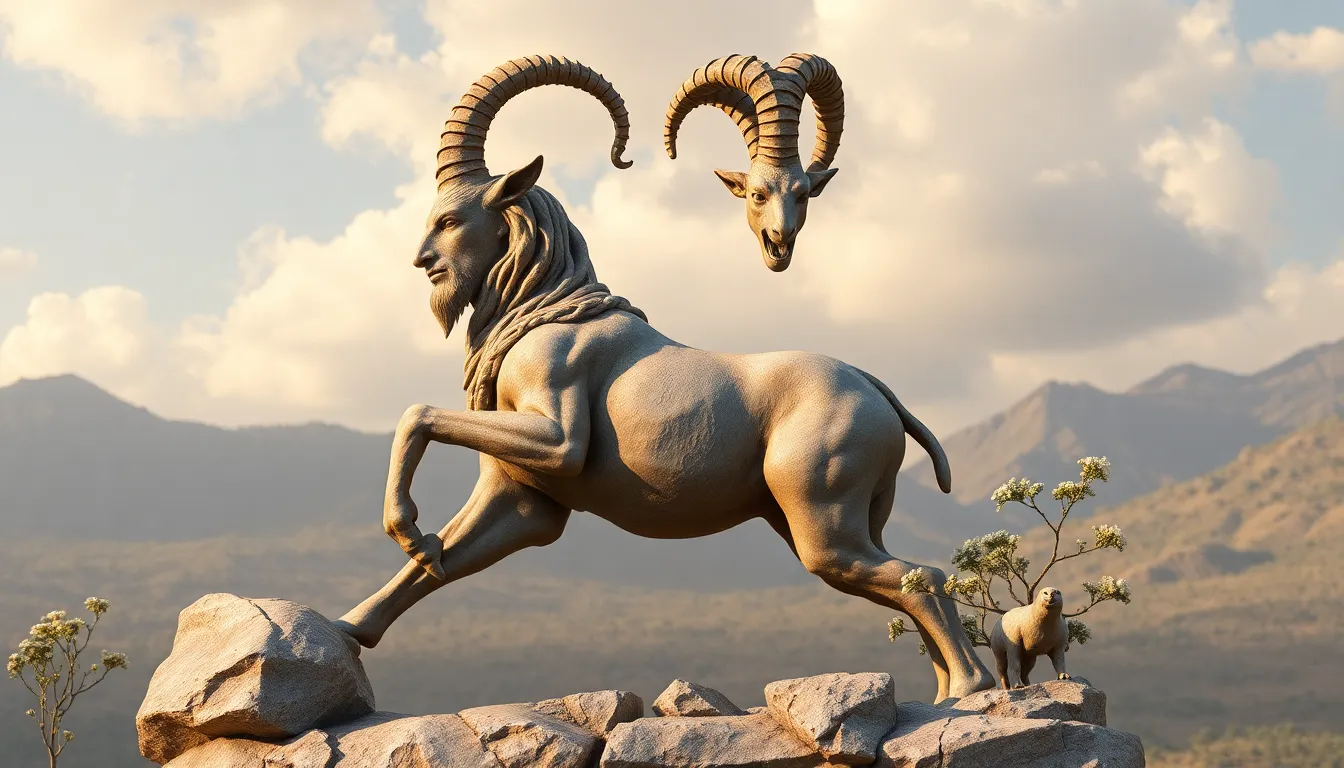
The Role of the Satyr: Symbols of Nature and Fertility
I. Introduction
In Greek mythology, Satyrs are often depicted as half-human, half-goat creatures, embodying the wild and untamed aspects of nature. These beings, associated closely with Dionysus, the god of wine and revelry, symbolize a deep connection to the environment and the primal forces of life. Their significance stretches beyond mere mythological characters; they represent essential themes of fertility, nature, and the instinctual side of humanity.
This article aims to explore the multifaceted symbolism of Satyrs in relation to nature and fertility, delving into their historical context, artistic representations, and cultural interpretations, ultimately highlighting their enduring legacy and relevance in modern society.
II. Historical Context of Satyrs
A. Origins in Greek mythology
Satyrs originated in ancient Greek mythology as companions of Dionysus. They are often described as playful and drunken beings, known for their love of music, dance, and revelry. Traditionally, Satyrs are depicted with features such as pointed ears, goat-like legs, and sometimes a tail, embodying their connection to the wilderness.

B. Evolution of Satyr representation in art and literature
Throughout history, Satyrs have been represented in various forms of art and literature. Initially, they were portrayed as mischievous and lecherous creatures, often engaging in playful antics. Over time, the representation of Satyrs evolved, reflecting deeper philosophical and psychological themes.
- Classical Art: In ancient sculptures and pottery, Satyrs were depicted in scenes of revelry, often alongside nymphs and Dionysus.
- Renaissance Art: Artists like Raphael and Michelangelo portrayed Satyrs with a newfound depth, emphasizing their dual nature as symbols of both chaos and beauty.
C. Comparison with other nature deities (e.g., Pan, fauns)
Satyrs are frequently compared to other nature deities, such as Pan and fauns. While all these figures share a connection to nature and fertility, they each have distinct characteristics:
- Pan: A primordial god representing the wild and rustic, Pan is often associated with shepherds and flocks.
- Fauns: In Roman mythology, fauns are similar to Satyrs but are often portrayed with a more gentle disposition, reflecting a balance between nature and civilization.
III. Satyrs as Symbols of Nature
A. Connection to the wilderness and untamed landscapes
Satyrs embody the spirit of the wilderness, representing the untamed and chaotic aspects of nature. They are often depicted frolicking in forests, mountains, and meadows, symbolizing humanity’s connection to the natural world. This connection emphasizes the importance of wild spaces and the instinctual behaviors that arise from them.
B. Representation of natural instincts and primal forces
As symbols of natural instincts, Satyrs personify our primal desires and urges. They reflect the untamed aspects of human nature, encompassing both the joys of life and the chaos that can ensue when one succumbs to these instincts. This duality serves as a reminder of the balance needed between civilization and the wild.
C. Satyrs in pastoral settings and their role in rural life
Satyrs are often depicted in pastoral settings, where they engage in activities such as dancing, playing music, and celebrating the bounty of the earth. Their presence in rural life symbolizes the joy found in nature, agricultural abundance, and the festivities surrounding the harvest. They represent the joyous aspects of human life intertwined with the cycles of nature.
IV. Satyrs and Fertility
A. Associations with agricultural abundance
In ancient cultures, Satyrs were closely associated with fertility and agricultural abundance. Their connection to Dionysus, the god of wine and fertility, reinforces this symbolism, as wine was seen as a gift from the earth that nourished both body and spirit. Satyrs personified the fertility of the land, celebrating the cycles of planting and harvest.
B. Role in fertility rituals and festivals, such as Dionysia
Satyrs played a significant role in fertility rituals and festivals, particularly during the Dionysia, a festival honoring Dionysus. These celebrations included theatrical performances, music, dancing, and the consumption of wine, all of which emphasized fertility and the celebration of life. Satyrs, as companions of Dionysus, were central figures in these festivities, embodying the spirit of revelry and abundance.
C. Symbolism of sexual freedom and procreation
Satyrs are often linked to themes of sexual freedom and procreation. Their unabashed pursuit of pleasure and revelry serves as a reminder of the natural instincts that drive human behavior. This association with sexuality reflects the broader theme of fertility, as the act of procreation is essential for sustaining life and ensuring the continuity of nature.
V. Satyrs in Art and Literature
A. Depictions of Satyrs in classical sculptures and paintings
Throughout history, Satyrs have been a popular subject in art, often depicted in various forms that capture their essence as symbols of nature and fertility.
- Classical Sculptures: Many ancient sculptures depict Satyrs in playful poses, often accompanied by wine vessels or musical instruments.
- Renaissance Paintings: Artists of the Renaissance used Satyrs to explore themes of nature and humanity, often highlighting their duality of innocence and chaos.
B. Literary portrayals in works by poets like Homer and Ovid
In literature, Satyrs have been featured prominently in the works of various poets and authors. For instance:
- Homer: In the “Odyssey,” Satyrs are mentioned as companions of Dionysus, engaging in revelry and mischief.
- Ovid: In “Metamorphoses,” Ovid describes the Satyrs in detail, emphasizing their connection to nature and their role in mythological narratives.
C. Modern interpretations and adaptations in contemporary media
In contemporary culture, Satyrs continue to inspire artists and writers. They are often reimagined in various forms, including:
- Films: Satyrs appear in fantasy films as whimsical characters that embody the spirit of nature.
- Literature: Modern fantasy novels often feature Satyr-like characters that explore themes of nature and magic.
VI. Psychological and Cultural Interpretations
A. Archetypal significance of Satyrs in Jungian psychology
In Jungian psychology, Satyrs can be viewed as archetypes representing the wild, instinctual aspects of the human psyche. They symbolize the untamed desires that reside within each individual, urging a balance between societal norms and primal instincts.
B. Satyrs as representations of human desires and instincts
Satyrs embody the struggle between civilization and nature, representing the human desire for freedom and expression. This symbolism resonates deeply in modern society, where individuals often grapple with societal expectations and their innate instincts.
C. Cultural reflections on nature and sexuality through Satyr mythology
Satyr mythology reflects cultural attitudes towards nature, sexuality, and the human condition. In various cultures, the celebration of natural instincts and fertility is often intertwined with the reverence for nature, showcasing the importance of these themes throughout history.
VII. Satyrs in Modern Society
A. The resurgence of interest in nature and fertility symbolism
In recent years, there has been a resurgence of interest in nature and fertility symbolism, with many people seeking to reconnect with the natural world. This has led to a renewed appreciation for the role of mythical beings like Satyrs as symbols of nature and fertility.
B. Satyrs in popular culture, including films and literature
Satyrs have found their way into popular culture, appearing in various forms of media:
- Fantasy Films: Movies that explore mythical realms often include Satyr-like characters that embody the spirit of nature.
- Young Adult Literature: Novels featuring Satyrs or Satyr-like characters often highlight themes of self-discovery and the importance of nature.
C. Environmental movements and the Satyr as a symbol of ecological balance</h3