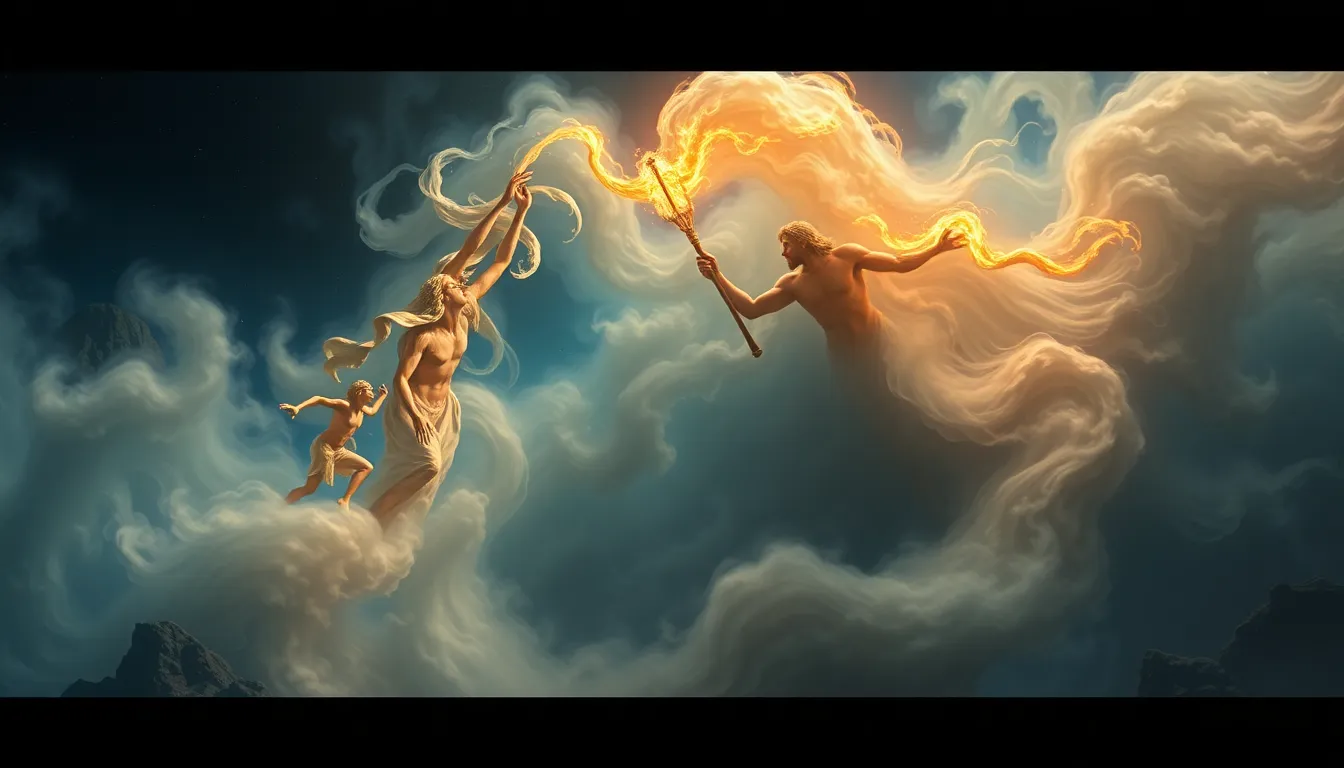
The Role of the Supernatural in Homer’s Epics: Beyond the Mortal Realm
I. Introduction
Homer’s epics, The Iliad and The Odyssey, are foundational texts of ancient Greek literature, providing not only thrilling narratives but also profound insights into the human condition. These epics are steeped in the supernatural, showcasing a world where gods and goddesses play critical roles in the lives of mortals. The divine interventions, omens, and prophecies found within these stories reveal the intricate relationships between the mortal and the divine, highlighting the importance of the supernatural in shaping human experiences and destinies.
This article aims to explore the influence of the supernatural on mortal lives as depicted in Homer’s works, examining how divine beings and forces interact with human characters, ultimately affecting their journeys and fates.
II. The Divine Hierarchy in Homer’s Epics
The pantheon of gods and goddesses in Homer’s epics is as complex as it is fascinating. Each deity embodies unique traits, powers, and domains, influencing the mortal realm in various ways. Key figures include:
- Zeus: The king of the gods, ruler of Mount Olympus, and god of thunder and justice.
- Hera: Zeus’s wife and goddess of marriage, often depicted as jealous and vengeful.
- Athena: Goddess of wisdom and war, a protector of Odysseus and a key player in his journey.
- Apollo: God of the sun, music, and prophecy, who often dispenses guidance to mortals.
- Poseidon: God of the sea, who plays a significant role in the challenges faced by Odysseus.
The relationship between gods and mortals is characterized by a mix of benevolence, conflict, and indifference. Mortals seek favor from the gods through prayers and sacrifices, while gods often interfere in human affairs, sometimes for noble reasons, other times out of personal vendettas.
This dynamic raises questions about fate and free will. While mortals can make choices, the gods often manipulate circumstances, leading to a complex interplay between predetermined destinies and personal agency.
III. The Supernatural as a Catalyst for Action
Divine intervention frequently alters the course of events in Homer’s epics. Key instances include:
- Thetis, mother of Achilles, implores Zeus to honor her son’s wishes, resulting in the shift of the tide in the Trojan War.
- Athena’s guidance helps Odysseus navigate numerous challenges during his journey home.
- The appearance of omens, such as the eagle carrying a serpent in The Iliad, serves as divine messages that influence mortal decision-making.
Ignoring supernatural signs often leads to dire consequences for characters. For instance, Agamemnon’s refusal to heed the warnings of Calchas ultimately leads to his downfall. These examples illustrate the weight of divine influence in determining mortal outcomes.
IV. The Role of Fate and Destiny
Fate is a central theme in Greek culture, often portrayed as an unavoidable force that governs the lives of both mortals and gods. The Moirai, or Fates, are personifications of destiny, weaving the threads of life for every individual.
Key characters in Homer’s works often grapple with their fated paths:
- Achilles: Foretold to meet his end in the Trojan War, he struggles with his desire for glory versus the inevitability of death.
- Odysseus: His journey home is fraught with challenges that test his cunning, but his eventual return is preordained.
The interplay between personal choice and divine will raises poignant questions about human agency. While characters strive to assert their will, they are often guided or thwarted by the gods, illustrating the tension between fate and free will.
V. The Influence of the Supernatural on Character Development
Encounters with the divine significantly shape the heroes in Homer’s epics. These interactions often lead to profound transformations and growth, as characters learn from their experiences with the supernatural.
For example:
- Achilles’ wrath and subsequent journey towards acceptance reveal the consequences of unchecked emotions and the importance of reconciliation.
- Odysseus’s encounters with deities like Circe and Calypso force him to confront his desires and ultimately refine his identity as a hero.
The moral and ethical implications of divine guidance also come to the forefront. Characters often face dilemmas that challenge their values, with the decisions they make reflecting their growth and understanding of their place in the world.
VI. Supernatural Beings and Their Impact on the Journey
Mythical creatures and spirits play critical roles in the journeys of Homeric heroes. They serve as both obstacles and guides, enriching the narrative with layers of meaning. Key supernatural encounters include:
- The Cyclops Polyphemus, whose monstrous nature and brute strength challenge Odysseus’s cunning and resourcefulness.
- Sirens, whose enchanting songs test the resolve of Odysseus and his crew, symbolizing the dangers of temptation.
- Hades, the realm of the dead, where Odysseus meets the spirits of the fallen, providing insights into his own mortality and the consequences of his actions.
These supernatural trials contribute significantly to the heroes’ development and the overarching themes of perseverance and self-discovery.
VII. The Symbolism of the Supernatural Elements
The supernatural in Homer’s epics serves as a representation of human emotions and struggles. Divine actions often mirror the inner conflicts faced by characters, providing a rich tapestry of symbolism throughout the narratives.
For instance:
- Divine wrath: The anger of Achilles can be seen as a reflection of human pride and the consequences of vengeance.
- Guidance and protection: Athena’s interventions symbolize wisdom and the importance of strategic thinking in overcoming adversity.
- Temptation and distraction: Encounters with enchanting beings like Circe represent the distractions that can derail one’s purpose.
The cultural significance of these supernatural motifs in ancient Greece reveals the values and beliefs of the society, emphasizing the importance of divine favor and the moral lessons imparted through these stories.
VIII. Conclusion
In summary, the supernatural plays an integral role in Homer’s epics, influencing mortal lives and shaping the narratives of The Iliad and The Odyssey. Through the dynamic interactions between gods and mortals, the themes of fate, free will, and moral development emerge, reflecting the complexities of human experience.
The enduring legacy of the supernatural in Homer’s works resonates with modern audiences, offering timeless insights into the struggles and triumphs of individuals as they navigate their paths in a world where the divine and mortal realms intersect. As readers continue to explore these ancient texts, the themes of divine intervention and the quest for understanding remain profoundly relevant.