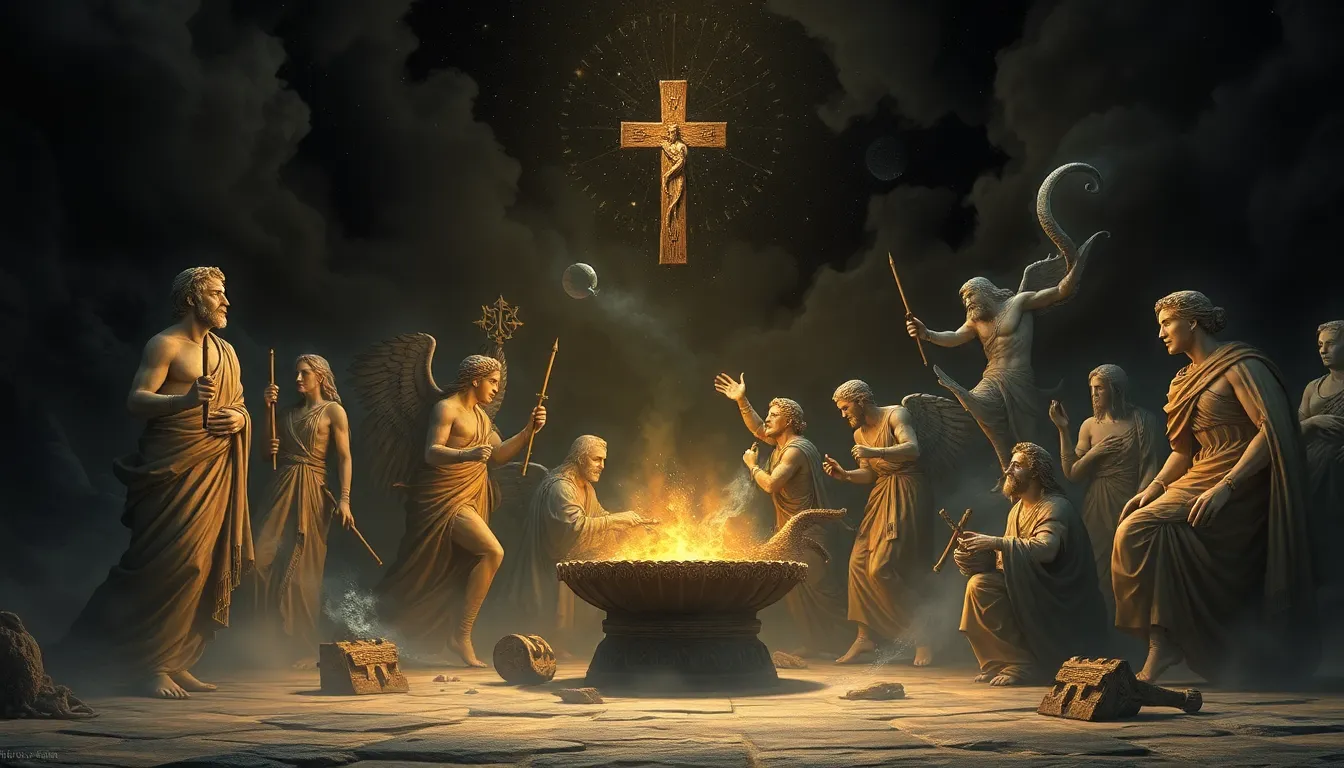
The Sacrifice of the Gods: Divine Intervention in Greek Myths
I. Introduction
Divine intervention is a recurring theme in Greek mythology, where the gods actively participate in the lives of mortals, shaping destinies and altering the course of human events. These interventions often reflect the complex relationship between gods and humans, emphasizing the importance of sacrifice as a means to gain favor and appease the divine.
This article explores the multifaceted nature of divine intervention in Greek myths, examining the characteristics of the gods, the role of sacrifice in ancient Greek culture, and significant instances of divine interference in mythological narratives. We will also analyze key myths that exemplify these themes and reflect on their lasting impact on modern interpretations of Greek mythology.
II. The Nature of the Gods in Greek Mythology
The Olympian gods of Greek mythology are portrayed with a rich tapestry of characteristics that embody both divine power and human-like traits. Understanding these attributes is essential to grasp the nature of divine intervention.
A. Characteristics of the Olympian gods
The Olympian gods are often depicted as:
- Powerful: They possess immense strength and control over various aspects of the world, including nature, war, and the human condition.
- Capricious: Their moods can change rapidly, leading to unpredictable actions towards mortals.
- Jealous: The gods often display jealousy, particularly when humans receive praise or favor that they feel belongs to them.
- Human-like: They exhibit emotions such as love, anger, and compassion, making them relatable to humans.

B. The concept of divine hierarchy and power dynamics
In Greek mythology, there exists a clear hierarchy among the gods, with Zeus at the apex as the king of the gods. This hierarchy influences the nature of divine intervention, as the actions of lesser gods often reflect the will of the more powerful deities.
C. The human-like traits of gods and their impact on myths
The anthropomorphic attributes of the gods serve as a crucial narrative device in myths. Their human-like qualities allow them to interact with mortals in ways that are both relatable and poignant, often leading to moral lessons or cautionary tales.
III. The Role of Sacrifice in Greek Culture
Sacrifice played a significant role in ancient Greek culture, serving as a means to communicate with the divine and ensure the favor of the gods.
A. Historical context of sacrifices in ancient Greece
In ancient Greece, sacrifices were integral to religious practices and were performed during festivals, rituals, and important life events. They were seen as essential to maintaining a harmonious relationship between mortals and deities.
B. Types of sacrifices: animal, human, and symbolic
Various forms of sacrifices were practiced, including:
- Animal sacrifices: The offering of livestock, such as sheep and cattle, was common and often accompanied by feasting.
- Human sacrifices: Though rarer, some myths describe instances where human lives were offered to appease the gods.
- Symbolic sacrifices: These could include offerings of food, wine, or other goods, intended to honor the gods without taking life.
C. The significance of rituals in maintaining favor with the gods
Rituals served as a formal means of communication with the divine. They were believed to enhance the relationship between humans and gods, ensuring protection, guidance, and blessings in return for devotion and sacrifice.
IV. Instances of Divine Intervention in Greek Myths
Many Greek myths highlight the theme of divine intervention, showcasing how the gods influence human lives, often with significant consequences.
A. Major myths featuring divine intervention
1. The Iliad and the role of gods in human affairs
The Iliad illustrates the gods’ active participation in the Trojan War, where they take sides and intervene in battles. For example, Athena aids the Greeks, while Aphrodite supports the Trojans, showcasing their personal allegiances and the impact of divine favoritism.
2. The Odyssey: divine assistance and obstacles
In The Odyssey, Odysseus receives assistance from Athena, who guides him home after the war. Conversely, Poseidon creates numerous obstacles for Odysseus, highlighting the dual nature of divine intervention as both helpful and hindering.
B. Lesser-known myths illustrating intervention
In addition to the major epics, numerous lesser-known myths demonstrate divine intervention, such as:
- The story of Arachne, who challenges Athena and is turned into a spider as punishment for her hubris.
- The tale of Niobe, whose pride leads to the death of her children at the hands of Apollo and Artemis.
C. Consequences of divine interference for mortals
Divine intervention often results in significant consequences for mortals, ranging from blessings and protection to punishment and tragedy. These outcomes reflect the gods’ capricious nature and the moral lessons embedded in the myths.
V. The Concept of Sacrifice as a Means of Divine Favor
The act of sacrifice is often portrayed as a transactional relationship between gods and humans, where offerings are made to secure divine favor.
A. Sacrifices as a transaction between gods and humans
This reciprocal relationship underscores the belief that the gods require offerings to bestow blessings or avert disasters. The success of a sacrifice often depended on the correct performance of rituals and the sincerity of the offering.
B. Myths where sacrifices alter the fate of characters
Several myths illustrate how sacrifices can change destinies, such as:
- The story of Iphigenia, whose sacrifice is demanded by Agamemnon to ensure favorable winds for the Greek fleet.
- The tale of Prometheus, who sacrifices his comfort to bring fire to humanity, resulting in both divine punishment and human advancement.
C. The moral implications of divine demands for sacrifice
These narratives often raise moral questions about the nature of sacrifice and the extent to which mortals should go to appease the gods. The tension between obligation and free will becomes a central theme in many myths.
VI. Analyzing Key Myths of Sacrifice and Intervention
To further understand the themes of sacrifice and divine intervention, we will analyze several key myths that illustrate these concepts.
A. The story of Prometheus and the gift of fire
Prometheus defies Zeus by stealing fire from the gods and giving it to humanity. This act of rebellion not only symbolizes enlightenment but also underscores the price of defiance against divine authority. Prometheus’s subsequent punishment serves as a cautionary tale about the consequences of overstepping boundaries.
B. Iphigenia and the theme of sacrifice for divine approval
Iphigenia’s sacrifice at Aulis exemplifies the tragic consequences of divine demands. Agamemnon’s decision to sacrifice his daughter to appease Artemis highlights the moral dilemmas faced by mortals when confronted with divine will.
C. The tale of Odysseus and the sacrifice of his crew
In The Odyssey, the crew’s sacrifice to appease the gods after consuming the cattle of Helios serves as a stark reminder of the repercussions of disobedience. Their fates illustrate the delicate balance between human agency and divine influence.
VII. The Legacy of Divine Intervention in Modern Interpretations
The themes of divine intervention and sacrifice in Greek mythology continue to resonate in contemporary literature, art, and culture.
A. Influence of Greek mythology on literature and art
Many modern works draw inspiration from Greek myths, exploring themes of sacrifice, divine intervention, and the human condition. Authors and artists often reinterpret