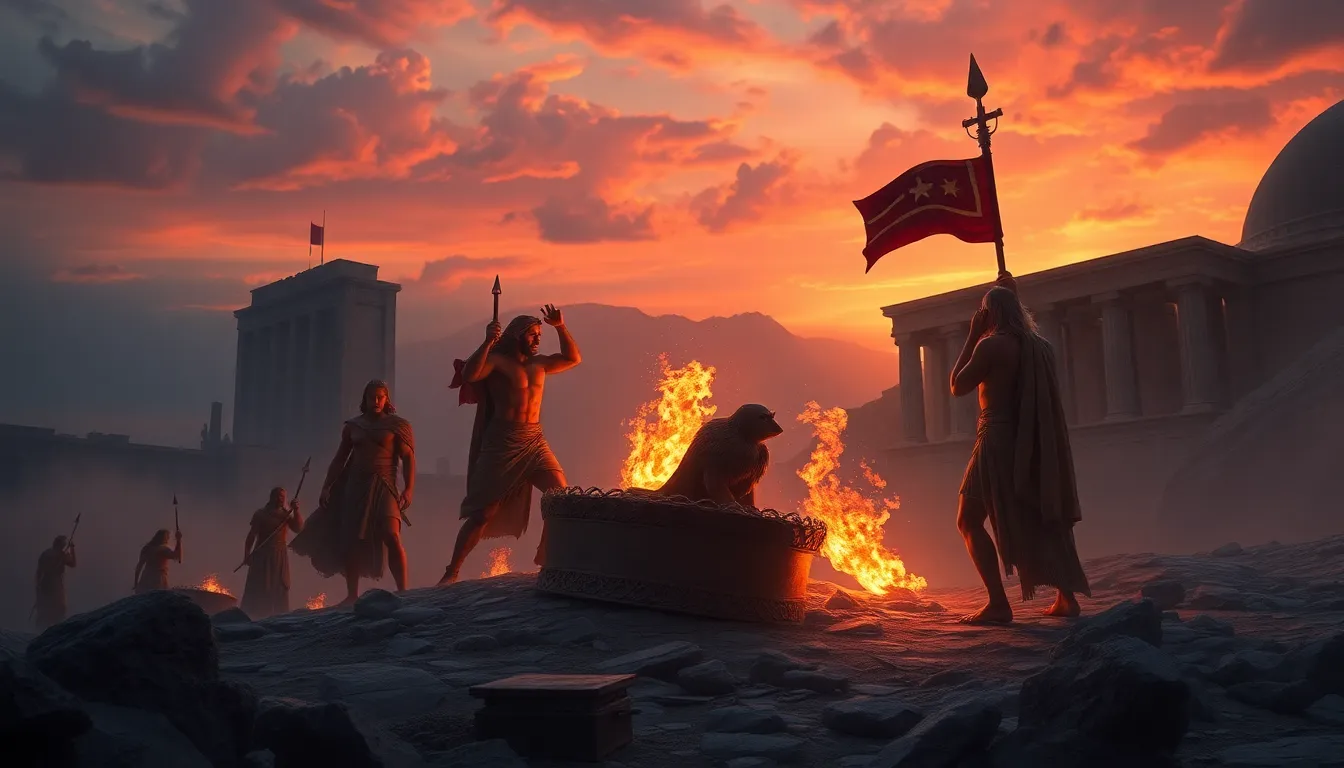
The Sacrifice of the Seven Against Thebes: A Tale of Valor
I. Introduction
Greek mythology is a rich tapestry of stories featuring gods, heroes, and moral lessons that have transcended time. Among these tales, the story of the Seven Against Thebes stands out for its exploration of valor, sacrifice, and familial loyalty. This myth not only depicts the heroic endeavors of its characters but also serves as a critical commentary on the nature of conflict and the consequences of ambition.
The narrative of the Seven Against Thebes holds a significant place in Greek literature, influencing countless works from antiquity to the modern era. It speaks to the human condition, exploring themes of honor, tragedy, and the inevitable consequences of fate. This article aims to delve into the historical and mythological context of the tale, the profiles of the seven heroes involved, the strategies employed during the siege, the themes of sacrifice and valor, and the cultural impact of this enduring myth.
II. Historical and Mythological Background
The city of Thebes, a prominent setting in Greek mythology, was known for its wealth, power, and turbulent history. It was often portrayed as a city marked by strife and conflict, particularly due to the curse that afflicted the House of Cadmus, its legendary founder. The curse, which led to a cycle of violence and tragedy within the royal family, set the stage for the conflict between Eteocles and Polynices, the sons of Oedipus.
The foundation of the conflict began when Eteocles and Polynices, after rescuing their city from the Sphinx, agreed to alternate in ruling Thebes. However, Eteocles, once in power, refused to relinquish the throne, prompting Polynices to seek help in reclaiming his birthright. His quest for allies culminated in the formation of the Seven Against Thebes, a coalition of formidable heroes determined to lay siege to the city.
III. The Seven Heroes: Profiles of Valor
The Seven Against Thebes were not just warriors; they were emblematic of the heroic ideals in ancient Greece. Each leader brought unique strengths and motivations to the campaign:
- Adrastus: The king of Argos and the leader of the expedition, known for his wisdom and strategic prowess.
- Tydeus: A fierce warrior and the father of Diomedes, renowned for his courage and combat skills.
- Amphiaraus: A seer and warrior, whose foresight about the disastrous outcome of the expedition made his participation tragic.
- Capaneus: Known for his hubris, he was a formidable fighter who believed he could conquer Thebes despite the gods’ warnings.
- Hippomedon: A brave warrior, respected for his physical strength and valor in battle.
- Polyneices: The exiled brother of Eteocles, driven by a desire to reclaim his rightful throne and avenge the family’s honor.
- Parthenopaeus: The youngest of the heroes, celebrated for his youthful vigor and exceptional archery skills.
The motivations of these heroes varied from personal ambition to familial loyalty, yet they shared a common desire for glory and honor that drove them to join the fateful campaign against Thebes.
IV. The Siege of Thebes
The siege of Thebes was marked by fierce battles, strategic maneuvers, and significant losses on both sides. The Seven heroes employed various tactics, including:
- Utilizing their unique skills to attack different gates of Thebes.
- Forming alliances with other warriors and tribes to bolster their forces.
- Employing psychological warfare to intimidate the defenders.
The significance of the seven gates of Thebes cannot be understated, as each hero was assigned to breach a specific gate, symbolizing their individual strengths and contributions to the collective effort. The siege saw numerous key battles, with turning points that highlighted the bravery and desperation of both the attackers and defenders.
V. Themes of Sacrifice and Valor
Central to the tale of the Seven Against Thebes are the themes of sacrifice and valor. In ancient Greek culture, heroism was defined not just by martial prowess but by the willingness to face death for a greater cause. The Seven exemplified these ideals through their actions:
- They willingly risked their lives to restore honor to their families and cities.
- Each hero faced personal dilemmas, questioning the morality of their choices and the futility of the conflict.
- Their sacrifices underscored the tragic nature of their quest, as many were aware of their likely doom.
The moral implications of their choices resonate throughout the narrative, encouraging reflection on the nature of heroism, loyalty, and the costs of ambition.
VI. The Aftermath of the Siege
The consequences of the siege were dire for both Thebes and its attackers. The city, though initially under siege, ultimately faced devastation and loss. The fates of the Seven heroes were equally tragic:
- Adrastus survived but returned home in shame, having lost his allies.
- Tydeus perished in battle, his death marked by his refusal to accept defeat.
- Amphiaraus, foreseeing the tragedy, met his end in a tragic manner, swallowed by the earth.
- Capaneus was struck down by Zeus as punishment for his arrogance.
- Hippomedon fell in battle, fighting valiantly to the end.
- Polyneices and Eteocles killed each other in a duel, fulfilling the curse of their lineage.
- Parthenopaeus, the youngest, met his end in a battle, showcasing the futility of youthful bravado.
The legacy of their sacrifice echoed through later literature and art, serving as a poignant reminder of the human cost of conflict and the ideals of heroism.
VII. The Cultural Impact of the Tale
The tale of the Seven Against Thebes has had a profound influence on subsequent Greek tragedies and dramas. Notable playwrights such as Aeschylus and Euripides explored the themes of this myth, drawing upon its rich narrative to comment on the human experience.
In modern interpretations, the story continues to resonate, reflecting contemporary issues of sacrifice, honor, and the struggles of familial loyalty. The symbolism of sacrifice and valor remains relevant, inspiring various artistic expressions across mediums, from literature to film.
VIII. Conclusion
In summary, the story of the Seven Against Thebes is a powerful exploration of heroism, sacrifice, and the tragic consequences of ambition. The tale invites readers to reflect on the nature of valor and the moral choices that define human experience. As we analyze the sacrifices made by these heroes, we find echoes of their struggles in our own lives, reminding us of the enduring significance of their story in the tapestry of human history.
Ultimately, the narrative of the Seven Against Thebes serves as a timeless reminder of the complexities of heroism and the sacrifices that often accompany the pursuit of honor and glory.