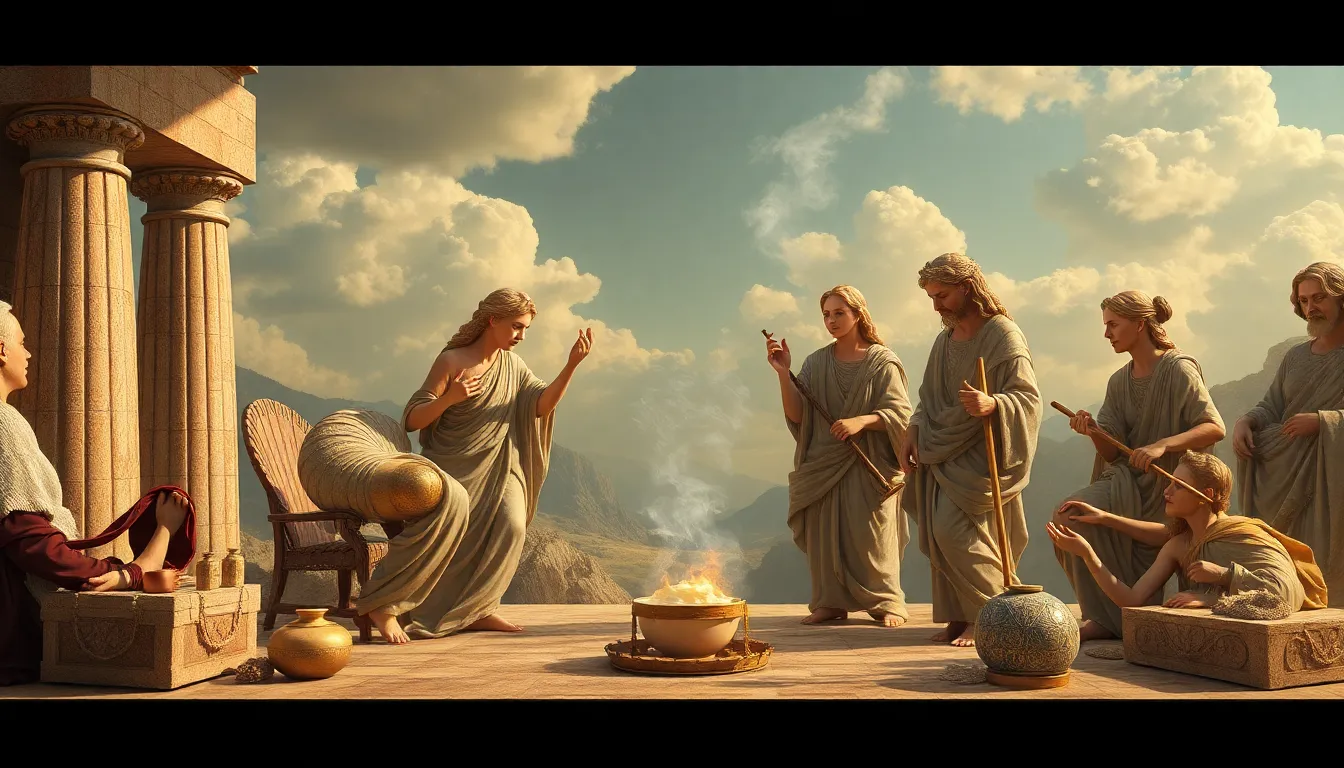
The Sacrifices of the Muses: Inspiration Through Offerings
I. Introduction
The Muses, the nine goddesses of inspiration in Greek mythology, hold a pivotal role in the realms of art, music, and literature. Each Muse embodies a different aspect of the creative process, ranging from epic poetry to dance. They are often considered the divine sources of inspiration, guiding artists and thinkers throughout history.
In the context of creativity, the concept of sacrifice emerges as a significant theme. Artists and creators often find themselves making various sacrifices in pursuit of their craft, whether it be time, resources, or emotional investment. This article aims to explore how offerings to the Muses can enhance artistic inspiration, delving into historical contexts, personal anecdotes, and the evolving nature of sacrifices in today’s creative landscape.
II. Historical Context of the Muses
A. Origins of the Muses in Greek Mythology
The Muses are said to have been born from the union of Zeus, the king of the gods, and Mnemosyne, the goddess of memory. According to ancient myths, they were traditionally invoked at the beginning of artistic endeavors to inspire creativity and ensure the success of the work.

B. The Significance of the Muses in Ancient Art and Literature
In ancient Greece, the Muses were revered not only as sources of inspiration but also as protectors of the arts. Poets, musicians, and philosophers often dedicated their works to the Muses, seeking their blessing in the creative process. Temples and shrines were built in their honor, where artists would come to pray for guidance and inspiration.
C. Examples of Offerings Made to the Muses by Historical Figures
- Homer: Before composing the “Iliad” and the “Odyssey,” Homer is believed to have invoked the Muses for inspiration.
- Pindar: The famous lyric poet often began his odes with invocations to the Muses, asking for their support in his poetic endeavors.
- Plato: In his dialogues, he frequently referenced the Muses as embodiments of the knowledge and inspiration required for philosophical thought.
III. The Nature of Sacrifice in the Creative Process
A. Definition of Sacrifice in the Context of Creativity
In the realm of creativity, sacrifice can be understood as the act of giving up something valuable in pursuit of artistic expression. This could mean dedicating time, resources, or emotional energy to a project that may not guarantee success.
B. Different Forms of Sacrifice: Time, Resources, and Emotional Investment
Artists often face various forms of sacrifice, including:
- Time: Long hours spent perfecting a craft or working on a project.
- Resources: Financial investments in materials, education, or space for creation.
- Emotional Investment: The vulnerability and personal exposure that comes with sharing one’s work with the world.
C. Personal Anecdotes from Artists Regarding Their Sacrifices
Many artists have shared their personal stories of sacrifice. For instance, acclaimed painter Vincent van Gogh sacrificed financial stability for his art, living in poverty while pursuing his passion. Similarly, contemporary musicians often recount the struggles of balancing day jobs with their artistic aspirations.
IV. The Symbolism of Offerings
A. Types of Offerings: Physical, Emotional, and Spiritual
Offerings to the Muses can take various forms:
- Physical Offerings: Such as dedicating a piece of art or music directly to the Muses.
- Emotional Offerings: Pouring one’s feelings and personal experiences into creative work.
- Spiritual Offerings: Engaging in rituals or practices that honor the Muses, such as meditation or prayer.
B. The Role of Rituals and Tradition in Honoring the Muses
Throughout history, artists have engaged in various rituals to invoke the Muses. These can include:
- Lighting candles or incense to create a sacred space.
- Reciting prayers or poems dedicated to the Muses.
- Participating in communal gatherings where artistic talents are shared and celebrated.
C. How Offerings Can Serve as Catalysts for Inspiration
When artists make offerings to the Muses, they create a mindset conducive to inspiration. The act of giving can open channels of creativity, allowing new ideas and perspectives to flow. For many, these rituals become essential parts of their creative process.
V. Case Studies: Artists and Their Offerings
A. Famous Artists Who Have Made Sacrifices for Their Art
Throughout history, numerous artists have made significant sacrifices for their craft. Some notable examples include:
- Frida Kahlo: Endured physical pain and emotional turmoil, channeling her experiences into her art.
- Beethoven: Composed some of his greatest works after losing his hearing, sacrificing his comfort for his passion.
- Georgia O’Keeffe: Moved to the remote landscapes of New Mexico, sacrificing urban comforts for artistic inspiration.
B. Analysis of Specific Works Created Through Inspired Sacrifice
Many masterpieces have roots in the sacrifices made by their creators. For instance, Kahlo’s “The Two Fridas” reflects her dual identity and personal struggles, while Beethoven’s “Symphony No. 9” embodies the triumph of the human spirit in the face of adversity.
C. Interviews or Quotes from Contemporary Artists on Their Personal Sacrifices
Contemporary artists often reflect on their own sacrifices. For example, artist Ai Weiwei stated, “Creativity is born out of struggle; every piece I create is a reflection of the sacrifices I’ve made.” Similarly, author Elizabeth Gilbert has spoken about the sacrifices involved in her writing journey, emphasizing that every book is a product of dedication and personal investment.
VI. The Psychological Impact of Sacrifice on Creativity
A. The Relationship Between Sacrifice and Creative Flow
Research indicates a strong correlation between sacrifice and creative flow. The commitment to one’s craft often leads to deeper engagement and exploration, fostering an environment where inspiration can thrive.
B. Research on the Psychology of Inspiration and Motivation
Studies in psychology suggest that artists who willingly make sacrifices for their art report higher levels of intrinsic motivation. This motivation often translates into a greater sense of fulfillment and creative output.
C. How the Act of Offering Can Lead to Deeper Artistic Exploration
When artists make offerings, they engage in a process of self-discovery. This act can encourage them to delve deeper into their emotions, experiences, and creative instincts, resulting in more profound and resonant works.
VII. Modern Interpretations of Sacrifices to the Muses
A. How Contemporary Artists Honor the Muses in Today’s World
In the modern era, artists continue to honor the Muses through various practices. Many engage in mindfulness and meditation to connect with their creative selves, while others participate in community art projects that celebrate collective inspiration.
B. The Evolving Nature of Offerings in the Digital Age
With the rise of digital media, offerings to the Muses have transformed. Artists now utilize social media platforms to share their work and seek inspiration from a global audience, creating a new form of communal offering.
C. Examples of Modern Practices and Rituals Among Creative Individuals
Modern artists often create their own rituals, such as:
- Creating vision boards that symbolize their goals and intentions.
- Writing daily affirmations or intentions related to their creative practice.
- Participating in online challenges that encourage artistic growth and community.
VIII. Conclusion
This exploration into the sacrifices made to the Muses reveals the deep connection between offering and inspiration. From historical contexts to modern interpretations, the act of sacrifice remains a vital component of the creative process. As artists continue to navigate their journeys, recognizing the importance of these offerings can enhance their pursuit of inspiration.