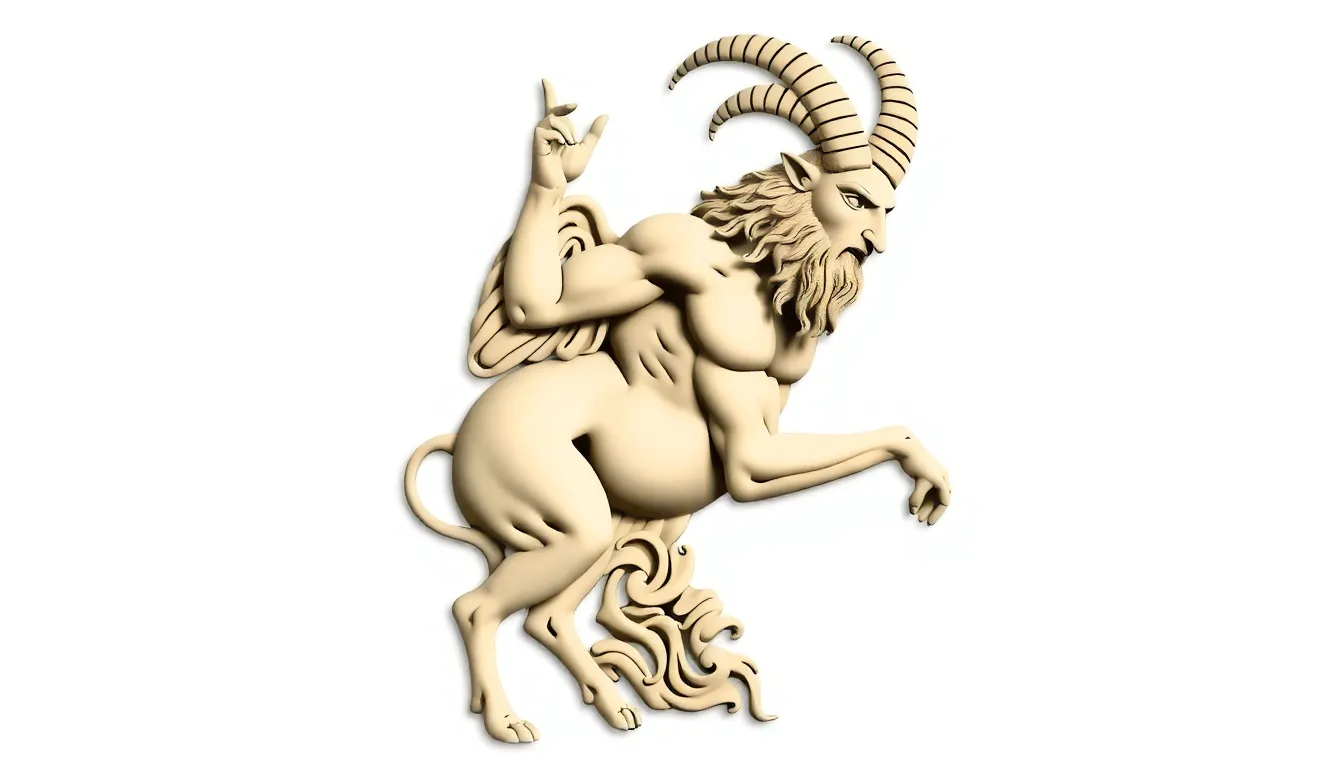
The Satyr as a Cultural Icon: Representations Through History
I. Introduction
The Satyr, a half-human, half-goat creature from ancient mythology, embodies the spirit of nature, revelry, and instinct. In classical texts, Satyrs are often depicted as companions of Dionysus, the god of wine, fertility, and festivity, reflecting humanity’s duality of civility and primal instincts.
This article explores the significance of Satyrs across various cultures, tracing their origins in Greek mythology, their adaptations in Roman culture, and their representations throughout the Renaissance to contemporary times. By examining the Satyr’s evolution, we gain insight into how this mythical figure has become a cultural icon, symbolizing a connection to nature, freedom, and the complexities of human behavior.
II. Origins of the Satyr in Ancient Mythology
The roots of the Satyr can be traced back to ancient Greek mythology, where they were often linked to Dionysian rituals. These creatures were integral to the celebrations that honored the god of wine, embodying the uninhibited spirit of festivity.
- Historical Roots in Greek Mythology: Satyrs were frequently depicted in Greek art and literature, characterized by their goat-like features, including horns, hooves, and a fondness for music and dance.
- Connection to Dionysian Rituals: In many myths, Satyrs participated in ecstatic celebrations, known as Bacchanalia, which emphasized the joys of life and the abandonment of societal norms.
- Characteristics and Symbolism: Satyrs symbolize fertility, sensuality, and the untamed forces of nature. In literature, they are often portrayed as mischievous, hedonistic, and playful, representing humanity’s primal desires.
III. The Satyr in Roman Culture
As Greek culture transitioned into Roman society, the Satyr was adapted and transformed in literature and art. While retaining many characteristics, the Roman interpretation added new layers of meaning.
- Adaptation in Roman Literature and Art: Roman poets such as Ovid and Virgil integrated Satyrs into their works, often portraying them as symbols of pastoral life and the pleasures of nature.
- Comparison with Greek Representations: While Greek Satyrs were often wild and chaotic, Roman depictions leaned toward a more refined aesthetic, reflecting the changing values of society.
- Influence on Roman Entertainment: Satyrs became popular figures in Roman theater, often serving as comic relief and embodying the theme of transformation and disguise.
IV. The Satyr in the Renaissance and Baroque Periods
The Renaissance marked a revival of classical themes, resulting in a resurgence of interest in Satyrs as artistic subjects. Artists drew inspiration from mythology to explore themes of nature, sensuality, and human emotion.
- Revival of Classical Themes: The fascination with classical antiquity led to the inclusion of Satyrs in paintings, sculptures, and literature, highlighting their connection to nature and the human experience.
- Notable Works Featuring Satyrs: Artists such as Peter Paul Rubens and François Boucher created iconic works that depicted Satyrs in lush landscapes, often intertwined with themes of love and revelry.
- The Satyr as a Symbol of Nature and Sensuality: In this period, Satyrs represented not just primal instincts, but also the beauty and allure of the natural world, often associated with fertility and the joyous aspects of life.
V. The Satyr in Literature
The portrayal of Satyrs in literature has evolved, reflecting societal changes and new literary movements. From classical to modern times, their presence illustrates the complexities of human nature.
- Depictions in Classical and Modern Literature: In classical works, Satyrs often appeared in pastoral poetry, while in modern literature, they have been reimagined as symbols of rebellion or freedom.
- Examples of Significant Literary Works: Notable examples include Shakespeare’s “A Midsummer Night’s Dream,” where the character of Puck embodies the playful, mischievous spirit of the Satyr.
- The Evolution of the Satyr’s Role: Over time, the Satyr’s role has shifted from a mere symbol of excess to a more nuanced character reflecting the struggle between civilization and wildness.
VI. The Satyr in Contemporary Culture
Today, Satyrs continue to capture the imagination of artists, writers, and filmmakers, appearing in various forms of modern media.
- Representation in Modern Media: Satyrs can be found in films, television shows, and video games, often depicted as whimsical characters or as embodiments of nature and freedom.
- The Satyr as a Metaphor for Freedom and Rebellion: In contemporary narratives, Satyrs often symbolize the rejection of societal constraints and the embrace of one’s true self.
- Public Perception and Cultural Significance: Today, Satyrs are perceived as complex figures that challenge conventional notions of morality and human behavior, resonating with audiences seeking authenticity and connection to nature.
VII. The Satyr and Environmental Symbolism
The Satyr’s deep-rooted connection to nature has positioned it as a symbol of environmental awareness and the importance of preserving the natural world.
- The Satyr as a Representation of the Natural World: As beings that embody the spirit of wilderness, Satyrs remind us of the beauty and wildness inherent in nature.
- Exploration of Themes of Wilderness and Instinct: Satyrs often serve as a metaphor for the instinctual aspects of humanity, urging a return to our roots and a reconnection with the earth.
- The Satyr’s Role in Environmental Movements: In literature and art, Satyrs have been used as symbols in environmental campaigns, advocating for the protection of nature and the balance of ecosystems.
VIII. Conclusion
The journey of the Satyr through history reflects humanity’s evolving relationship with nature, instinct, and culture. From their origins in Greek mythology to their contemporary representations, Satyrs have maintained a significant cultural presence.
As symbols of freedom, rebellion, and the natural world, Satyrs continue to inspire artists and thinkers, reminding us of the primal forces that shape our existence. Their enduring legacy as cultural icons highlights the relevance of these ancient figures in modern society, encouraging a deeper understanding of our connection to the world around us.