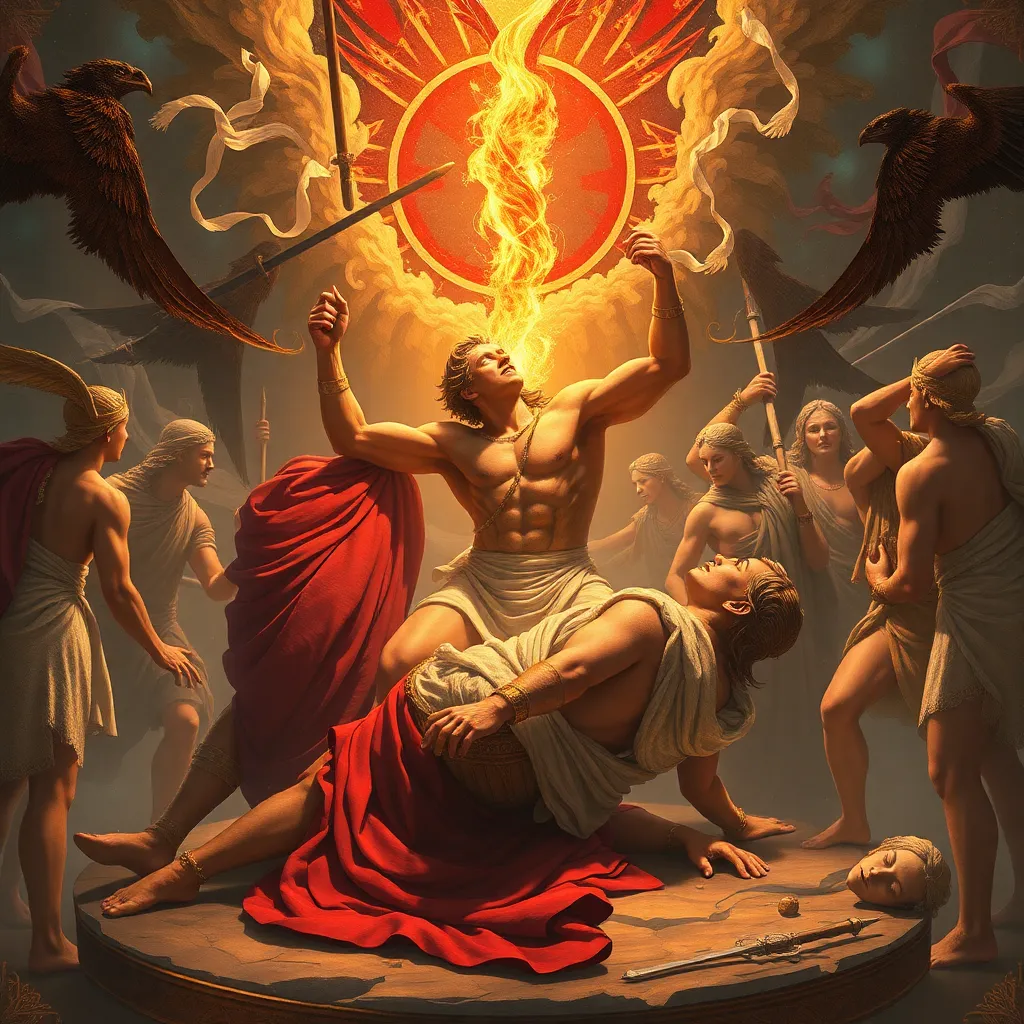
The Symbolism of Achilles’ Death in the Iliad
I. Introduction
Achilles, the central figure of Homer’s epic poem the Iliad, is one of the most complex and powerful heroes in Greek mythology. His tale is a poignant exploration of glory, mortality, and the human condition. The significance of Achilles’ death is pivotal in the narrative, as it marks the culmination of his heroic journey and the tragic reality of his existence. This article aims to delve into the symbolism behind Achilles’ death, examining how it reflects broader themes within the epic and the human experience.
II. The Heroic Code and Achilles
The heroic code, a set of values that defined the actions and beliefs of Greek heroes, emphasizes honor, bravery, and the pursuit of glory. Within this framework, Achilles stands as the embodiment of the heroic ideal, showcasing unmatched prowess in battle and an unwavering commitment to his principles.
- Bravery: Achilles is celebrated for his fearlessness in combat.
- Honor: The warrior’s reputation and legacy are paramount to Achilles.
- Revenge: His quest for vengeance following the death of Patroclus exemplifies his adherence to the heroic code.
Achilles’ death, therefore, holds profound implications for the heroic ideal. It serves as a reminder that even the greatest heroes are not immune to fate, challenging the notion of invincibility that often surrounds them.
III. The Role of Fate and Destiny
In the Iliad, the concept of fate is paramount, dictating the lives of both mortals and gods. Achilles is acutely aware of his predetermined death, having been foretold that he would die young but achieve everlasting glory. This dual awareness shapes his actions throughout the epic.
Achilles’ struggle against fate is evident in his choices, particularly in his initial refusal to fight after Agamemnon dishonors him. His eventual return to battle, driven by the death of Patroclus, symbolizes a poignant acceptance of his destiny. Thus, his death serves as a powerful symbol of the human struggle against the inexorable forces of fate.
IV. The Theme of Mortality
Achilles epitomizes a dual nature: he possesses godlike strength and ferocity yet remains vulnerable to the inevitability of death. This tension between his divine qualities and human limitations is central to the theme of mortality in the Iliad.
The significance of mortality is accentuated by Achilles’ journey, where his quest for glory ultimately leads to his demise. His death challenges the perception of heroism, forcing characters and readers alike to confront the transient nature of life and the legacy one leaves behind.
V. The Relationship Between Glory and Death
For Achilles, the pursuit of glory is a driving force. His desire to be remembered as the greatest warrior compels him to embrace the battlefield, even at the cost of his life. The paradox of achieving glory through death is starkly illustrated in his story.
Achilles’ death reflects the tension between life and eternal fame, suggesting that true immortality comes at a grave cost. This complex relationship invites readers to ponder the value of glory and the sacrifices made in its pursuit.
VI. The Emotional and Psychological Impact on Other Characters
Achilles’ death reverberates throughout the Iliad, profoundly affecting those around him. The emotional toll on Patroclus, who seeks to avenge his fallen friend, and Hector, who faces Achilles in battle, highlights the interconnectedness of grief and loss.
- Patroclus: His death serves as the catalyst for Achilles’ return to combat and ultimately leads to Achilles’ own demise.
- Hector: As Achilles avenges Patroclus, Hector’s death signifies the tragic cycle of revenge.
- The Greek and Trojan armies: The reaction to Achilles’ death shifts the balance of power, instigating further conflict.
The broader implications for themes of grief and loss in the Iliad are profound, illustrating how Achilles’ journey impacts all involved, leaving a legacy of sorrow and reflection.
VII. Symbolism of Achilles’ Armor and Legacy
Achilles’ armor, forged by the god Hephaestus, symbolizes his identity, honor, and status as the greatest warrior. The significance of this armor in the context of his death cannot be overstated.
- Protection and Identity: The armor represents Achilles’ invulnerability and heroic status.
- Legacy Transfer: Following his death, the armor becomes a contested symbol, illustrating the struggle for identity and honor among the surviving warriors.
- Ongoing Struggle: The quest for Achilles’ armor reflects the ongoing conflict for glory and recognition in the wake of his passing.
Thus, the symbolism of Achilles’ armor extends beyond mere protection, embodying the complexities of legacy and the enduring struggle for honor.
VIII. Conclusion
In conclusion, the symbolism associated with Achilles’ death is rich and multifaceted, encompassing themes of the heroic code, fate, mortality, and the quest for glory. His story invites readers to reflect on the nature of heroism, the cost of glory, and the inevitability of death.
The enduring relevance of Achilles’ symbolism continues to resonate in contemporary literature and culture, serving as a powerful reminder of the human condition. Through Achilles’ journey and demise, we learn invaluable lessons about the balance between ambition and acceptance, the pursuit of honor, and the inescapable fate that binds us all.