The Symbolism of the Labyrinth: Philosophical Interpretations in Greek Myth
I. Introduction
The labyrinth holds a unique and profound place in Greek mythology, symbolizing complex pathways of existence and the journey of life itself. In its most famous incarnation, the labyrinth was a vast, intricate maze designed by the craftsman Daedalus to contain the fearsome Minotaur, a creature that was part man and part bull. However, the labyrinth transcends its literal structure, embodying deeper philosophical concepts that resonate through history and into modern thought.
This article will delve into the labyrinth’s cultural and historical significance, as well as its philosophical interpretations. By exploring the various dimensions of this powerful symbol, we aim to uncover how the labyrinth mirrors the complexities of life, challenges of the human mind, and the pursuit of knowledge and ethical understanding.
II. The Labyrinth in Myth: A Brief Overview
The story of Theseus and the Minotaur is central to the myth of the labyrinth. According to legend, King Minos of Crete demanded tribute from Athens in the form of young men and women, who were sent into the labyrinth to be devoured by the Minotaur. Theseus, a hero of Athens, volunteered to confront the beast and end this cycle of sacrifice.
With the help of Ariadne, Minos’s daughter, Theseus was given a ball of thread to unravel as he navigated the labyrinth. This clever device allowed him to find his way back to the entrance after slaying the Minotaur, symbolizing the intertwined nature of love, help, and personal courage in overcoming obstacles.
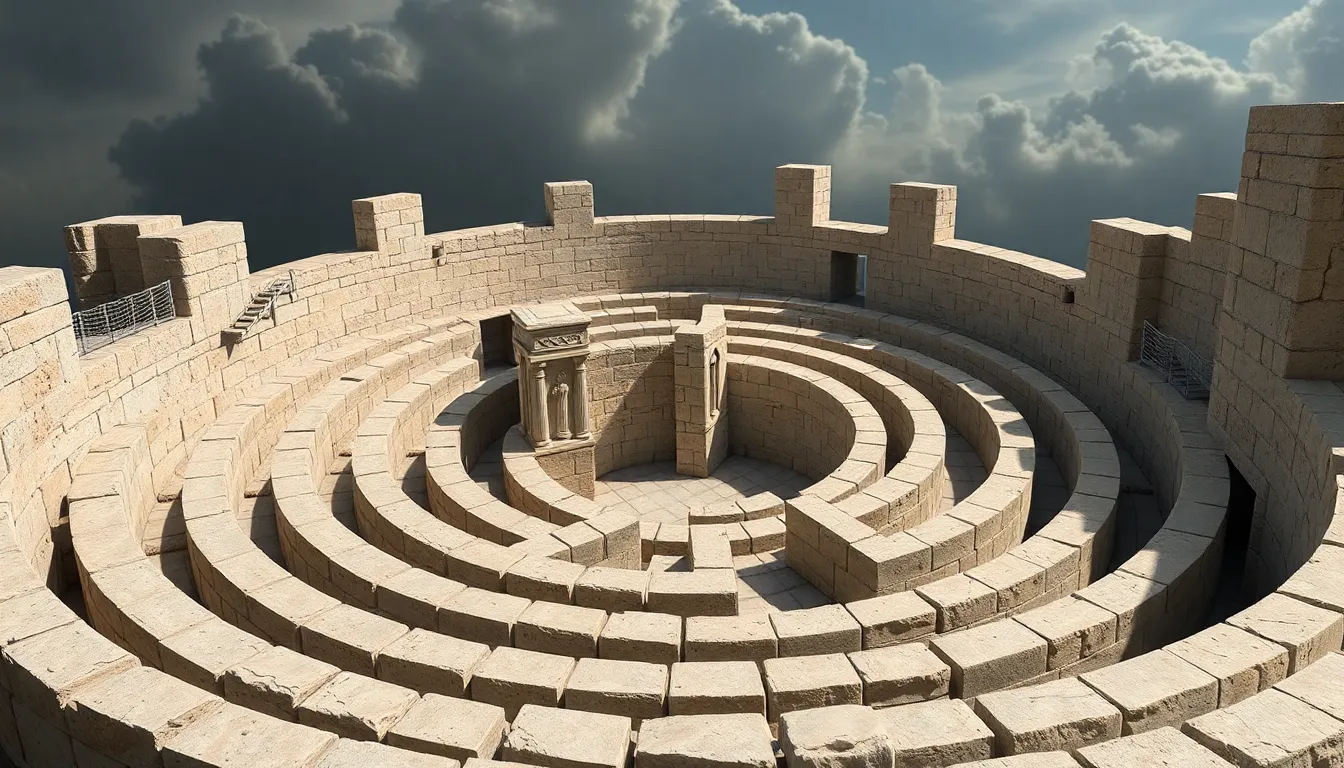
The labyrinth itself, designed by Daedalus, was a marvel of engineering—an elaborate structure filled with twists and turns, representing not only the physical space but also the complexity of human experience. Its intricate design has inspired various interpretations, further enhancing its significance in mythology.
III. The Labyrinth as a Metaphor for Life’s Journey
In many ways, the labyrinth can be viewed as a metaphor for the complexities and challenges inherent in life. Just as Theseus faced the daunting task of navigating the labyrinth, individuals encounter their own life paths filled with uncertainties and moral dilemmas.
- The concept of life’s complexities: Life often presents us with intricate situations that require careful consideration and decision-making.
- Navigating moral dilemmas: The labyrinth represents the ethical choices we must make, where each turn can lead to vastly different outcomes.
- Existential quests: Many individuals find themselves searching for meaning and purpose, akin to Theseus’s journey through the labyrinth.
Thus, the labyrinth serves as a powerful symbol of the human experience, encapsulating the struggles and triumphs faced along the way.

IV. Psychological Interpretations: The Labyrinth and the Human Mind
Psychologically, the labyrinth can be interpreted through the lens of Carl Jung’s theories. Jung viewed the labyrinth as a representation of the unconscious mind, a place where our inner thoughts, fears, and desires reside.
- The journey within: Navigating the labyrinth signifies the process of self-discovery, where individuals confront their true selves.
- Individuation: The path through the labyrinth symbolizes the journey toward individuation, where one integrates various aspects of the psyche.
- The Minotaur as inner demons: The Minotaur represents the darker sides of our nature—fears, anxieties, and unresolved conflicts—that we must confront to achieve personal growth.
This psychological interpretation highlights the labyrinth as a space for introspection and transformation, urging individuals to face their inner challenges to emerge stronger and more self-aware.
V. The Labyrinth and Knowledge: The Search for Truth
The labyrinth also embodies the philosophical implications of knowledge and the pursuit of wisdom. Just as Theseus navigated the maze to confront the Minotaur, philosophers engage in a similar quest for understanding and insight.
- Path to wisdom: The labyrinth symbolizes the often convoluted path to knowledge, where one must traverse complexities to uncover truths.
- Chaos and order: Within the labyrinth, chaos can be transformed into order through understanding, mirroring the process of intellectual exploration.
- Intellectual exploration: The act of navigating the labyrinth represents the ongoing quest for knowledge, encouraging us to question, explore, and learn.
This perspective invites individuals to view their educational journeys as labyrinthine, filled with challenges that ultimately lead to greater understanding and enlightenment.
VI. Ethical and Moral Dimensions: The Labyrinth as a Moral Compass
The labyrinth serves not only as a representation of the search for knowledge but also as a moral compass guiding individuals through ethical dilemmas. The choices made within the labyrinth mirror the moral decisions we face in life.
- Significance of choices: Each decision made while navigating the labyrinth carries weight, reflecting the importance of our choices in shaping our paths.
- The hero’s journey: Theseus’s courageous confrontation with the Minotaur exemplifies moral integrity and the courage required to face one’s fears and challenges.
- Lessons from ethical labyrinths: The journey through the labyrinth teaches us valuable lessons about responsibility, accountability, and the consequences of our actions.
This ethical dimension emphasizes the labyrinth as a space where individuals can reflect on their values and the moral implications of their choices.
VII. Contemporary Relevance: The Labyrinth in Modern Thought
The symbolism of the labyrinth continues to resonate in contemporary thought, literature, and art. Its multifaceted nature allows it to be a powerful motif in various contexts.
- Modern literature and art: The labyrinth has inspired countless works, symbolizing the complexity of human emotions and experiences.
- Modern psychology: Psychologists employ labyrinth symbolism to help individuals navigate their inner worlds, facilitating personal growth and healing.
- Philosophical discourse: Contemporary philosophers engage with the concept of the labyrinth to discuss existentialism, ethics, and the search for meaning.
This ongoing relevance underscores the labyrinth’s enduring significance as a symbol of our collective human journey.
VIII. Conclusion
In summary, the labyrinth is a rich and multifaceted symbol in Greek mythology that offers profound insights into the human experience. From its origins in the myth of Theseus and the Minotaur to its interpretations as a metaphor for life’s journey, psychological exploration, and ethical decision-making, the labyrinth remains a powerful symbol of complexity and transformation.
As we navigate our own labyrinths in life, we can draw inspiration from its lessons, encouraging us to confront our fears, seek knowledge, and make ethical choices. The labyrinth invites us to explore not only the external challenges we face but also the internal journeys of self-discovery and growth.
Ultimately, the labyrinth serves as a reminder that while the path may be intricate and fraught with challenges, it is through these experiences that we find meaning and wisdom in our lives.