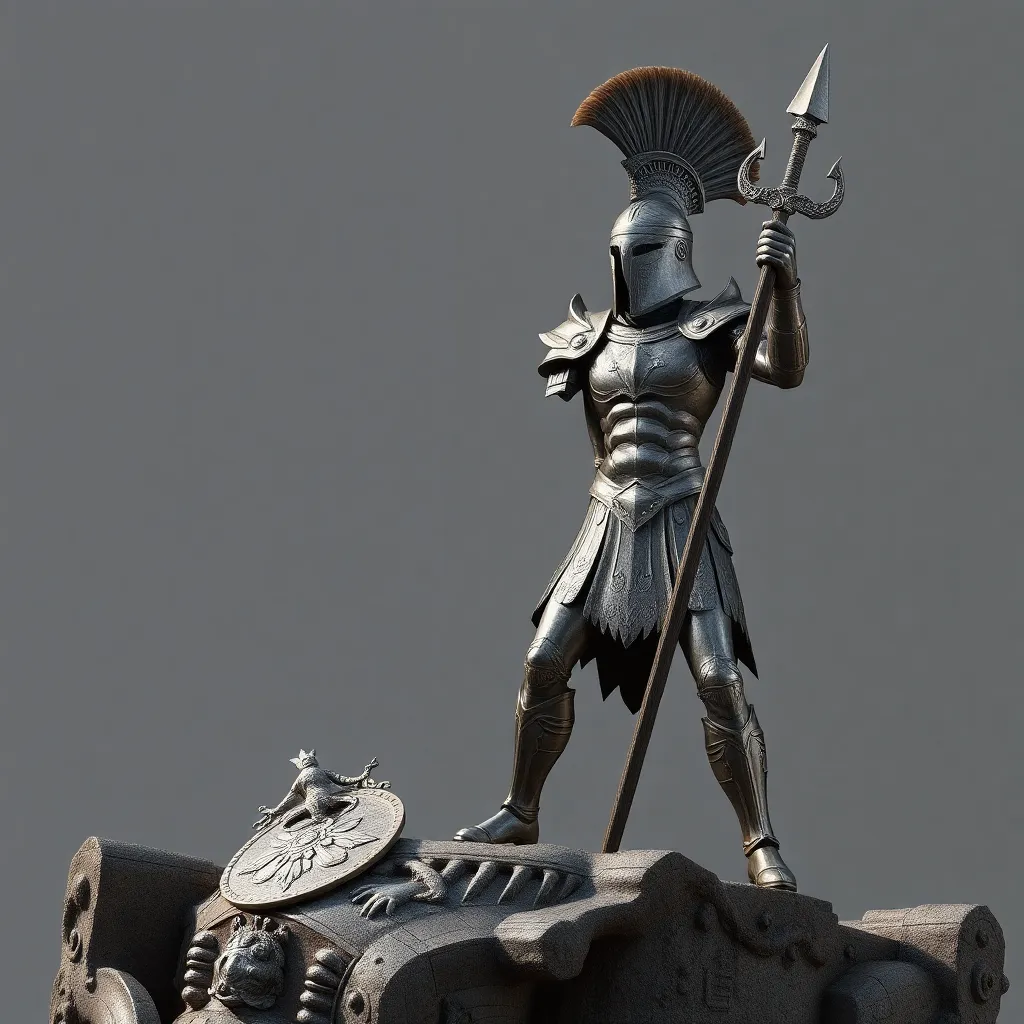
The Symbolism of Weapons and Armor in Greek Heroic Tales
I. Introduction
Greek heroic tales are a cornerstone of ancient literature, encapsulating the values, beliefs, and cultural identity of the Greek people. These narratives, which often feature larger-than-life heroes, epic battles, and divine interventions, offer profound insights into human nature and morality. Within these stories, weapons and armor play a pivotal role, serving not only as tools of warfare but also as powerful symbols that embody the heroes’ identities, virtues, and struggles.
This article aims to explore the multifaceted symbolism of weapons and armor in Greek heroic tales, examining their historical context and their deeper meanings within the narratives.
II. The Historical Context of Weapons and Armor in Ancient Greece
To understand the symbolism of weapons and armor in Greek mythology, it is essential to consider the historical context of warfare in ancient Greece. Warfare was a central aspect of Greek life, influencing social structures, politics, and cultural practices.
- Overview of Greek Warfare: Greek city-states frequently engaged in battles for territory, resources, and power. The phalanx formation and the use of hoplite soldiers were characteristic of Greek military practices.
- The Evolution of Weapons and Armor: Over the centuries, weapons such as spears, swords, and shields evolved, reflecting technological advancements and changing warfare strategies. Armor transitioned from bronze breastplates to more sophisticated designs as the needs of battle evolved.
- The Role of Warfare in Shaping Heroic Ideals: Heroes like Achilles and Odysseus are often defined by their martial prowess and the weapons they wield, illustrating how warfare shaped the ideals of bravery, honor, and heroism.
III. Weapons as Extensions of Identity
In Greek mythology, specific weapons are closely associated with individual heroes, serving as extensions of their identities and personal traits.
- Achilles’ Spear: The spear of Achilles is not merely a weapon; it symbolizes his unmatched fighting skill and rage. It represents his heroic status and his tragic fate.
- Odysseus’ Bow: Odysseus’ bow is a symbol of his cunning and intelligence. Only he can string it, reflecting his unique qualities as a hero.
These legendary weapons not only enhance the hero’s status but also play a crucial role in their legacies, influencing how they are remembered in history and mythology.
IV. Armor as Symbols of Protection and Vulnerability
Armor in Greek mythology serves as a dual symbol of protection and vulnerability. While it provides a physical shield against enemies, it also represents the moral and emotional struggles of the heroes.
- The Significance of Armor: Armor is essential in battle, symbolizing strength and courage. It reflects the hero’s preparedness to face challenges.
- The Paradox of Armor: Despite its protective nature, armor can also symbolize the vulnerability of the human condition, as even the mightiest heroes can fall.
- Case Studies:
- Hector’s Armor: Hector’s armor, gifted by the gods, represents both his nobility and his tragic fate, as it ultimately leads to his downfall.
- Perseus’ Shield: Perseus’ shield, which he uses to view Medusa without being turned to stone, symbolizes the balance between protection and the danger of confronting one’s fears.
V. The Role of Divine Influence in Weaponry
The interaction between mortals and gods is a recurring theme in Greek mythology, particularly concerning weapons and armor. Divine gifts or curses often shape the journeys of heroes.
- Divine Gifts and Curses: Many heroes receive weapons or armor directly from the gods, which can enhance their abilities or determine their fates.
- Examples of Divine Weapons:
- Hermes’ Caduceus: While not a weapon in the traditional sense, Hermes’ staff symbolizes peace and negotiation, highlighting the importance of diplomacy in heroism.
- Divine Intervention: The outcomes of battles often hinge on the favor or disfavor of the gods, illustrating the theme of divine influence over mortal affairs.
VI. The Transformation of Weapons and Armor in Narrative Arcs
As heroes undergo their journeys, the weapons and armor they wield often reflect their growth and transformation.
- Evolution with the Hero’s Journey: Weapons and armor may change in form or significance, paralleling the hero’s development and experiences.
- Broken or Lost Weapons: The loss or breaking of a weapon can symbolize a hero’s vulnerability or a turning point in their journey, often leading to character development.
- Pivotal Moments of Transformation: Key battles may see a change in the hero’s relationship with their weapons, reflecting their inner struggles and growth.
VII. Symbolism Beyond the Battlefield
Weapons and armor in Greek heroic tales extend beyond mere physical objects; they serve as metaphors for internal conflicts and moral dilemmas faced by the heroes.
- Metaphors for Internal Conflicts: The struggles of wielding a weapon can reflect the hero’s internal battles, such as the conflict between duty and desire.
- Representation of Societal Values: The characteristics of weapons and armor often mirror the values and ethics of society, such as honor, bravery, and justice.
- Themes of Honor and Revenge: Heroes often grapple with concepts of honor and revenge, with their weapons symbolizing their choices and the consequences of those choices.
VIII. Conclusion
In conclusion, weapons and armor in Greek heroic tales are rich in symbolism, representing not only the physical aspects of battle but also the deeper emotional and moral struggles of the heroes. These symbols reflect the ideals of Greek society and continue to resonate in modern storytelling, highlighting the enduring legacy of Greek mythology in understanding the complexities of human nature.
As we reflect on these narratives, it is clear that the symbolism of weapons and armor transcends time, providing insights into the human experience and the eternal quest for identity, honor, and meaning.