The Titanomachy: Key Myths and Characters You Should Know
I. Introduction to the Titanomachy
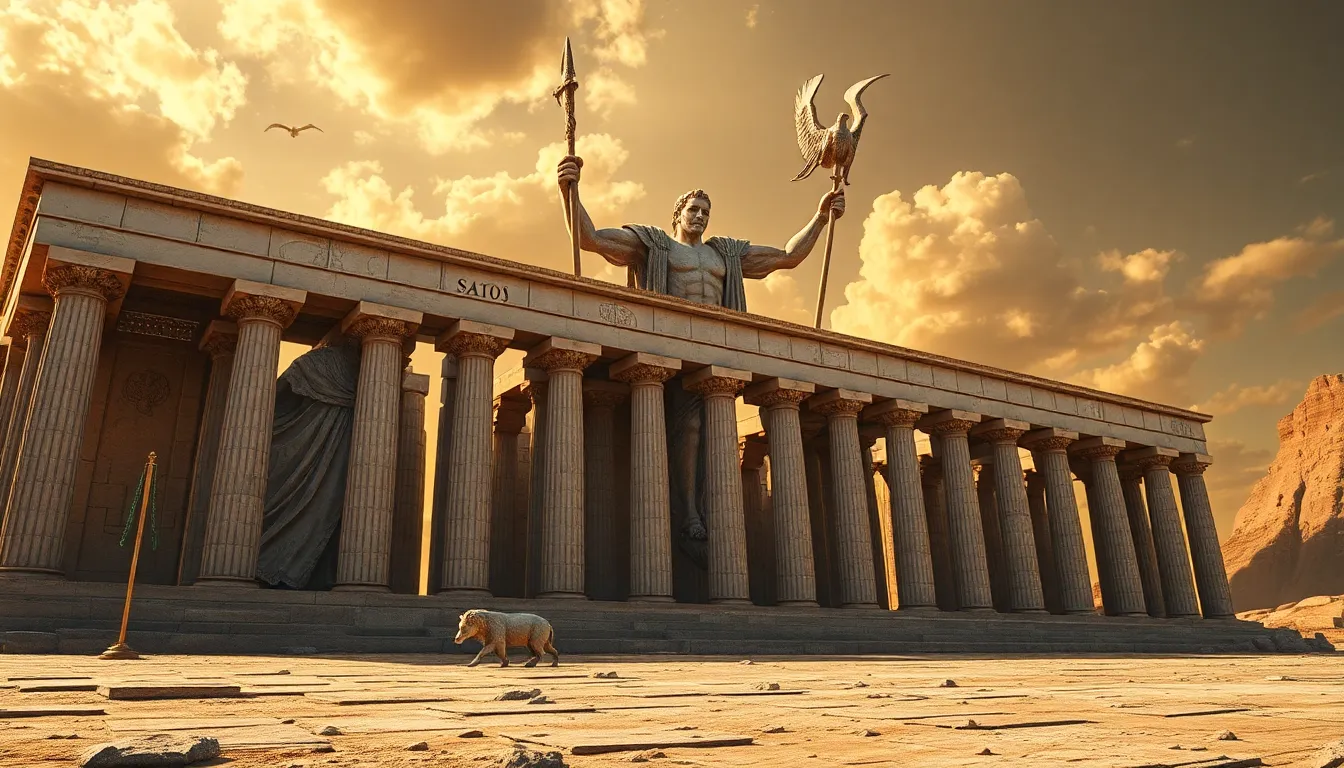
The Titanomachy, a pivotal event in Greek mythology, refers to the epic battle between the Titans, the old order of gods, and the Olympians, the new generation of deities led by Zeus. This conflict not only signifies a shift in power but also embodies the themes of creation, destruction, and the cyclical nature of mythological narratives. The Titanomachy is crucial for understanding the dynamics of Greek mythology, as it sets the stage for the rise of the Olympian gods and their subsequent rule over the cosmos.
In this article, we will explore the key myths and characters associated with the Titanomachy, delving into its background, significant events, and the lasting implications it has on Greek mythology and culture.
II. The Titans: Rulers of the Old Order
The Titans were a group of powerful deities who ruled during the Golden Age of Greek mythology. They were the offspring of Gaia (the Earth) and Uranus (the Sky) and were considered the predecessors to the Olympian gods. The lineage of the Titans is rich and complex, with many of them embodying various aspects of nature and human experience.
Some of the most important Titan figures include:
- Cronus
- Rhea
- Oceanus
- Hyperion
- Themis
- Coeus
– The leader of the Titans and the god of time, who overthrew his father Uranus.
– The sister and wife of Cronus, known as the mother of the Olympian gods.
– The Titan of the ocean, representing the unbounded river that encircled the world.
– The Titan of light, often associated with the sun.
– The Titaness of divine law and order.
– The Titan of intellect and the axis of heaven.
The Titans played a significant role in pre-Olympian mythology, representing the primal forces of nature and the cosmos. Their reign was characterized by a lack of moral structure, which was later challenged by the more civilized and structured Olympians.
III. The Rise of the Olympians
As the Titans ruled, a new generation of gods began to emerge. The Olympians, led by Zeus, represented a shift towards a more organized and hierarchical pantheon. Zeus, the son of Cronus and Rhea, was prophesied to overthrow his father and end the tyranny of the Titans.
Key figures among the Olympians include:
- Zeus – The king of the gods, associated with thunder and the sky.
- Hera – The queen of the gods and goddess of marriage and family.
- Poseidon – The god of the sea and earthquakes.
- Demeter – The goddess of agriculture and the harvest.
- Hestia – The goddess of the hearth and domesticity.
The prophecy that Zeus would overthrow Cronus was a driving force behind the events leading to the Titanomachy. Fearing that one of his children would usurp him, Cronus swallowed each of his offspring at birth, until Rhea managed to save Zeus by hiding him and giving Cronus a stone wrapped in swaddling clothes instead.
IV. The Prelude to War
The circumstances leading to the Titanomachy were fraught with tension. Gaia, discontented with the rule of her son Cronus, sought to help her grandchildren, the Olympians, in their quest for power. She encouraged Zeus to rebel against Cronus and provided him with crucial support.
The role of Gaia and Uranus in the conflict cannot be understated. Gaia, representing the earth, was the mother of the Titans and felt betrayed by Cronus’s actions. Uranus, after being overthrown by Cronus, supported the Olympians in their rebellion against their father.
As the conflict loomed, both sides began gathering allies:
- The Titans, confident in their strength and numbers, rallied their kin.
- The Olympians sought allies among other entities, including the Cyclopes and the Hecatoncheires, who were imprisoned by Cronus.
V. The Battles of the Titanomachy
The Titanomachy was characterized by a series of epic battles that spanned a decade. The significant battles were not only a physical struggle but also a clash of ideologies, representing the old order versus the new.
Key strategies and turning points included:
- The release of the Cyclopes and Hecatoncheires by Zeus, who were imprisoned by Cronus. The Cyclopes forged powerful weapons for the Olympians, including Zeus’s thunderbolts.
- The Hecatoncheires, with their hundred arms, provided the Olympians with immense strength and became crucial in the battles against the Titans.
- The Titans, despite their initial strength, began to falter as the Olympians utilized their newfound weapons and allies.
VI. The Aftermath and Consequences of the Titanomachy
The Titanomachy ultimately ended in the defeat of the Titans. Zeus and his siblings emerged victorious, leading to the punishment of the Titans. Many were cast into Tartarus, a deep abyss used as a dungeon of torment.
The establishment of Olympian rule marked a new era in mythology, characterized by a more structured pantheon and the introduction of moral order. Zeus became the king of the gods, enforcing laws and ensuring that the balance of power was maintained.
The lasting impact of the Titanomachy on Greek mythology and culture is profound. It established themes of power, rebellion, and the cyclical nature of existence, influencing countless stories and interpretations throughout history.
VII. Key Myths Associated with the Titanomachy
Several key myths are directly associated with the Titanomachy, showcasing its importance in the broader narrative of Greek mythology.
- The Myth of Prometheus – Prometheus, a Titan who sided with the Olympians, is known for stealing fire from the gods and giving it to humanity. This act of defiance symbolizes the struggle for knowledge and the consequences of challenging divine authority.
- The Story of Atlas – Atlas, a Titan, was punished by Zeus to hold up the sky for eternity. His punishment reflects the consequences of the Titan’s rebellion and serves as a reminder of the strength of the Olympians.
- The Creation Myth – The Titanomachy also ties into the creation of humanity, with various myths detailing how the Olympians shaped humans and granted them gifts, contrasting with the Titans’ more chaotic influence.
VIII. Conclusion
The Titanomachy stands as a significant chapter in Greek mythology, symbolizing the transition from chaos to order and the eternal struggle for power. It encapsulates the duality of creation and destruction, reflecting the complexities of existence. These myths remain relevant today, offering insights into human nature, the consequences of ambition, and the moral dilemmas faced by individuals in positions of power.
In exploring the Titanomachy, we gain a deeper understanding of the foundational myths that shaped ancient Greek culture and continue to influence modern storytelling and philosophical thought.