

The Titanomachy: The Ancient War That Still Resonates Today
I. Introduction
The Titanomachy, a monumental conflict in Greek mythology, represents the epic battle between the Titans and the Olympians. This war not only marks a pivotal moment in the mythological timeline but also serves as a rich tapestry for exploring themes of power, legacy, and the human condition.
In the grand narrative of Greek mythology, the Titanomachy stands as a significant event that helped shape the pantheon of gods and the moral framework of ancient Greek culture. Its resonance can be observed even in contemporary society, where struggles for power and authority continue to unfold.
II. Historical Context of the Titanomachy
A. Origins in Greek mythological tradition
The roots of the Titanomachy trace back to the ancient Greek belief system, where gods and mythical beings played crucial roles in explaining natural phenomena and human experiences. The Titans, the elder gods, ruled the cosmos before the rise of the Olympians.
B. The genealogy of Titans and Olympians
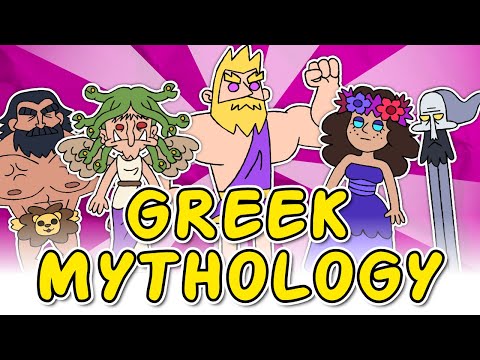
The Titans, offspring of Gaia (Earth) and Uranus (Sky), include prominent figures such as Cronus, Rhea, Oceanus, and Hyperion. Cronus, fearing the prophecy that one of his children would overthrow him, swallowed each of them at birth, except for Zeus, who was hidden away by Rhea.
The Olympians, led by Zeus, are the next generation of deities who ultimately rise against the Titans. Their genealogy is essential for understanding the relationships and conflicts that characterize the Titanomachy.
C. The socio-political landscape of ancient Greece
The Titanomachy can also be viewed through the lens of ancient Greek society, which was rife with political struggles and power dynamics. The transition from the rule of the Titans to the Olympians reflects the shift from tyranny to a more democratic governance system among the gods, which resonated with the political realities of city-states in ancient Greece.
III. Key Characters in the Titanomachy
A. The Titans: Cronus, Rhea, and their progeny
Central to the Titanomachy are the Titans themselves. Cronus, the leader, embodies the archetype of the tyrant, ruling with an iron fist. Rhea, his wife, represents the nurturing aspect, often seen as a protective figure for their children.
B. The Olympians: Zeus, Hera, Poseidon, and their allies
Zeus, the youngest son of Cronus and Rhea, emerges as the hero of the conflict, leading his siblings—Hera, Poseidon, Hades, Demeter, and Hestia—in their revolt against their father. Each Olympian plays a crucial role in the war, showcasing their unique powers and characteristics.
C. The role of lesser-known figures and deities
While Cronus and Zeus are the most recognized figures, many lesser-known deities influenced the Titanomachy. For example:
- Prometheus, who defied the gods by bringing fire to humanity.
- The Cyclopes, who forged Zeus’s thunderbolts.
- The Hecatoncheires, monstrous giants who aided the Olympians with their immense strength.
IV. The Narrative of the Titanomachy
A. The causes leading to the war
The Titanomachy was sparked by Cronus’s fear of losing his power, leading him to oppress his children. This cycle of tyranny ultimately prompted Zeus and his siblings to rebel, igniting a war that would last for a decade.
B. Major battles and turning points
The war was characterized by several pivotal battles, including:
- The initial skirmishes where the Olympians, despite being outnumbered, utilized cunning strategies and alliances.
- The turning point when the Cyclopes provided Zeus with thunderbolts, allowing him to challenge Cronus effectively.
- The ultimate battle at Mount Olympus, where the Olympians finally overcame the Titans.
C. The aftermath and consequences of the conflict
The defeat of the Titans had far-reaching consequences. Cronus and many Titans were imprisoned in Tartarus, while the Olympians established their reign over the cosmos. This shift not only changed the hierarchy of the gods but also influenced the moral and ethical landscape of Greek mythology.
V. Symbolism and Themes in the Titanomachy
A. Power dynamics: tyranny vs. democracy
The Titanomachy serves as an allegory for the struggle between oppressive rule and the emergence of democratic ideals. Cronus’s tyrannical reign represents the dangers of absolute power, while Zeus’s leadership symbolizes the hope for a more just and equitable system.
B. The struggle between chaos and order
The conflict also embodies the tension between chaos, represented by the Titans, and order, embodied by the Olympians. This theme resonates deeply within human experience, as societies strive for balance amidst chaos.
C. The nature of legacy in mythology
The Titanomachy illustrates how legacies are built not just through power but through choices and actions. The Titans, once revered, are remembered as cautionary tales, while the Olympians are celebrated for their triumphs and virtues.
VI. The Titanomachy in Art and Literature
A. Depictions in ancient Greek art and pottery
The Titanomachy has been a popular subject in ancient Greek art, often depicted on pottery and sculptures. These works captured the drama of the conflict, showcasing the vibrant personalities and physical prowess of both Titans and Olympians.
B. Influence on later literary works and adaptations
The themes of the Titanomachy have influenced countless literary works throughout history, including epic poems, tragedies, and philosophical writings. Its motifs can be found in the works of Hesiod, Homer, and later authors who sought to explore the dynamics of power and morality.
C. Modern interpretations in film, literature, and theater
In contemporary culture, the Titanomachy continues to inspire filmmakers, writers, and playwrights. Modern adaptations often reinterpret the ancient tale to reflect contemporary issues, such as power struggles and moral dilemmas.
VII. The Titanomachy’s Influence on Modern Society
A. Parallels in contemporary political struggles
The narrative of the Titanomachy parallels many modern political struggles, where the fight against tyranny and the quest for justice remain relevant. Leaders and movements throughout history have drawn on this myth to rally support against oppression.
B. The Titanomachy as a metaphor in popular culture
In popular culture, the Titanomachy serves as a metaphor for personal and societal battles. It resonates with anyone facing overwhelming odds, inspiring resilience and the pursuit of justice.
C. Lessons learned from the Titanomachy in today’s world
The Titanomachy imparts valuable lessons about the importance of questioning authority, the value of unity in the face of oppression, and the necessity of striving for balance between chaos and order in society.
VIII. Conclusion
In summary, the Titanomachy is not merely a tale of gods and battles; it is a profound narrative that encapsulates the human experience. Its significance in Greek mythology is matched by its relevance in contemporary society, where themes of power, justice, and legacy continue to resonate.
As we reflect on the Titanomachy, we recognize its lasting impact on human thought and culture. Ancient myths, like that of the Titanomachy, remind us of our shared struggles and aspirations, serving as timeless sources of inspiration and insight in our modern lives.


