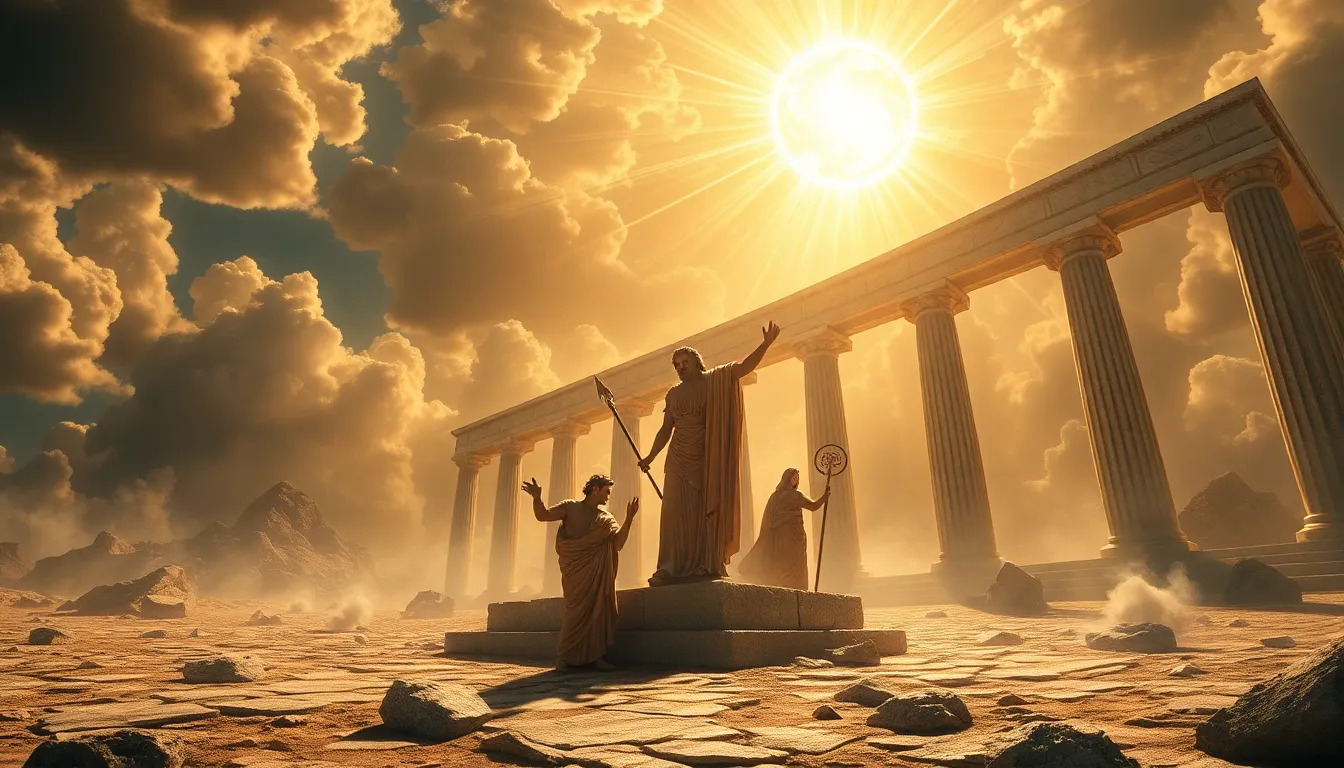
The Trials of the Elysian Fields: The Afterlife’s Divine Challenges
I. Introduction
The Elysian Fields, often referred to simply as Elysium, is a captivating concept in Greek mythology that represents an idyllic afterlife reserved for the souls of the virtuous and heroic. Unlike the dreary and shadowy realms of Hades, the Elysian Fields are depicted as a paradise filled with beauty, joy, and eternal bliss. This article aims to explore the challenges faced by souls in the Elysian Fields, delving into the trials that contribute to spiritual growth and moral development in the afterlife.
The significance of the afterlife varies across cultures, reflecting the beliefs and values of different societies. From the concept of heaven and hell in Christianity to the celestial paradise of Valhalla in Norse mythology, the afterlife serves as a crucial element in understanding morality, justice, and the ultimate fate of the soul.
In this exploration of Elysium, we will uncover the divine challenges that souls encounter, the purpose behind these trials, and the role of deities in shaping the journey of the afterlife.
II. The Concept of the Elysian Fields
A. Historical context and origins of the Elysian Fields
The Elysian Fields can be traced back to the early Greek poetic tradition, with references found in works by Homer and Hesiod. Initially, it was a vague concept, where the idea of a blissful afterlife was reserved for a select few—those who had achieved greatness or were favored by the gods. Over time, the Elysian Fields evolved into a more defined paradise characterized by its lush landscapes, eternal spring, and peaceful existence.

B. Description of the Elysian Fields as a paradise for heroes and virtuous souls
In the Elysian Fields, the souls of heroes and virtuous individuals are granted an existence free from suffering and strife. They engage in joyful activities, such as feasting, music, and athletic contests, celebrating their heroic deeds in life. This paradise is often described as a place where the sun shines eternally, and the air is filled with the scent of blooming flowers.
C. Comparison with other afterlife concepts (e.g., Hades, Valhalla)
Unlike Hades, the realm of the dead where souls endure punishment or a monotonous existence, the Elysian Fields offer a stark contrast of joy and beauty. Valhalla, in Norse mythology, serves a similar purpose for warriors, where they are rewarded for their bravery in life. However, while Valhalla prepares souls for battle in the afterlife, Elysium focuses on peace and reflection.
III. The Nature of Divine Challenges
A. Definition of divine challenges in the context of the afterlife
Divine challenges in the afterlife refer to the trials and tests that souls must face to grow spiritually and morally. These challenges are not punitive but rather serve as opportunities for reflection, learning, and transformation. They often involve moral dilemmas, quests, or interactions with divine beings.
B. The role of trials in shaping the soul’s journey
Trials are essential for the soul’s development, encouraging introspection and self-discovery. The nature of these challenges often reflects the individual’s life experiences and moral choices, acting as a catalyst for growth in the afterlife.
C. Common themes in divine challenges across mythologies
Across various mythologies, common themes emerge in divine challenges:
- Moral dilemmas that test integrity and virtue.
- Quests that require courage and resilience.
- Interactions with divine beings that offer guidance or obstacles.
- The need for self-sacrifice or altruism in the face of adversity.
IV. The Trials of the Elysian Fields
A. Overview of specific trials faced by souls in the Elysian Fields
In the Elysian Fields, souls encounter various trials designed to reflect upon their lives and the choices they made. These trials can take many forms, from quests that test their courage to moral dilemmas that challenge their beliefs and values.
B. Examples of notable figures and their challenges
1. Heroes and their quests
Many heroes in Greek mythology are said to have undergone trials in the Elysian Fields. For instance, Achilles, after his death, is often depicted in Elysium, where he faces challenges reflecting on his choices during the Trojan War and the consequences of his pursuit of glory.
2. Moral dilemmas faced by the virtuous
Souls like Orpheus, who ventured to the underworld to rescue his beloved Eurydice, encountered trials that tested their resolve and moral integrity. Orpheus’s challenge was not only to retrieve Eurydice but also to resist the temptation to look back, symbolizing the struggle between desire and faith.
C. The impact of these trials on spiritual growth
The trials faced in the Elysian Fields serve to deepen the souls’ understanding of their past lives and their choices. These experiences contribute significantly to their spiritual growth, allowing them to reconcile their actions and prepare for potential reincarnation or further enlightenment.
V. The Purpose of Trials in the Afterlife
A. Exploring the philosophical implications of challenges in the afterlife
The trials in the afterlife raise profound philosophical questions about the nature of existence, morality, and the journey of the soul. They challenge the belief that life is merely a series of events, suggesting instead that every choice and action has lasting implications that continue beyond death.
B. The relationship between trials and moral development
Through trials, souls engage in a process of moral development, reflecting on their past deeds and the impact of their choices. This reflection fosters a deeper understanding of justice, compassion, and the interconnectedness of all beings.
C. How trials prepare souls for eventual transformation or reincarnation
Ultimately, the trials faced in the Elysian Fields prepare souls for their next steps, whether that be transformation into a higher state of being or reincarnation into a new life. The lessons learned through these challenges equip them with the wisdom needed to navigate future lives.
VI. The Role of Divine Beings in the Trials
A. Examination of deities and divine entities overseeing the trials
In the realm of the Elysian Fields, various deities oversee the trials and challenges faced by souls. Notable among them are Persephone and the chthonic deities, who guide souls and assist them in their journeys toward enlightenment.
B. Interaction between souls and divine beings during the trials
Souls often interact with divine beings during their trials, receiving guidance, support, or even additional challenges. These interactions reinforce the idea that deities are not distant figures but active participants in the moral development of souls.
C. Case studies of divine intervention and guidance
One notable example is the story of Heracles, whose trials in the afterlife involve both challenges and the presence of divine beings like Athena and Zeus. Their interventions help Heracles navigate his trials, emphasizing the importance of divine support in overcoming obstacles.
VII. Cultural Interpretations of the Trials
A. The portrayal of the Elysian Fields in literature and art
The Elysian Fields have been a source of inspiration for countless works of literature and art throughout history. From ancient pottery depicting scenes of Elysium to modern literary interpretations, these portrayals reflect humanity’s fascination with the afterlife and the moral implications of our actions.
B. Variations of the trials concept in different cultures and religions
Other cultures have their interpretations of divine trials in the afterlife. For instance:
- In Hinduism, the concept of karma dictates that souls face the consequences of their actions in subsequent lives.
- In Buddhism, the cycle of samsara involves trials that lead to enlightenment and liberation from suffering.
- In Christian theology, trials in the afterlife often relate