The Trials of the Harpies: Winged Spirits of Vengeance
I. Introduction
The Harpies, often depicted as winged spirits in Greek mythology, embody the duality of nature, representing both the nurturing and vengeful aspects of femininity. Known for their swift flight and fearsome appearance, these creatures have captured the imagination of many throughout history. Their significance as spirits of vengeance is profound, serving as agents who enforce divine justice and administer punishment to those who transgress moral boundaries.
This article aims to explore the multifaceted nature of the Harpies, tracing their origins, examining their iconography, and analyzing their role as agents of retribution in mythology and culture. Through this exploration, we will uncover the Harpies’ enduring legacy and their relevance in contemporary storytelling.
II. The Origins of Harpies
The historical roots of Harpies can be traced back to ancient Greek mythology, where they were often depicted as winged beings with the faces of women and the bodies of birds. The etymology of the word “Harpies” comes from the Greek “harpazein,” meaning “to snatch away,” which reflects their nature as abductors and enforcers of punishment.
Over time, the mythos of the Harpies has evolved. Initially seen as benevolent spirits who guided souls to the afterlife, they gradually morphed into symbols of vengeance and retribution. This duality is crucial in understanding their role in mythology:
- Nurturing Aspect: In early tales, Harpies were seen as gentle beings, assisting in the protection of the innocent.
- Vengeful Aspect: Later narratives depict them as fierce agents of punishment, punishing the wicked and those who offend the gods.
III. The Iconography of Harpies
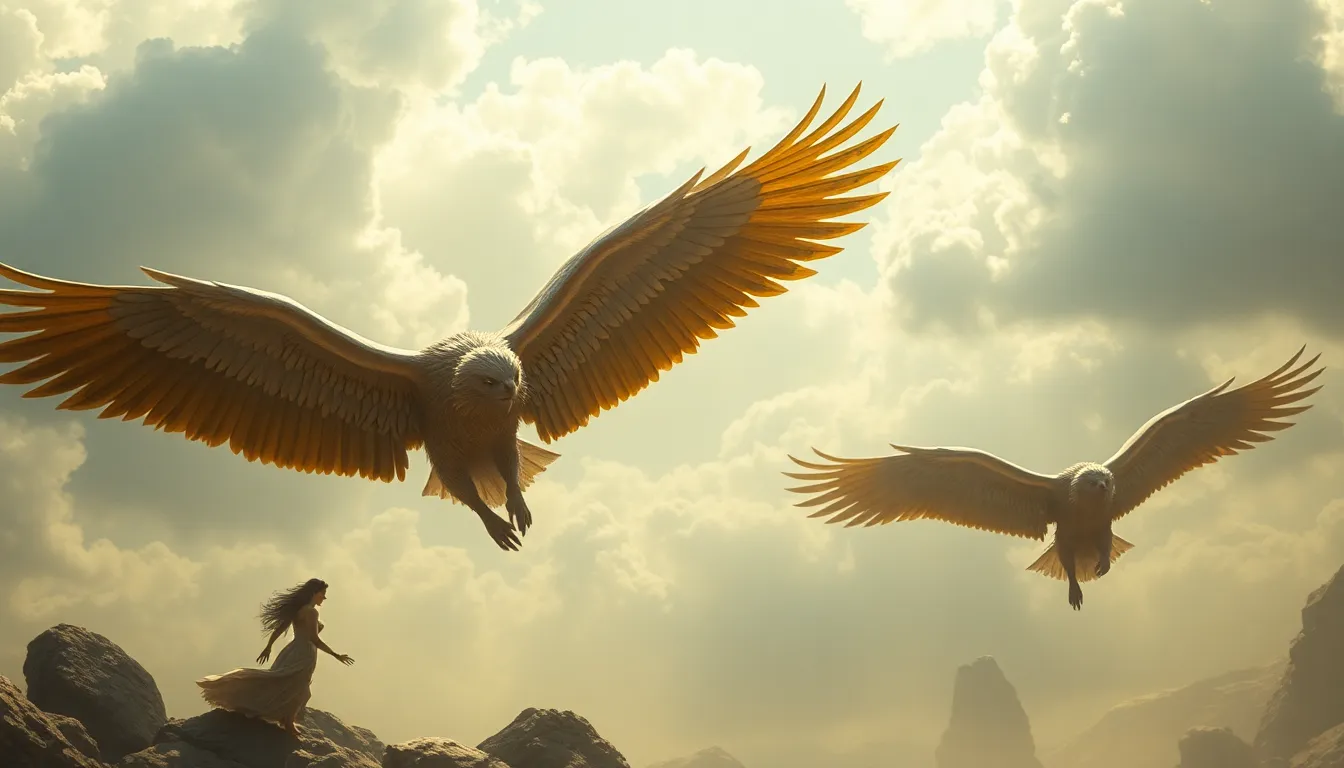
In terms of physical description, Harpies are typically illustrated as winged women with long, flowing hair and sharp claws. They often possess a terrifying visage that reflects their connection to vengeance. Artistic representations vary, but common themes persist:
- Wings symbolizing their divine nature and ability to traverse between realms
- Facial expressions that convey wrath or sorrow, emphasizing their role as both nurturers and avengers
Symbolically, the wings of the Harpies serve as a connection to the divine, representing their ability to carry out the will of the gods. Cultural variations also exist, with some interpretations portraying them as more monstrous than others, reflecting the societies’ fears and beliefs about female power and retribution.

IV. The Trials: Harpies as Agents of Retribution
The Harpies are prominently featured in numerous myths that highlight their vengeful nature. One of the most notable stories involves the Harpies’ role in punishing King Phineas, who was notorious for his mistreatment of others and his abuse of prophetic powers. The Harpies were sent to torment him, stealing his food and leaving him in a state of perpetual hunger and despair.
Another significant tale involves the Argonauts, who encountered the Harpies during their quest for the Golden Fleece. The Harpies were sent to torment the blind prophet Tiresias, showcasing their role as enforcers of divine justice against those who defy the gods.
The moral implications of their vengeance are complex. The Harpies serve not only as agents of punishment but also as symbols of the consequences of hubris and moral failure. This duality prompts reflection on the nature of justice and the fine line between vengeance and moral righteousness.
V. Harpies in Literature and Art
Throughout history, the Harpies have inspired various literary works and artistic expressions. Key literary pieces featuring Harpies include:
- Virgil’s “Aeneid,” where Harpies are depicted as tormentors of the Trojans.
- Ovid’s “Metamorphoses,” which explores their transformation and significance in myth.
In art, the Harpies have been represented in sculptures, paintings, and mosaics. Their fierce imagery has influenced various artistic movements, from classical to modern interpretations. In contemporary storytelling, the Harpies have evolved into complex characters, often serving as both antagonists and symbols of female power.
VI. Psychological and Cultural Interpretations
The Harpy serves as a powerful symbol of rage and injustice, representing the emotional turmoil that can arise from betrayal and wrongdoing. Across different cultures, the perception of vengeance and retribution varies:
- In Greek culture, vengeance is often seen as a moral duty, carried out by divine agents like the Harpies.
- Other cultures may interpret vengeance as a cycle of violence, emphasizing the need for forgiveness and healing.
The impact of Harpy myths on societal views of justice cannot be understated. They serve as cautionary tales about the consequences of moral failure and the dangers of unchecked power, urging societies to reflect on their values and the nature of justice.
VII. The Harpy Archetype in Modern Media
In modern media, the Harpy archetype has been represented in various forms, including films, video games, and television. Some notable examples include:
- Films like “Clash of the Titans,” where Harpies are portrayed as monstrous beings.
- Video games such as “God of War,” which feature Harpies as antagonistic characters.
The evolution of the Harpy character in pop culture reflects changing societal attitudes towards female power and vengeance. Unlike their ancient counterparts, modern interpretations often explore themes of empowerment and complexity, allowing for a more nuanced understanding of their role in storytelling.
When compared to other mythical beings of vengeance, such as the Furies or the Valkyries, Harpies offer a unique perspective on the theme of retribution, often blurring the lines between victim and aggressor.
VIII. Conclusion
In summary, the Harpies hold a significant place in mythology and culture, embodying the complexities of vengeance and justice. Their trials serve as timeless reminders of the consequences of moral failure and the importance of accountability. As we reflect on their legacy, it becomes clear that the Harpies continue to resonate in modern contexts, challenging us to confront our own beliefs about justice, vengeance, and the duality of human nature.
Ultimately, the enduring legacy of the Harpies lies in their ability to provoke thought and discussion, making them relevant figures in both ancient and contemporary narratives.