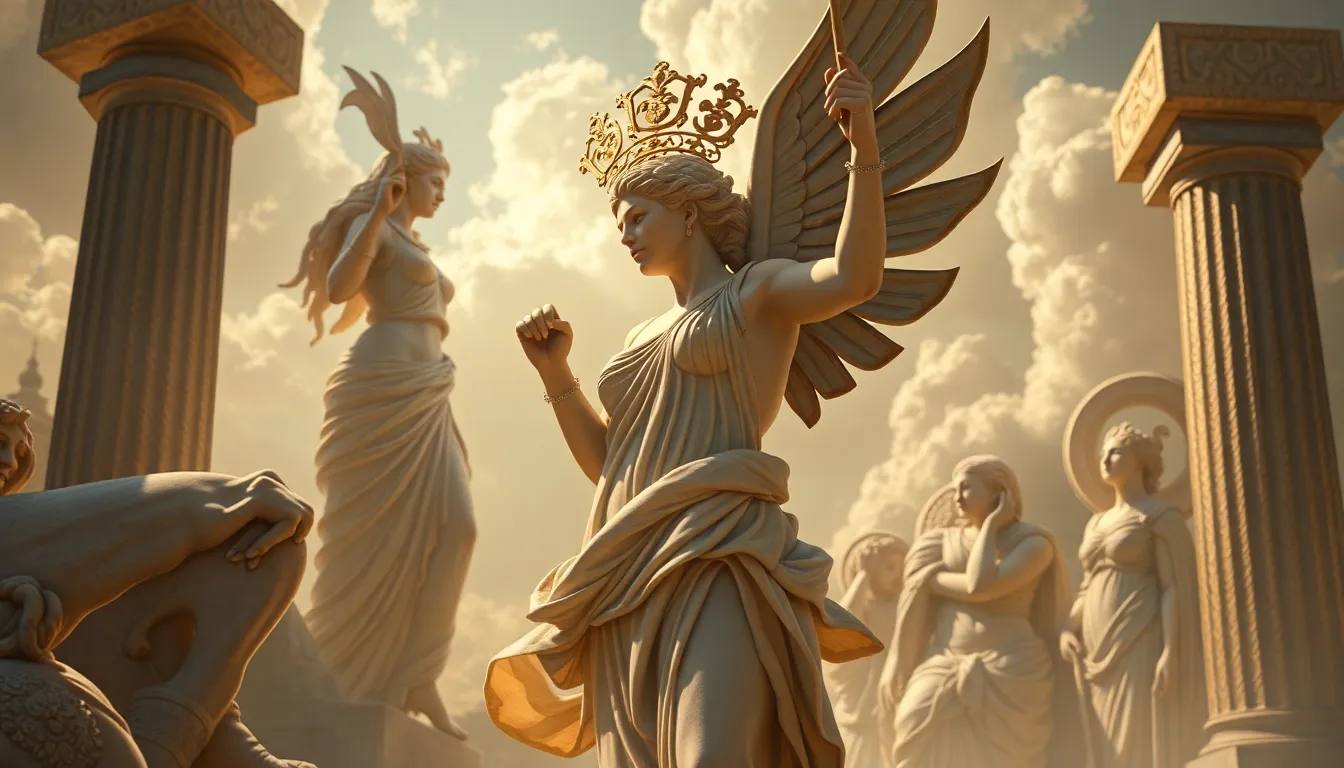
The Trials of the Muses: How Inspiration Overcame Adversity
I. Introduction
The concept of the muses has long been intertwined with the creative process, symbolizing the divine inspiration that artists, poets, and thinkers seek in their work. In Greek mythology, the Muses are nine goddesses who preside over the arts and sciences, each representing a different domain of creativity. They embody the essence of inspiration, reminding us that creativity is not merely a gift but often a journey marked by struggle and perseverance.
Adversity is a common thread in the lives of many creators, serving as both a challenge and a catalyst for innovation. The relationship between hardship and inspiration is complex; while adversity can be debilitating, it can also ignite a fire within, pushing individuals to express their experiences through art. This article explores how challenges can fuel creativity, drawing on historical perspectives, modern interpretations, and practical techniques for channeling struggles into artistic expression.
II. Historical Perspectives on Muses and Inspiration
Throughout history, muses have played a profound role in artistic endeavors. In ancient Greece, the Muses were invoked by poets and artists as sources of divine guidance. Their names—Calliope, Clio, Erato, Euterpe, Melpomene, Polyhymnia, Terpsichore, Thalia, and Urania—represent various forms of creative expression, from epic poetry to dance. Each Muse offered a unique wellspring of inspiration, encouraging creators to transcend their limitations.
Many notable historical figures have drawn inspiration from their struggles. For instance:
- Vincent van Gogh: Despite suffering from mental illness and poverty, Van Gogh created some of the most revered paintings in history, channeling his pain into vibrant colors and emotional depth.
- Frida Kahlo: Kahlo’s life was marked by physical suffering and personal turmoil, yet she transformed her experiences into powerful self-portraits that resonate with themes of identity and resilience.
- Homer: The legendary poet, believed to be blind, composed epic tales that have endured through centuries, drawing from his own experiences and the struggles of his people.
The concept of muses has evolved across different cultures, from the Hindu Saraswati, the goddess of knowledge and arts, to the Japanese concept of ‘Kami,’ spirits that inspire creativity. Each culture has its own interpretation of the source of inspiration, often linking it to the trials faced by creators.
III. The Nature of Adversity in the Creative Process
Adversity can take many forms in the lives of artists and creators. Common challenges include:
- Financial instability
- Health issues
- Personal loss or trauma
- Societal pressures and discrimination
- Creative blocks and self-doubt
The psychological and emotional impacts of adversity are profound. Many artists report that their struggles enhance their sensitivity and awareness, allowing them to tap into deeper emotional truths. Adversity can serve as a powerful motivator, pushing creators to articulate their experiences through art, music, literature, and other forms of expression.
Case studies of artists who faced significant challenges abound. For example, the poet John Keats, who battled tuberculosis and financial difficulties, produced some of the most beautiful poetry in the English language, drawing on his experiences of love and loss. Similarly, the playwright Tennessee Williams often used his tumultuous personal life as fodder for his powerful dramas, reflecting the complexity of human emotion.

IV. The Transformative Power of Adversity
Challenges can lead to innovative thinking and new ideas. Many artists find that their most creative work emerges from their struggles, as they explore themes of resilience, survival, and hope. The role of resilience in the creative journey cannot be overstated; it is the ability to bounce back from setbacks that often leads to breakthroughs in artistic expression.
Examples of artworks and movements born from adversity include:
- The Harlem Renaissance, which emerged from the struggles of African Americans in the early 20th century, leading to a flourishing of literature, music, and visual arts that celebrated Black culture.
- The Dada movement, which arose in response to the horrors of World War I, challenging traditional artistic conventions and embracing absurdity as a reaction to chaos.
- The works of artists like Banksy, who comment on social issues and inequality through street art, often drawing from their own experiences of adversity.
V. Muses in Modern Context
In contemporary art and literature, the interpretation of muses has evolved, reflecting the complexities of modern life. Muses are often seen not only as divine figures but also as sources of inspiration that come from within and from societal issues. Today’s artists frequently draw on personal and collective struggles, transforming them into powerful narratives that resonate with audiences.
Societal issues such as mental health, identity, and social justice heavily influence modern creativity. Artists like Maya Angelou and Kendrick Lamar have used their platforms to address personal and societal adversities, inspiring others to share their stories and struggles through art.
Profiles of modern artists who embody the spirit of overcoming adversity include:
- Alice Walker: The author of “The Color Purple,” who overcame poverty and racial discrimination to create profound works that explore the intersection of gender and race.
- Lady Gaga: An advocate for mental health awareness, whose music and performances often reflect her own battles with self-acceptance and identity.
- Lin-Manuel Miranda: Creator of “Hamilton,” who drew inspiration from his own experiences and the struggles of marginalized communities to tell a story of resilience and hope.
VI. Techniques for Channeling Adversity into Inspiration
Artists seeking to turn their struggles into creative fuel can employ several strategies:
- Journaling: Keeping a regular journal can help artists articulate their thoughts and feelings, serving as a reservoir of inspiration.
- Mindfulness and Meditation: Practicing mindfulness can enhance self-awareness, helping artists to understand their emotions and channel them into their work.
- Artistic Exploration: Experimenting with different mediums and styles can open new avenues for expression, allowing artists to process their experiences in various ways.
The importance of vulnerability and authenticity in art cannot be overlooked. Sharing personal struggles can create a deeper connection with audiences, fostering empathy and understanding. Creative exercises, such as writing prompts or collaborative projects, can also cultivate inspiration from hardships, encouraging artists to embrace their experiences as sources of strength.
VII. The Impact of Community and Collaboration
Support systems play a crucial role in overcoming creative adversity. Artists often find strength in community, where shared experiences can foster resilience. Collaborative projects that emerge from collective struggles can lead to innovative art that resonates on multiple levels.
Building a community that fosters resilience and inspiration can take many forms:
- Participating in workshops and creative retreats
- Joining support groups for artists
- Engaging in online communities where creators can share their work and experiences
These connections provide invaluable support, reminding artists that they are not alone in their struggles. Collaborative projects, such as community murals or collective anthologies, can also serve as powerful expressions of shared adversity and hope.
VIII. Conclusion
The relationship between adversity and the creative process is one of profound importance. As artists navigate their journeys, the trials they face can become powerful sources of inspiration, leading to innovative and meaningful works of art. The enduring power of inspiration amidst challenges serves as a reminder that creativity often flourishes in the face of adversity.
In closing, artists are encouraged to embrace their trials as sources of creative strength. By transforming struggles into art, they not only honor their experiences but also inspire others to find beauty and resilience in their own challenges.