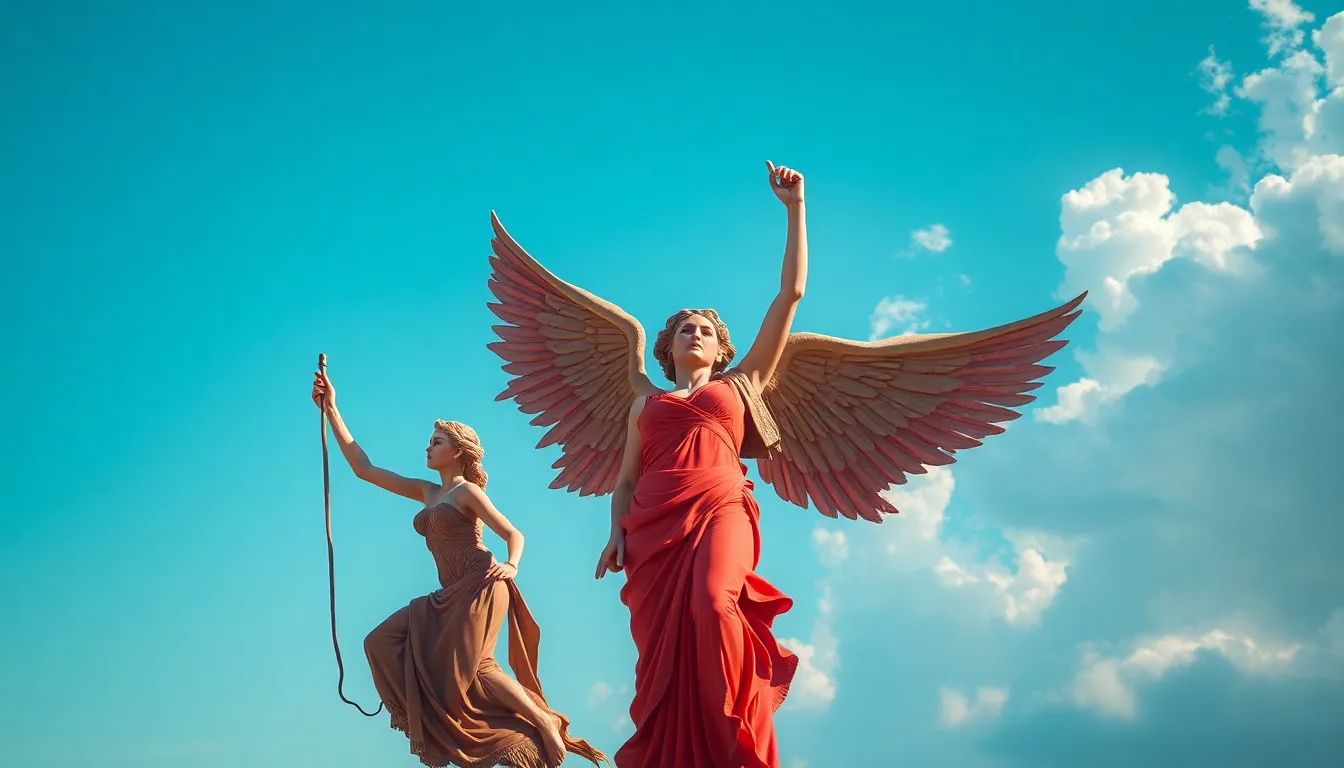
The Trials of the Muses: Inspiration in the Face of Adversity
I. Introduction
The Muses, in Greek mythology, are the nine goddesses who preside over the arts and sciences. They are often invoked by poets, artists, and scholars seeking inspiration. Each Muse represents a different domain of creativity, from epic poetry to dance, and their influence is seen throughout history in the works of countless creators.
Adversity, defined as hardship or difficulty, has long been considered a catalyst for inspiration. Many artists have turned their struggles into powerful expressions of creativity, transforming personal pain into universal art. This article aims to explore the intricate relationship between struggle and creativity, examining how the Muses inspire artists even in the face of adversity.
II. Historical Perspectives on Muses and Adversity
A. Ancient origins of the Muses and their role in creativity
The Muses were believed to be the daughters of Zeus and Mnemosyne, the goddess of memory. Each Muse is associated with specific artistic pursuits:
- Calliope – Epic poetry
- Clio – History
- Erato – Lyric poetry
- Euterpe – Music
- Melpomene – Tragedy
- Polyhymnia – Hymns
- Terpsichore – Dance
- Thalia – Comedy
- Urania – Astronomy
B. Notable artists and thinkers who faced adversity
Throughout history, many renowned figures have faced significant challenges that shaped their creative output. Examples include:
- Vincent van Gogh – Struggled with mental illness, which deeply influenced his art.
- Frida Kahlo – Suffered chronic pain from a bus accident, inspiring her unique and emotive self-portraits.
- Ludwig van Beethoven – Became deaf later in life yet continued to compose some of his greatest works.
C. Examples of how historical figures drew inspiration from their struggles
These artists exemplify how personal struggles can fuel creativity. Van Gogh’s tumultuous emotions and vivid colors reflect his inner turmoil, while Kahlo’s identity and pain are immortalized in her powerful imagery.
III. Psychological Insights: The Creative Process Under Duress
A. Theories on creativity and mental health
Research indicates a complex relationship between creativity and mental health. Many creative individuals exhibit traits associated with mental health challenges, such as anxiety and depression. Some theories suggest that the emotional depth derived from these experiences can enhance creativity.
B. How stress and adversity can enhance creative thinking
Stress can serve as a motivator, pushing artists to explore new ideas and techniques. Adversity often compels individuals to confront their limitations and seek innovative solutions.
C. Case studies of artists who thrived in difficult circumstances
Several contemporary studies have highlighted artists like:
- David Bowie – Overcame addiction and personal struggles, leading to groundbreaking and genre-defining music.
- Georgia O’Keeffe – Faced gender discrimination and isolation yet created iconic works that celebrate the American landscape.
IV. Personal Stories: Modern Muses and Their Challenges
A. Profiles of contemporary artists and their adversities
Modern artists continue to draw from their experiences. For instance, Björk has openly discussed her emotional struggles, which inform her innovative music and visuals.
B. Testimonies on how personal struggles have shaped their work
Many artists share that their most profound works come from periods of hardship. These testimonies highlight the transformative power of creativity:
- Lady Gaga – Uses her platform to discuss mental health and the importance of expressing one’s true self through art.
- Chimamanda Ngozi Adichie – Draws on her experiences as a Nigerian woman to craft narratives that resonate globally.
C. The role of vulnerability in the creative process
Vulnerability is often at the heart of powerful art. Artists who embrace their struggles invite audiences into their worlds, fostering empathy and connection.
V. The Role of Community and Support Systems
A. Importance of collaboration and sharing experiences
Collaboration among artists can be a vital support system, providing encouragement and inspiration. Sharing experiences can lead to collective healing and creativity.
B. How support networks can foster creativity during tough times
Supportive environments, whether through family, friends, or artistic communities, can help individuals navigate adversity. Many artists find strength in collaboration:
- Art collectives – Groups like the Guerrilla Girls provide a platform for artists to tackle social issues collaboratively.
- Workshops and residencies – Create spaces for artists to learn from one another and develop their craft amidst shared challenges.
C. Examples of artistic movements born from collective adversity
Art movements often arise from collective struggles. The Harlem Renaissance, for instance, was a cultural upheaval driven by African American artists addressing racial injustices.
VI. Strategies for Harnessing Inspiration Amidst Challenges
A. Practical tips for creatives facing adversity
For artists grappling with challenges, several strategies can help harness creativity:
- Journaling – Documenting thoughts and feelings can provide clarity and spark new ideas.
- Mindfulness practices – Techniques such as meditation can help manage stress and enhance focus.
- Engaging with others – Sharing experiences with fellow artists can lead to new perspectives and insights.
B. Techniques to channel struggles into artistic expression
Artists can channel their struggles into their work through various techniques:
- Exploration of themes – Delve into personal experiences to create relatable narratives.
- Experimentation with mediums – Use different artistic forms to express complex emotions.
C. The significance of resilience and perseverance in creativity
Resilience is crucial for artists facing adversity. The ability to persist despite challenges often leads to breakthrough moments of creativity.
VII. The Impact of Art Born from Adversity on Society
A. How art reflects societal struggles and inspires change
Art is a powerful mirror reflecting societal challenges and injustices. Works born from adversity can provoke thought, inspire action, and drive social change.
B. The healing power of art for both creators and audiences
Art serves as a therapeutic outlet for both creators and audiences, providing a means to process emotions and experiences. This healing power can foster community and understanding.
C. Case studies of art that led to social movements
Many works of art have sparked significant movements:
- The “Black Lives Matter” movement – Fueled by art and activism, this movement uses creative expressions to highlight racial injustice.
- The AIDS Memorial Quilt – A poignant example of how art can memorialize loss while advocating for awareness and action.
VIII. Conclusion
In conclusion, the