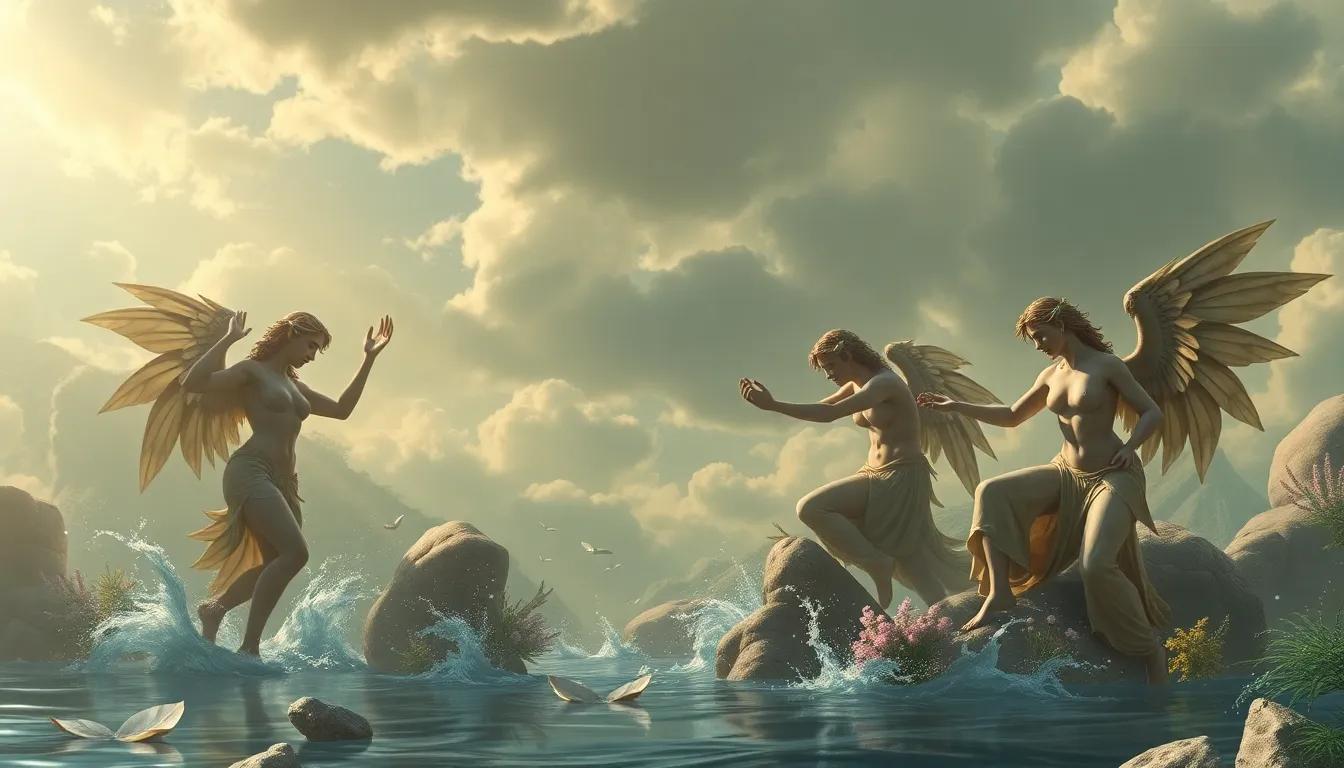
The Trials of the Nymphs: Nature’s Guardians in Peril
I. Introduction to Nymphs: Nature’s Guardians
Nymphs, ethereal beings of Greek mythology, serve as the guardians of nature, embodying the spirit of various natural elements. These enchanting creatures are often depicted as beautiful maidens who inhabit rivers, forests, and mountains, representing the vitality and beauty of the natural world. Their significance in mythology goes beyond mere beauty; they play essential roles in the stories of gods and mortals, symbolizing the harmony between humanity and nature.
Historically, nymphs have been integral in representing different aspects of nature, such as water, trees, and the earth. They are often associated with fertility, growth, and the cycles of life, which makes them pivotal figures in the myths that explain the world around us. This article will explore the trials faced by nymphs today, as they navigate a world increasingly threatened by environmental degradation and climate change.
II. The Mythological Background of Nymphs
Nymphs are classified into several categories based on their habitat and the natural elements they represent. The most notable types include:
- Naiads: Water nymphs who inhabit rivers, springs, and lakes.
- Dryads: Tree nymphs, specifically associated with oak trees, known for their close connection to the forest.
- Oceanids: Nymphs of the ocean, daughters of the sea god Nereus, often depicted as beautiful mermaids.
- Oreads: Mountain nymphs who dwell in the rugged terrains and hills.
Cultural depictions of nymphs are abundant in ancient literature, from the works of Homer to the poetry of Sappho. They are often portrayed as alluring figures who interact with gods and heroes, providing assistance or hindrance based on their moods and the actions of mortals.
The relationship between nymphs and nature is profound; they are seen as the embodiment of the natural world, capable of bestowing blessings or curses depending on how humanity treats their environments. This dynamic is crucial in understanding the challenges faced by nymphs in contemporary society.
III. The Modern-Day Perils Facing Nymphs
In today’s world, nymphs are not just mythical figures; they symbolize the real struggles of nature itself. The following threats illustrate the modern-day perils facing these guardians:
- Environmental degradation: Pollution, deforestation, and habitat destruction have severe impacts on ecosystems that nymphs represent. Water sources become contaminated, forests are razed, and many species face extinction.
- Climate change: Rising temperatures, altered weather patterns, and extreme events pose challenges to the habitats of nymphs. As water levels rise and forests burn, the delicate balance of ecosystems is disrupted.
- Urbanization: The expansion of cities leads to the loss of natural habitats. As humans encroach upon these spaces, nymphs and their realms face significant threats, diminishing their presence in the world.
IV. Symbolism of Nymphs in Contemporary Environmental Movements
Nymphs have transcended their mythological roots to become symbols of ecological balance in contemporary environmental movements. Their imagery is often utilized in various forms of art and literature as a call to action for conservation. Here are some significant aspects:
- Nymphs as symbols of ecological balance: They represent the harmony that can exist between humanity and nature, reminding us of our responsibility to protect the environment.
- Art and literature: Modern writers and artists often draw inspiration from nymph mythology to convey messages about nature’s fragility, using these figures to evoke a sense of urgency in environmental issues.
- Case studies: Various campaigns, such as reforestation efforts and clean water initiatives, utilize the imagery of nymphs to inspire communities to take action and restore natural habitats.
V. The Role of Nymphs in Folklore and Cultural Narratives
Diverse cultures interpret nymphs in unique ways, reflecting their values and beliefs about nature. Folktales often feature nymphs facing trials and tribulations that convey important lessons:
- Interpretations of wisdom: In many cultures, nymphs are seen as wise beings who possess knowledge about the natural world. They often serve as guides for mortals seeking to understand their place within nature.
- Folktales: Stories such as The Nymph and the Shepherd highlight the trials nymphs face from human interference, emphasizing themes of respect for nature and the consequences of exploitation.
- Lessons learned: The challenges faced by nymphs often reflect the larger struggles of humanity, urging people to recognize the interconnectedness of life and the importance of caring for the environment.
VI. The Psychological and Emotional Resonance of Nymphs
Nymphs resonate deeply within the human psyche, representing femininity and the nurturing aspects of nature. Their portrayal evokes a range of emotions and connections:
- Representations of femininity: Nymphs often symbolize the nurturing, life-giving qualities of nature, embodying the essence of fertility and growth.
- Emotional connections: Many people find solace and inspiration in nature, and nymphs serve as a bridge between the human experience and the natural world.
- Fostering environmental empathy: By personifying nature, nymphs help cultivate a sense of empathy towards the environment, encouraging individuals to act in its defense.
VII. The Future of Nymphs: Preservation and Revival
The future of nymphs, as symbols of nature, relies heavily on conservation efforts and the revival of their habitats:
- Initiatives aimed at restoration: Various organizations work to restore natural habitats, promote biodiversity, and protect the ecosystems that nymphs represent.
- Mythological narratives in education: Incorporating the stories of nymphs and their challenges into environmental education can inspire future generations to value and protect nature.
- Community involvement: Local communities can play a significant role in preserving nature’s guardians by engaging in conservation activities, such as tree planting, clean-ups, and wildlife protection.
VIII. Conclusion: A Call to Action for Humanity
The trials of the nymphs serve as a poignant reminder of the fragility of nature and the vital role we all play in its preservation. As guardians of the natural world, nymphs urge humanity to reflect on our impact on the environment and to take action in sustaining the ecosystems that support life.
It is imperative that we embrace our role as stewards of the earth, inspired by the lessons of nymphs and the rich tapestry of mythology that underscores the importance of nature. By fostering a sense of connection with the natural world, we can honor the legacy of nymphs and ensure their stories—and the environments they protect—continue to thrive for generations to come.