The Trials of the Titans: A Clash of Power and Pride
I. Introduction
The Titans of Greek mythology are among the most formidable figures, embodying immense power and pride. They represent a generation of gods who predate the Olympians, and their stories are rich with themes of ambition, conflict, and the consequences of hubris. These ancient deities have captivated the human imagination for centuries, serving as symbols of the struggle between the old and the new, the established and the challengers.
Power and pride are significant elements that shape the narratives of the Titans. Their trials reveal not just their strengths and weaknesses but also reflect the broader human experience. This article aims to explore the key trials and conflicts among the Titans, examining how these themes resonate through their stories and what they teach us about our own nature.
II. Historical Context of Titans
The term “Titan” originates from ancient Greek mythology, specifically from the stories recorded in texts like Hesiod’s “Theogony.” In various cultures, Titans have been defined as primordial beings or deities representing fundamental forces of nature. They were often depicted as giants who held dominion over the earth and the cosmos before the rise of the Olympians.
Over time, the archetype of the Titan evolved. Initially seen as the embodiment of natural and cosmic order, later interpretations depicted them as flawed beings whose pride led to their downfall. Notable Titans include:
- Cronus: The leader of the Titans, known for his fear of being overthrown by his own children.
- Rhea: Wife of Cronus, who played a crucial role in the survival of her son Zeus.
- Prometheus: The Titan known for his intelligence and for stealing fire for humanity.
- Oceanus: The Titan of the ocean, representing the vast and untamed waters.
III. The Essence of Power Among Titans
Power dynamics among the Titans are pivotal in their lore. The struggle for supremacy often leads to conflicts that shape their destinies. Titans like Cronus and Zeus exemplify the relentless pursuit of power, with motivations rooted in fear, ambition, and the desire for control. For instance:
- Cronus’ Fear: His paranoia about being overthrown by his offspring drove him to commit heinous acts, including the swallowing of his children.
- Zeus’ Rebellion: The youngest son of Cronus, Zeus sought to dethrone his father, leading to the epic Titanomachy.
The consequences of these power struggles are profound, resulting in both victories and defeats. The Titanomachy is a prime example, where the Olympians’ triumph over the Titans marked a significant shift in the cosmic order, illustrating the cyclical nature of power: those who rise often fall, and vice versa.
IV. Pride as a Driving Force
Pride is intricately woven into the identities of the Titans, often serving as a catalyst for their actions and decisions. It manifests in various ways, leading to conflicts and ultimately shaping their fates. Some key incidents include:
- The Titanomachy: The pride of the Titans led them to believe they could maintain their reign against the Olympians, resulting in their downfall.
- Prometheus’ Defiance: His pride in defying Zeus for humanity’s sake showcased the complexity of his character and the consequences of challenging the gods.
The interplay between power and pride among Titans illustrates a fundamental truth: unchecked ambition and self-importance can lead to catastrophic outcomes, a lesson that resonates throughout human history.
V. Notable Trials: Case Studies
A. The Titanomachy: The Epic Battle Between Titans and Olympians
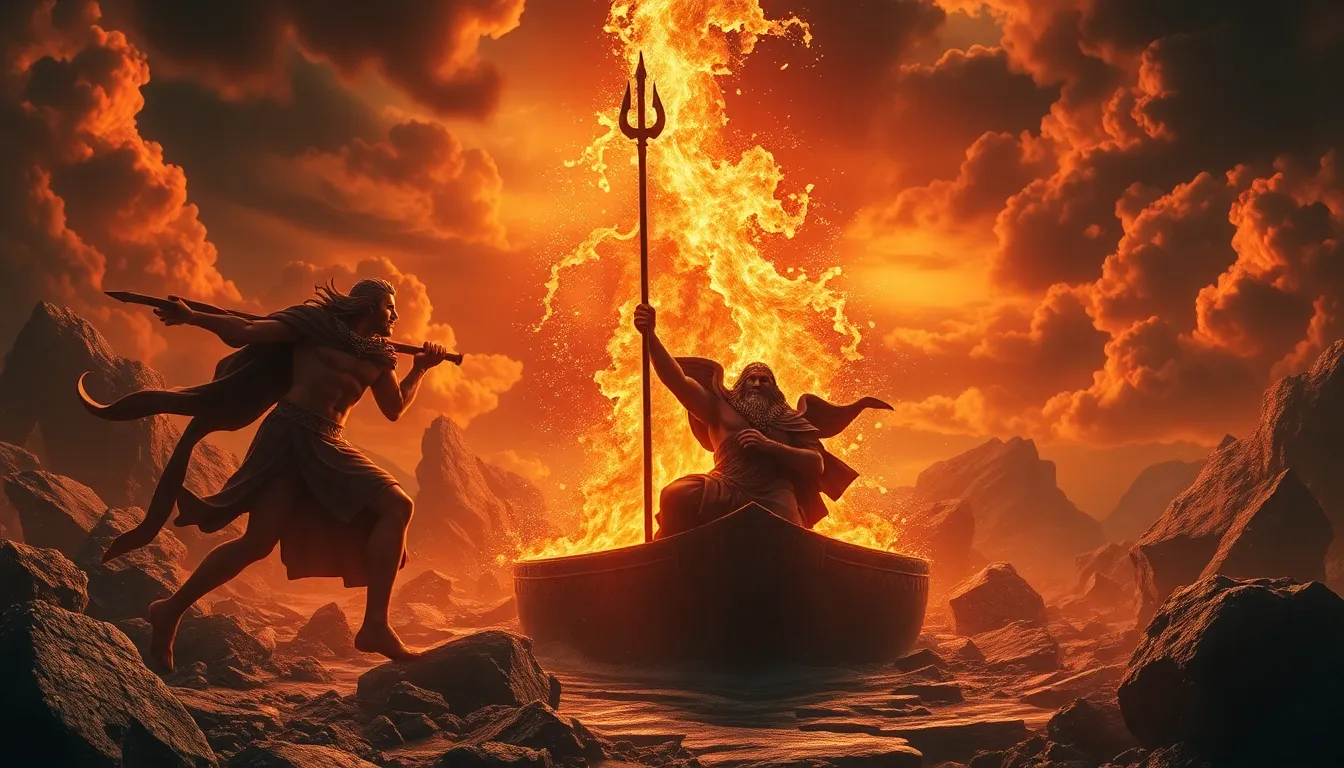
The Titanomachy was a monumental war that pitted the Titans against the Olympians, marking a defining moment in Greek mythology. It spanned ten years, with the Olympians, led by Zeus, ultimately emerging victorious. The war was characterized by epic battles, strategic alliances, and profound betrayals, highlighting the themes of power and pride.
B. Prometheus: The Trial of Defiance and Punishment
Prometheus, the Titan known for his intelligence and wit, faced dire consequences for his defiance against Zeus. He stole fire from the heavens and gifted it to humanity, an act that symbolized enlightenment and progress. However, Zeus punished him severely, chaining him to a rock where an eagle would eat his liver daily—a punishment that regenerated with each night. This trial not only illustrates the conflict between divine authority and individual agency but also raises questions about sacrifice for the greater good.
C. Cronus: The Consequences of Fear and Betrayal
Cronus, in his quest to maintain power, betrayed his own family. His fear of being overthrown led him to swallow his children, a desperate attempt to thwart fate. However, this act of betrayal ultimately led to his downfall, as his son Zeus escaped and rallied the other Olympians against him. Cronus’ story serves as a cautionary tale about the destructive nature of fear and the inevitable consequences of betrayal.
VI. Lessons from the Trials of the Titans
The trials faced by the Titans offer profound insights into human nature and societal power structures. They reflect the eternal struggle between ambition and humility, illustrating that:
- Power can corrupt, leading to destructive behaviors and outcomes.
- Pride, while a source of strength, can also blind individuals to their vulnerabilities and the consequences of their actions.
- The cyclic nature of power reminds us that no one is invincible; those who rise can also fall.
These lessons remain relevant in contemporary contexts, as we navigate complex social dynamics and power hierarchies. The moral and ethical implications of pride and ambition continue to resonate, reminding us of the importance of humility and the need for critical self-reflection.
VII. Modern Interpretations and Adaptations
The portrayal of Titans in literature, film, and art has evolved, reflecting contemporary values and societal issues. Modern media often reinterprets Titan stories, highlighting themes of rebellion, identity, and the consequences of unchecked ambition. Examples include:
- Literature: Novels and graphic novels frequently draw on Titan myths to explore complex characters and moral dilemmas.
- Film: Movies such as “Clash of the Titans” and “Immortals” reimagine these ancient tales, bringing them to life for new audiences.
- Art: Artists continue to depict Titans, using their imagery to comment on modern issues of power and pride.
This ongoing fascination with Titan stories underscores their timeless relevance, providing a framework through which we can examine our own struggles with ambition and authority.
VIII. Conclusion
The trials faced by the Titans serve as powerful narratives that explore the complexities of power and pride. Their stories remind us of the consequences of ambition and the importance of humility in the face of greatness. As we reflect on the legacy of the Titans, we recognize their influence in shaping our understanding of conflict and ambition, lessons that continue to resonate in our lives today.