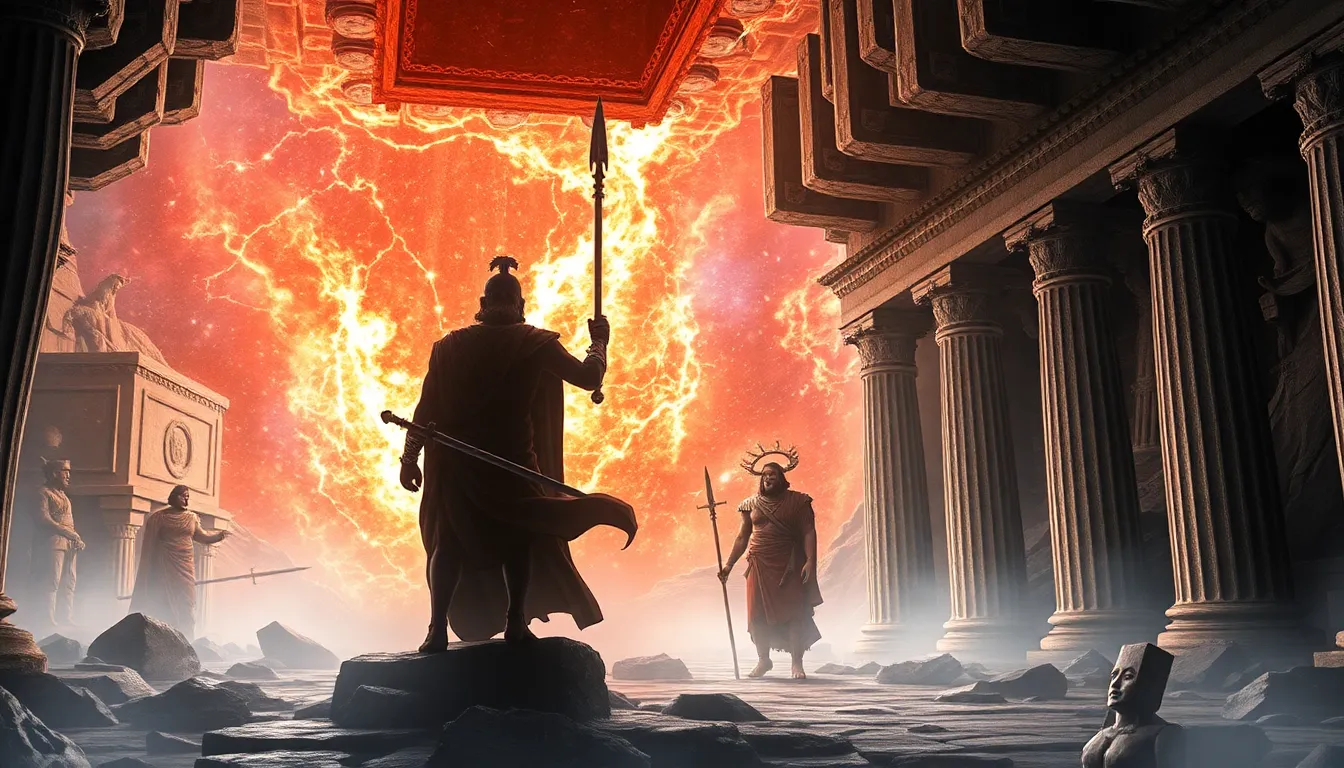
The Trials of the Underworld: Heroes Who Defied Death
I. Introduction
The concept of the Underworld is a fascinating aspect of mythology, representing the realm of the dead and the journey of souls after death. In many cultures, the Underworld serves as a place of trial, judgment, and sometimes redemption. Throughout history, numerous heroes have ventured into this shadowy domain, defying death in their quests and showcasing the resilience of the human spirit.
This article aims to explore the notable figures in mythology who faced the Underworld, their trials, and the lessons learned from their journeys. By delving into these stories, we can gain insight into the significance of confronting death and the enduring legacy of these heroic tales.
II. The Underworld Across Cultures
The Underworld, while often depicted as a dark and foreboding place, varies significantly across different mythologies. Here are a few brief depictions:
- Greek Mythology: The Underworld is ruled by Hades and is divided into various regions, including the Elysian Fields for the virtuous and Tartarus for the wicked.
- Egyptian Mythology: The Underworld is known as Duat, where the deceased undergo trial by Osiris, the god of the afterlife, determining their fate based on the weighing of the heart against a feather.
- Norse Mythology: Hel, ruled by the goddess of the same name, is where those who did not die a heroic death go, characterized by a cold and dreary existence.
Common themes across these mythologies include the journey of the soul, trials faced by heroes, and the potential for resurrection or rebirth. Trials often serve as a means to test the hero’s strength, character, and resolve in the face of death.
III. Orpheus: The Poet Who Charmed Death
One of the most poignant stories of the Underworld is that of Orpheus, a legendary musician whose love for his wife, Eurydice, led him on a quest to the realm of the dead. After Eurydice’s untimely demise, Orpheus descended into the Underworld, armed with his lyre, determined to bring her back to life.
Orpheus’s music had the power to charm all creatures, including the stern guardians of the Underworld. His heartfelt melodies softened the hearts of Hades and Persephone, who granted him permission to take Eurydice back to the living world on one condition: he must not look back at her until they had both reached the surface.
Tragically, Orpheus succumbed to doubt and turned to gaze at Eurydice, causing her to vanish forever. This story encapsulates themes of love, loss, and the fragility of hope. The lesson learned from Orpheus’s failure is profound: trust and faith are essential in the face of uncertainty.
IV. Hercules: The Twelve Labors and the Underworld
Hercules, one of the most renowned heroes in Greek mythology, faced his own trials that included a descent into the Underworld. As part of his Twelve Labors, he was tasked with fetching the three-headed dog Cerberus from Hades. This labor not only tested his strength but also his courage in confronting death and the unknown.
During his journey, Hercules encountered several notable figures, including the souls of the deceased heroes and the tormented. His ability to navigate the Underworld illustrated themes of redemption and the strength of the human spirit in overcoming dire challenges. Hercules’s descent was not merely a physical journey but also a metaphorical one, representing the struggles we all face in confronting our fears and the inevitability of death.
V. Inanna: The Queen of the Underworld
The Sumerian goddess Inanna, also known as Ishtar, embarked on a daring journey to the Underworld, driven by her desire for power and knowledge. Her descent was not without consequence; Inanna had to confront her sister Ereshkigal, the queen of the Underworld, who held dominion over death.
Inanna’s journey is transformative. Upon entering the Underworld, she is stripped of her divine garments and power, symbolizing the vulnerability of all beings before death. However, her eventual return signifies rebirth and the cyclical nature of life and death. This myth highlights the implications of Inanna’s journey for the earth, as her return brings fertility and life back to the world.
VI. Theseus and Pirithous: The Attempt to Rescue Persephone
The story of Theseus and Pirithous is a cautionary tale about the limits of heroism and loyalty. The two friends, in their quest to rescue Persephone from the Underworld, sought to challenge the authority of Hades. Their journey, however, was ill-fated; they were trapped in the Underworld, unable to escape the wrath of the god of the dead.
This myth illustrates the consequences of overstepping boundaries and the dangers of underestimating the power of death. While loyalty and bravery are commendable traits, the story serves as a reminder that some realms should remain untouched by mortal hands. Theseus and Pirithous’s fate prompts reflection on the nature of friendship and the limits of heroism in the face of inevitable mortality.
VII. Modern Interpretations of Underworld Trials
In contemporary literature and media, the trials of heroes who defy death continue to resonate with audiences. These ancient stories are often reimagined in various forms, from novels to films, reflecting modern themes of resilience, courage, and the human experience.
- Literature: Authors often draw parallels between ancient myths and contemporary struggles, exploring the themes of loss, redemption, and the quest for meaning.
- Film and Television: Adaptations of mythological tales, such as those featuring Orpheus or Hercules, emphasize the timelessness of these narratives and their relevance to modern audiences.
- Video Games: Many games feature quests that involve navigating the Underworld, allowing players to engage with these myths in interactive ways.
The enduring appeal of these heroes lies in their ability to confront death and emerge transformed, offering lessons on resilience and the human spirit’s capacity to endure. They serve as symbols of hope, encouraging individuals to face their own trials with courage.
VIII. Conclusion
The trials of the Underworld are rich with meaning, illustrating the significance of facing death and the challenges that come with it. Through the stories of Orpheus, Hercules, Inanna, and others, we learn valuable lessons about love, strength, loyalty, and the transformative power of hardship.
These myths remind us that the journey into the Underworld is not merely about death but also about life, growth, and the pursuit of understanding. As we reflect on these timeless tales, we recognize their legacy in today’s culture, where the themes of resilience and courage continue to inspire us to confront our fears and embrace the complexities of life and death.