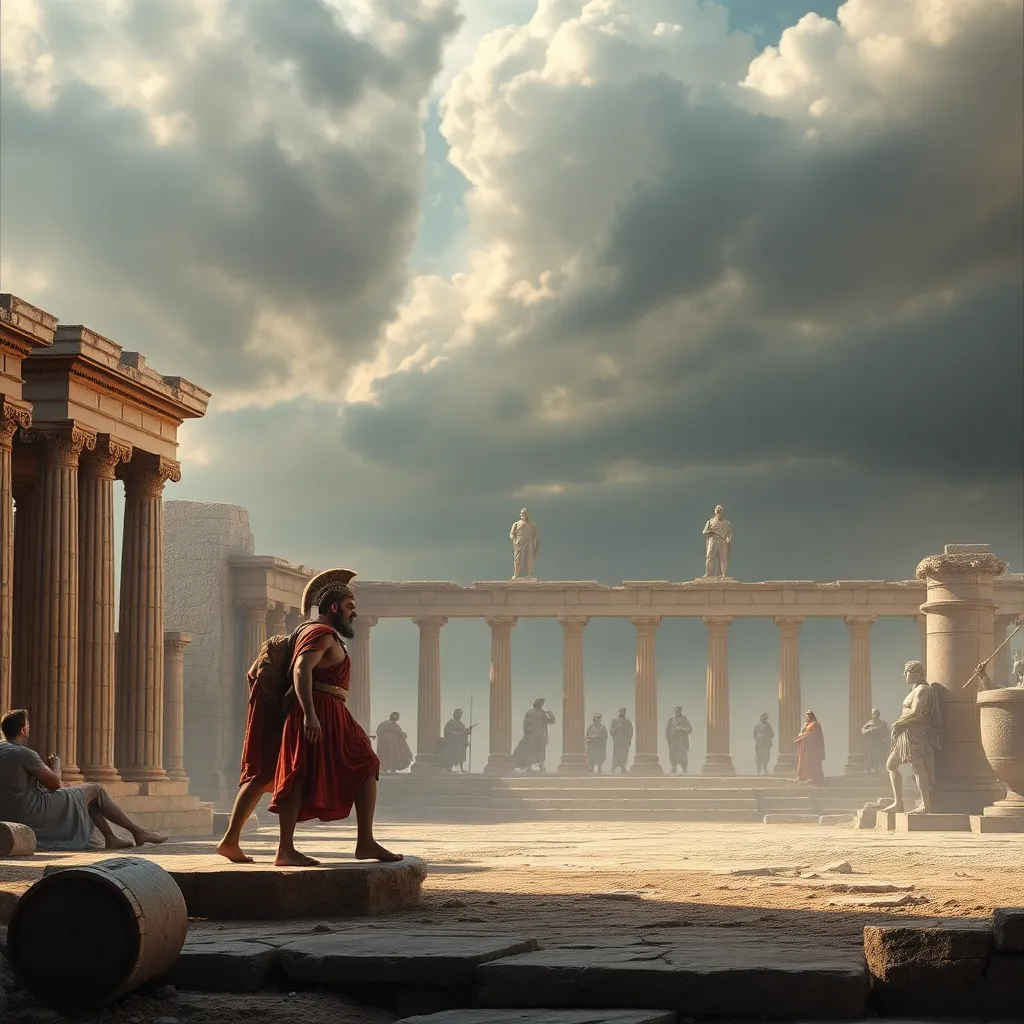
The Trojan War and Its Depiction in Ancient Greek Theater
I. Introduction to the Trojan War
The Trojan War stands as one of the most significant events in ancient Greek mythology, encapsulating themes of heroism, love, betrayal, and the consequences of war. This legendary conflict not only shaped the narratives of Greek literature but also provided a rich tapestry for the exploration of human emotions and societal values.
Key figures such as Achilles, Hector, and Helen of Troy play pivotal roles in the war’s unfolding, each contributing to the rich narrative that has inspired countless works of art and literature. The impact of the Trojan War extends far beyond its mythological origins, influencing Greek culture and the arts for centuries.
II. The Origins of the Trojan War
The mythological backstory of the Trojan War begins with the Judgment of Paris, a tale of beauty and rivalry among the gods.
- The Judgment of Paris: Paris, a Trojan prince, was chosen to judge a beauty contest between Hera, Athena, and Aphrodite. He awarded the golden apple to Aphrodite, who promised him the love of the most beautiful mortal woman, Helen.
- Key Alliances: The war was fueled by alliances formed by various Greek city-states, united under Agamemnon’s leadership, as they sought to retrieve Helen from Troy.
- Divine Intervention: The gods played a crucial role, often intervening in human affairs, influencing the outcomes of battles and the fates of individuals.
III. Major Themes of the Trojan War
The Trojan War is rich with themes that resonate through time, illustrating the complexities of human nature and society.
- Heroism and Honor: The valor of warriors like Achilles and Hector exemplifies the Greek ideals of heroism and the importance of honor in battle.
- Pride and Hubris: The consequences of pride are highlighted through the characters’ decisions, particularly in Achilles’ conflict with Agamemnon.
- Fate versus Free Will: Many characters grapple with their destinies, raising questions about the extent of human agency in the face of predetermined fate.
IV. Key Works in Ancient Greek Theater Depicting the Trojan War
The Trojan War has been immortalized in various key works of ancient Greek theater, each offering a unique perspective on the events and their repercussions.
- Homer’s “Iliad”: This epic poem is foundational to the understanding of the Trojan War, focusing on the wrath of Achilles and the themes of honor and mortality.
- Euripides’ “The Women of Troy”: This tragedy explores the suffering of women after the war, highlighting the human cost of conflict and the plight of the defeated.
- Aeschylus’ “Agamemnon”: Part of the Oresteia trilogy, this play delves into themes of vengeance and justice, showcasing the consequences of the war on the family of its leaders.
V. Character Analysis of Major Figures
Central to the narratives of the Trojan War are its iconic characters, each embodying distinct virtues and flaws.
- Achilles: The archetype of the tragic hero, Achilles is characterized by his unparalleled strength and his deep-seated rage, which ultimately leads to his downfall.
- Hector: As the embodiment of duty and honor, Hector fights bravely for his family and city, representing the noble aspects of warfare.
- Helen of Troy: Often seen as a figure of beauty and blame, Helen’s role raises questions about agency and the consequences of desire.
VI. The Role of Women in the Trojan War Narratives
Women in the Trojan War narratives provide critical perspectives on the impact of war, often highlighting their suffering and resilience.
- Female Characters: Figures such as Andromache and Cassandra offer insights into the experiences of women caught in the throes of conflict.
- Impact on Families: The narratives underscore the devastating effects of war on women and families, illustrating loss and trauma.
- Agency and Victimhood: The portrayal of women ranges from powerful figures to victims of circumstance, reflecting the complexities of their roles in society.
VII. Theatrical Techniques and Innovations
Ancient Greek theater employed various techniques to enhance the storytelling of the Trojan War.
- Use of Chorus: The chorus served as a narrative device, providing commentary, emotional depth, and context to the unfolding drama.
- Staging and Visuals: Staging innovations, including masks and elaborate sets, helped convey the grandeur and tragedy of the war.
- Music and Performance: The integration of music heightened the emotional impact, engaging the audience and enhancing the overall experience.
VIII. The Enduring Legacy of the Trojan War in Theater
The legacy of the Trojan War continues to resonate in literature and theater, influencing generations of writers and thinkers.
- Influence on Later Works: The themes and characters of the Trojan War have inspired countless adaptations and reinterpretations in literature and theater.
- Contemporary Relevance: The discussions surrounding the ethics of war, heroism, and human suffering remain pertinent in today’s society.
- Conclusion: The narrative of the Trojan War, with its timeless exploration of human nature, continues to captivate audiences, making it a cornerstone of cultural and theatrical heritage.