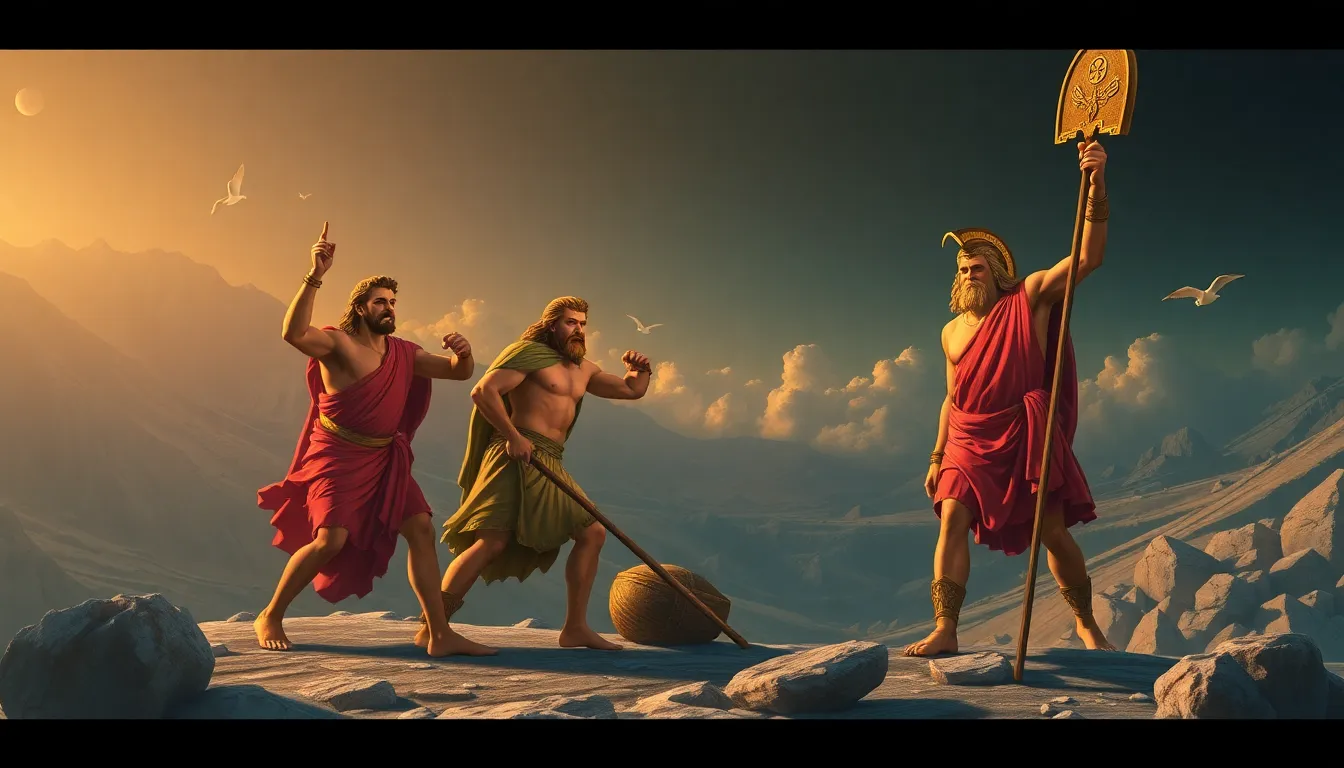
The Twelve Labors of Hercules: Athenian Connections Explored
I. Introduction
The Twelve Labors of Hercules, a central theme in Greek mythology, narrates the heroic feats of Hercules, the son of Zeus, as he undertakes a series of challenges imposed upon him. These labors not only showcase his immense strength and bravery but also reflect the values and cultural identity of ancient Greece, particularly Athens.
The significance of Athenian connections in the myth of Hercules is profound. Athens, known for its rich cultural heritage and political power, adapted the myth to reflect its ideals of heroism, civic duty, and the struggle against chaos. This article aims to explore the historical context of Hercules in Athenian culture, summarize the Twelve Labors, and delve into specific labors that illustrate the Athenian connection to these enduring myths.
II. Historical Context of Hercules in Athenian Culture
Hercules, or Heracles as he is known in Greek mythology, occupies a pivotal role as a symbol of strength and perseverance. His adventures resonate deeply within the fabric of ancient Greek mythology, serving as a narrative of the human condition and the quest for redemption.
Athenian adaptations of Hercules’ myth often emphasized his dual nature as a hero and a flawed individual. Unlike other heroes who were often depicted as divine or invincible, Hercules’ struggles, both physical and emotional, made him relatable to the common citizen of Athens.
- Role in Society: Hercules was worshipped as a protector of cities and as a symbol of athletic prowess, linking him closely to Athenian values of strength and civic responsibility.
- Religious Significance: Various festivals in Athens, such as the Heracleia, celebrated Hercules, illustrating his importance in Athenian religious life.
III. The Twelve Labors: A Summary
The Twelve Labors of Hercules are a series of tasks that he was required to complete as penance for a crime. Each labor reflects not only his strength and heroism but also the themes of struggle, sacrifice, and the pursuit of excellence. Below is a brief summary of each labor:
- The Nemean Lion: Slay the invulnerable lion and bring back its skin.
- The Lernaean Hydra: Slay the multi-headed serpent and prevent its regrowth.
- The Ceryneian Hind: Capture the sacred deer of Artemis.
- The Erymanthian Boar: Capture the giant boar alive.
- The Augean Stables: Clean the stables in a single day.
- The Stymphalian Birds: Drive away the man-eating birds.
- The Cretan Bull: Capture the bull that terrorized Crete.
- The Mares of Diomedes: Steal the man-eating horses.
- The Girdle of Hippolyta: Retrieve the belt of the Amazon queen.
- The Cattle of Geryon: Retrieve the cattle from the three-bodied giant.
- The Apples of the Hesperides: Steal the golden apples guarded by a dragon.
- The Cerberus: Capture the three-headed dog from the Underworld.
Each labor encapsulates themes of bravery, cleverness, and the confrontation of moral and physical challenges, aligning closely with Athenian ideals of heroism and citizenship.
IV. The Nemean Lion: A Symbol of Strength
The first labor, the Nemean Lion, is particularly significant as it showcases Hercules’ strength and ingenuity. The lion, with its impenetrable skin, represents not only a formidable foe but also the challenges faced by citizens of Athens.
Athenian representations of the Nemean Lion can be found in various forms of art, including pottery and sculpture. These depictions often highlight Hercules’ triumph over the beast, symbolizing the victory of civilization over chaos.
- Artistic Representations: The lion is frequently depicted in Athenian pottery, serving as a reminder of Hercules’ strength and the virtues of bravery and perseverance.
- Literary References: Plays and poems often reference the lion as a metaphor for overcoming personal and societal challenges.
The impact of the Nemean Lion on Athenian identity is profound; it represents the ideals of heroism and resilience that were cherished in Athenian culture, inspiring citizens to confront their own challenges with courage and determination.
V. The Lernaean Hydra: Confronting Chaos
The Lernaean Hydra represents chaos and the seemingly insurmountable challenges that can arise in life. Athenian interpretations of this multi-headed creature highlight the complexity of governance and the challenges faced by the city-state.
The symbolism of the Hydra extends beyond mere physical combat; it reflects the political struggles within Athens. Just as Hercules had to strategize to defeat the Hydra by cauterizing its necks to prevent regeneration, so too did Athenian leaders need to confront and manage the multifaceted challenges of their society.
- Political Symbolism: The Hydra’s multiple heads are often viewed as a metaphor for the various factions and challenges that Athenian democracy had to navigate.
- Resilience and Strategy: Hercules’ victory over the Hydra emphasizes the importance of resilience and strategic thinking in overcoming obstacles.
This labor shaped Athenian resilience, reminding citizens that while challenges may seem overwhelming, with cleverness and determination, they can be overcome.
VI. The Ceryneian Hind: Pursuit and Sacrifice
The Ceryneian Hind, a sacred creature of Artemis, represents the themes of pursuit and sacrifice. In Athenian religious practices, the Hind was a symbol of the divine and the connection between humanity and nature.
The pursuit of the Hind in the labor reflects Athenian values of dedication and respect for the natural world. Representations of this labor in Athenian art often depict Hercules in a graceful chase, symbolizing the balance between human ambition and the sanctity of nature.
- Religious Importance: The Hind’s capture and subsequent release back to Artemis emphasize the respect for the divine and the cyclical nature of life.
- Artistic Depictions: These artworks often illustrate the beauty of nature, reflecting Athenian appreciation for the environment.
The relationship between humans and nature, as depicted in this labor, encourages Athenian citizens to pursue their goals while being mindful of their impact on the world around them.
VII. The Erymanthian Boar and Athenian Heroism
The Erymanthian Boar symbolizes the struggles faced by Athenians, particularly in the context of military valor and the challenges of civic duty. Capturing the boar alive required not only strength but also strategic planning, reflecting the duality of Athenian heroism.
Athenian literature often portrays hunting as a noble pursuit, emphasizing the skills necessary for survival and the valor associated with it. The boar, as a formidable opponent, serves as a metaphor for the struggles Athenians encountered in their pursuit of greatness.
- Metaphor for Struggles: The boar’s fierce nature represents the external and internal battles faced by Athenian citizens.
- Military Valor: The portrayal of hunting in Athenian literature underscores the significance of bravery and skill in both hunting and warfare.
The Erymanthian Boar, therefore, embodies the spirit of Athenian heroism, urging citizens to confront their fears and challenges with courage and determination.
VIII. Conclusion
In exploring the Twelve Labors of Hercules, we uncover the profound Athenian connections that enrich these myths. From the Nemean Lion to the Erymanthian Boar, each labor reflects the values of strength, resilience, and civic duty that were central to Athenian identity.
The enduring legacy of Hercules in Athenian culture serves as a reminder of the timeless nature of these myths and their relevance to contemporary society. The stories of Hercules encourage us to confront our challenges, embrace our strengths, and recognize the importance of community and individual responsibility.