Unlocking the Secrets: What Mythological Symbols Reveal About Ancient Greek Culture
I. Introduction
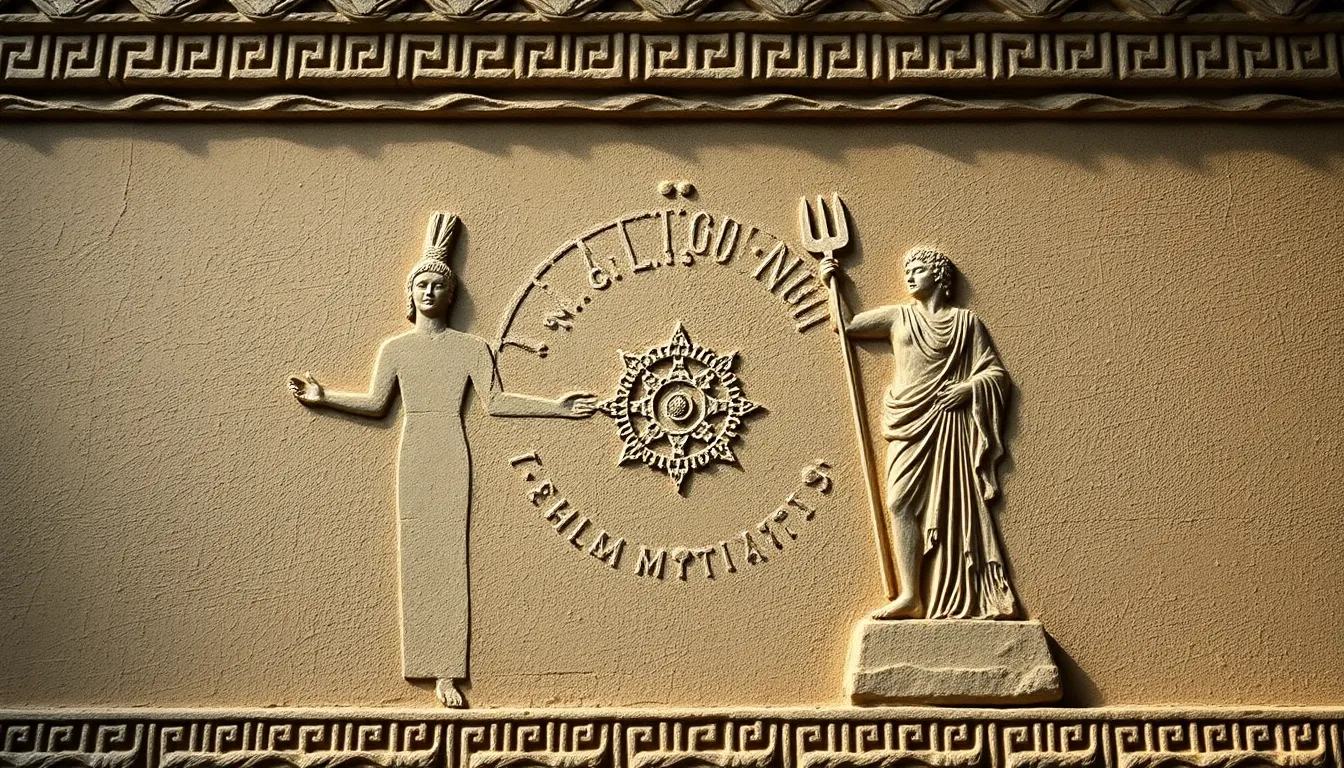
Mythological symbols in ancient Greek culture serve as powerful conduits to understanding the values, beliefs, and experiences of a civilization that has profoundly influenced Western thought. These symbols encapsulate complex ideas and narratives that reflect the collective psyche of the Greeks and their worldview.
Understanding these symbols is essential for gaining insights into the cultural, social, and historical contexts of ancient Greece. They not only provide a glimpse into the ancient Greeks’ understanding of the cosmos but also reveal their views on morality, human behavior, and the divine.
This article will explore the role of mythology in ancient Greek society, examine key mythological symbols and their meanings, analyze their manifestations in art and literature, and discuss their ongoing relevance in modern culture.
II. The Role of Mythology in Ancient Greek Society
Mythology in ancient Greece was not merely a collection of stories but an integral part of everyday life. It provided a framework through which the Greeks made sense of the world around them.
A. Definition and significance of mythology in daily life
Mythology encompassed tales of gods, heroes, and mythical creatures, which were essential in explaining the origins of the world, natural phenomena, and human experiences. These narratives helped individuals and communities understand their place in the universe.
B. Mythology as a means of explaining natural phenomena and human experience
For example, the changing of seasons was often attributed to the myth of Demeter and Persephone, illustrating the Greeks’ efforts to comprehend agricultural cycles through myth. Similarly, the tales of heroes like Hercules embodied the struggles and virtues valued by society.
C. The intersection of mythology and religion
Religion and mythology were deeply intertwined, with myths serving as the foundation for religious beliefs and rituals. Festivals, sacrifices, and oracles were all influenced by mythological traditions, reinforcing the significance of these stories in societal practices.
III. Key Mythological Symbols and Their Meanings
Various symbols emerged from Greek mythology, each imbued with meaning and significance that resonated with the culture.
A. The Olive Tree: Peace and Prosperity
The olive tree, sacred to Athena, symbolizes peace, prosperity, and abundance. It was a crucial resource for the ancient Greeks, providing olives for food, oil for lighting, and wood for construction. Its significance extends beyond the practical, representing the ideals of harmony and prosperity in society.
B. The Labyrinth and the Minotaur: Complexity of Human Nature
The labyrinth, home to the Minotaur, represents the complexity and duality of human nature. The Minotaur, a creature that is both man and beast, embodies the struggle between civilization and chaos, reason and instinct. This symbol invites reflection on the intricate nature of human identity and morality.
C. The Laurel Wreath: Victory and Honor
The laurel wreath, awarded to victors in athletic competitions and military commanders, symbolizes triumph and honor. It is a representation of achievement and glory, reflecting the Greek admiration for excellence in both physical and intellectual pursuits.
IV. Mythological Symbols in Art and Architecture
The influence of mythology extends into the realm of art and architecture, where symbols are repeatedly depicted, reinforcing their cultural significance.
A. Depictions of gods and mythical creatures in pottery and sculpture
Ancient Greek pottery often featured painted scenes from mythology, illustrating stories of gods such as Zeus, Athena, and Dionysus. Sculptures of deities adorned temples, creating a visual narrative that celebrated the divine and mythological.
B. Architectural elements inspired by mythology (e.g., temples, columns)
Greek temples, such as the Parthenon dedicated to Athena, were designed with intricate details that reflected mythological themes. The use of columns and friezes often depicted mythological scenes, serving both a decorative and a narrative purpose.
C. How art reflects societal values and beliefs
The art of ancient Greece reflects the values of beauty, heroism, and the divine. It underscores the importance of mythology in articulating cultural ideals and the human experience.
V. The Influence of Mythological Symbols on Literature
Mythological symbols have profoundly impacted literature, shaping narratives from epic poetry to drama.
A. Epic poetry and the use of symbols (e.g., The Iliad and The Odyssey)
In works like Homer’s “The Iliad” and “The Odyssey,” mythological symbols are woven into the fabric of the narrative. Themes of heroism, fate, and the divine play out through characters that embody these symbols, offering moral lessons and reflections on human nature.
B. Symbolism in playwrights’ works (e.g., Sophocles, Euripides)
Tragedies by playwrights such as Sophocles and Euripides frequently explored mythological themes, using symbols to delve into complex moral dilemmas and human emotions. The fate of characters often mirrors the consequences of their actions, echoing the moral teachings embedded in mythology.
C. The legacy of mythological references in contemporary literature
The legacy of Greek mythology persists in contemporary literature, where authors draw upon mythological symbols to enhance their narratives. The themes of love, betrayal, and heroism continue to resonate, as modern writers reinterpret these ancient stories for new audiences.
VI. Mythological Symbols and Societal Values
Mythological symbols also serve as reflections of societal values, revealing the virtues and dynamics that shaped ancient Greek culture.
A. Exploration of virtues such as bravery, wisdom, and justice
Mythology often extolled virtues such as bravery and wisdom, with heroes embodying these ideals. Figures like Odysseus exemplified cunning and intelligence, while warriors like Achilles represented physical prowess and honor.
B. The role of female symbols in expressing gender dynamics
Female deities such as Athena and Artemis represented various aspects of femininity, from wisdom to independence. Their stories often reflect the complexities of gender roles in ancient Greek society, illustrating both empowerment and subjugation.
C. How symbols reflect social hierarchies and power structures
Mythological narratives often highlight social hierarchies, with gods and heroes embodying power dynamics. The stories of divine retribution and justice reveal societal anxieties regarding authority, morality, and the consequences of hubris.
VII. The Modern Relevance of Ancient Greek Mythological Symbols
Ancient Greek mythological symbols continue to resonate in modern culture, influencing various aspects of contemporary life.
A. Continuing influence in modern culture and media
From films to literature, the symbols and stories of Greek mythology have been adapted and reinterpreted. Movies like “Clash of the Titans” and “Percy Jackson” reflect the enduring fascination with these ancient tales.
B. Adaptations and reinterpretations in contemporary storytelling
Contemporary authors and creators draw from mythological themes to explore modern issues. The reinterpretation of myths allows for a dialogue between ancient and modern values.
C. Symbolism in modern political and social movements
Mythological symbols are often invoked in political discourse and social movements, where they serve as metaphors for justice, resistance, and identity. The stories of ancient heroes and deities continue to inspire contemporary activism.
VIII. Conclusion
In summary, mythological symbols offer profound insights into the values and beliefs of ancient Greek culture. They provide a window into the human experience, reflecting societal norms, aspirations, and fears.
The enduring legacy of these symbols is evident in their continued relevance in modern culture, demonstrating the timeless nature of mythology in understanding the complexities of human life.
Ultimately, the study of Greek mythology is not just an exploration of ancient tales but a journey into the heart of human culture, revealing the shared narratives that connect us across time and space.